Can HVAC Air Duct Cleaning Remove Black Mold?
HVAC duct cleaning removes dust, debris, and mold spores from ductwork and improves air quality, but it does not promise lasting removal on its own. Mold returns when the underlying moisture problem stays unaddressed, so cleaning works best as one part of a broader plan that also fixes moisture and checks the extent of growth.
HVAC air duct cleaning can significantly help in removing black mold, but it may not guarantee permanent removal. For homeowners in Newark, understanding the nuances of this process is essential for effective mold management.
This article explores how HVAC cleaning affects black mold removal, the effectiveness of air duct cleaning in Newark, common mistakes to avoid, and when to call a professional.
| Approach | What it does | What it leaves undone |
|---|---|---|
| Duct cleaning alone | Removes dust, debris, and mold spores from ducts | Leaves the moisture source in place, so mold can return |
| Cleaning plus moisture control | Removes spores and fixes leaks, controls humidity, and checks systems | Needs regular inspections to stay effective |
Understanding Black Mold and HVAC Systems
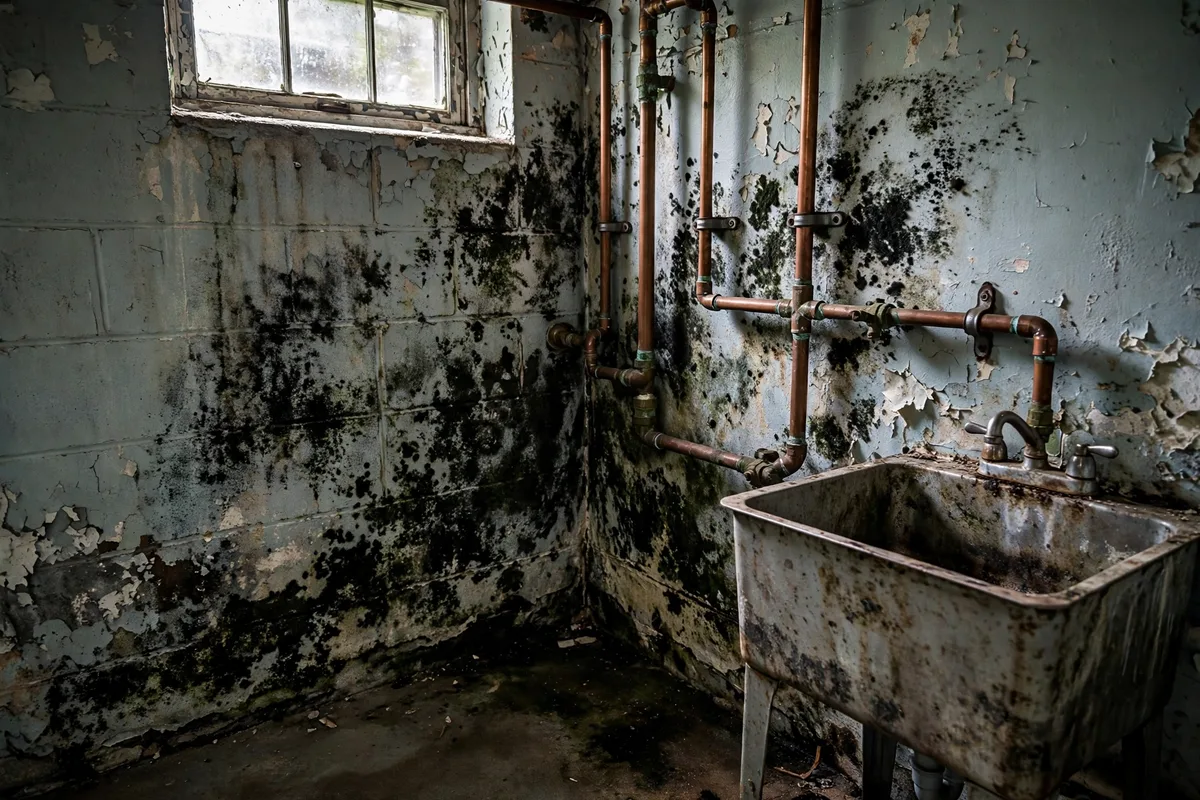
Black mold is a type of fungus that thrives in damp, humid environments, often found in poorly ventilated spaces. When it comes to HVAC systems, black mold can develop in the ductwork, leading to poor air quality and potential health issues.
Can HVAC Air Duct Cleaning Remove Black Mold?
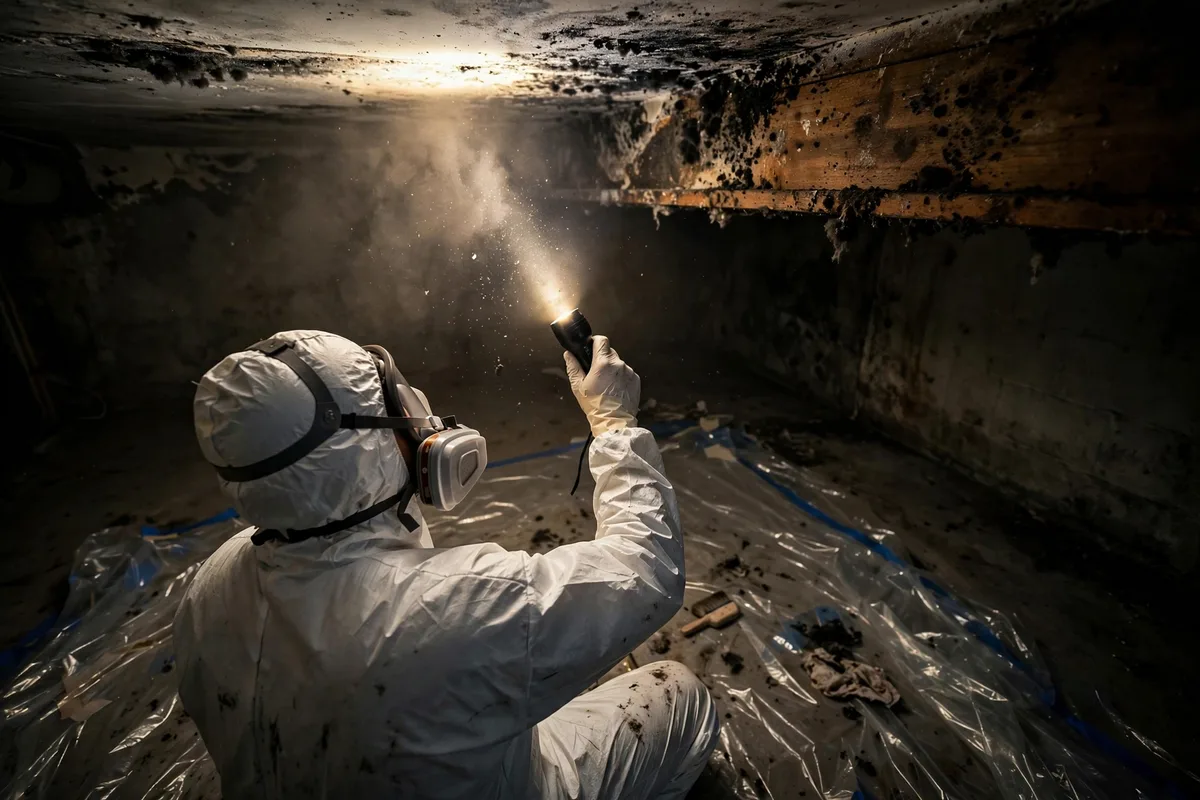
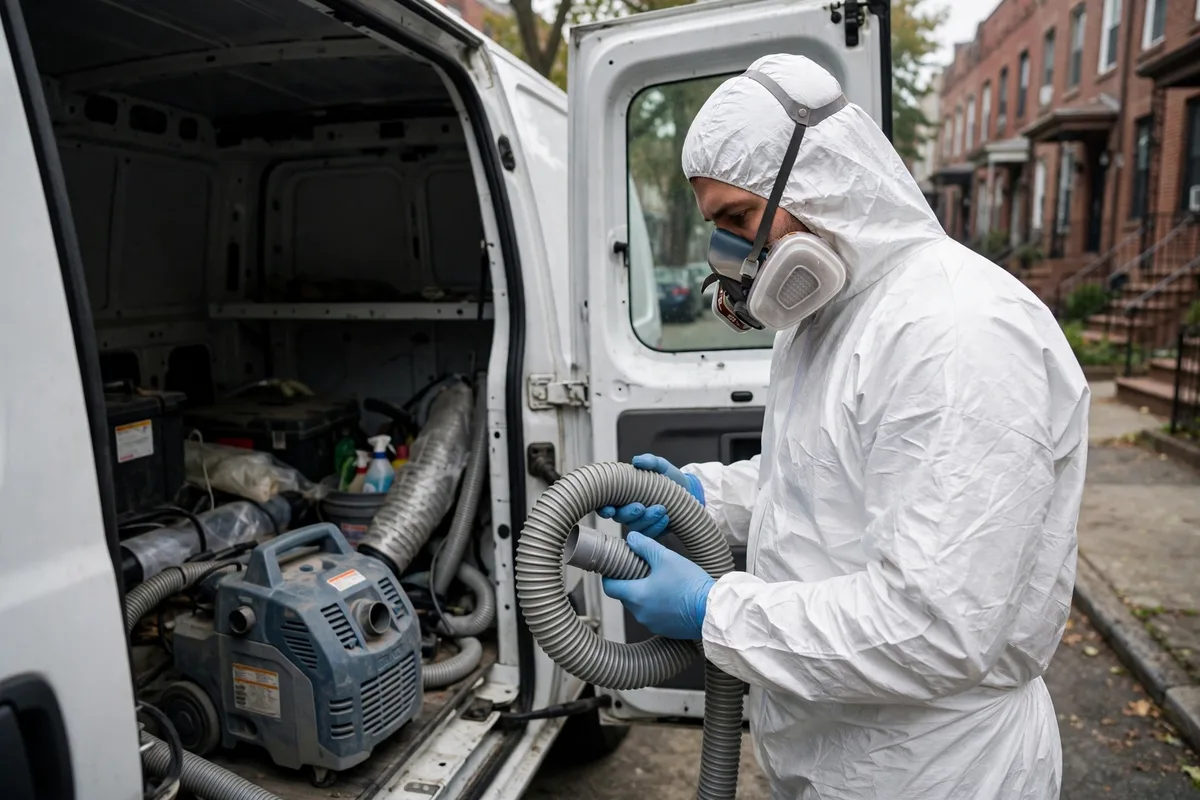
Yes, HVAC air duct cleaning can help remove black mold, but it isn't always a permanent solution. The cleaning process involves removing dust, debris, and mold spores from the air ducts, which can improve air quality. However, if the underlying moisture issue isn't addressed, mold can return.
Effectiveness of Air Duct Cleaning for Mold Removal in Newark
In Newark, the effectiveness of air duct cleaning for mold removal largely depends on the extent of the mold infestation and the moisture levels in the home. Regular cleaning can help, but it should be part of a broader strategy that includes:
- Identifying and fixing leaks or sources of moisture
- Using dehumidifiers to control humidity levels
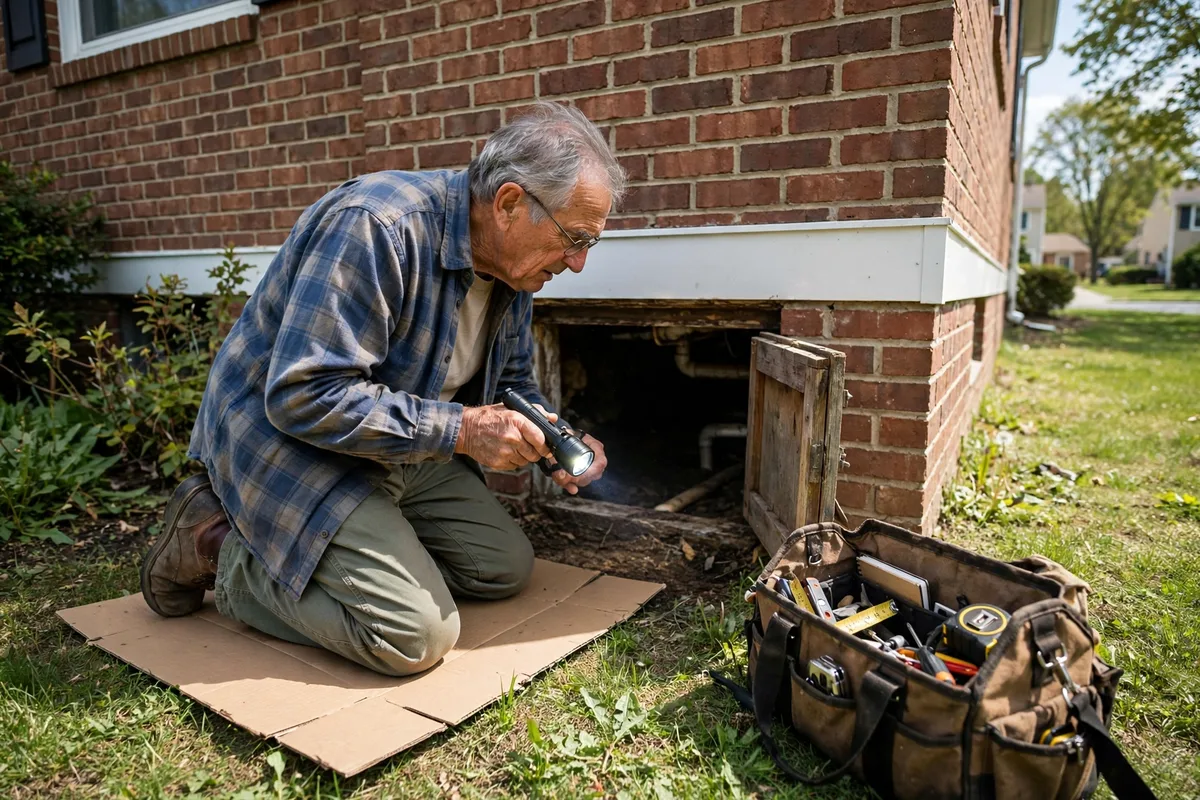
- Conducting regular inspections of HVAC systems
For effective black mold removal Newark NJ, consider hiring professionals who can assess your specific situation.
Common Mistakes in HVAC Maintenance
Homeowners in Newark often make several mistakes in HVAC maintenance that can contribute to mold growth:
- Neglecting regular inspections and cleaning of air ducts
- Ignoring signs of moisture or leaks in the system
- Failing to change air filters regularly
These oversights can lead to a buildup of mold and other contaminants in your HVAC system, making air duct cleaning less effective.
When to Call a Professional
It's important to call a professional when you suspect a significant mold problem in your HVAC system. Signs include:
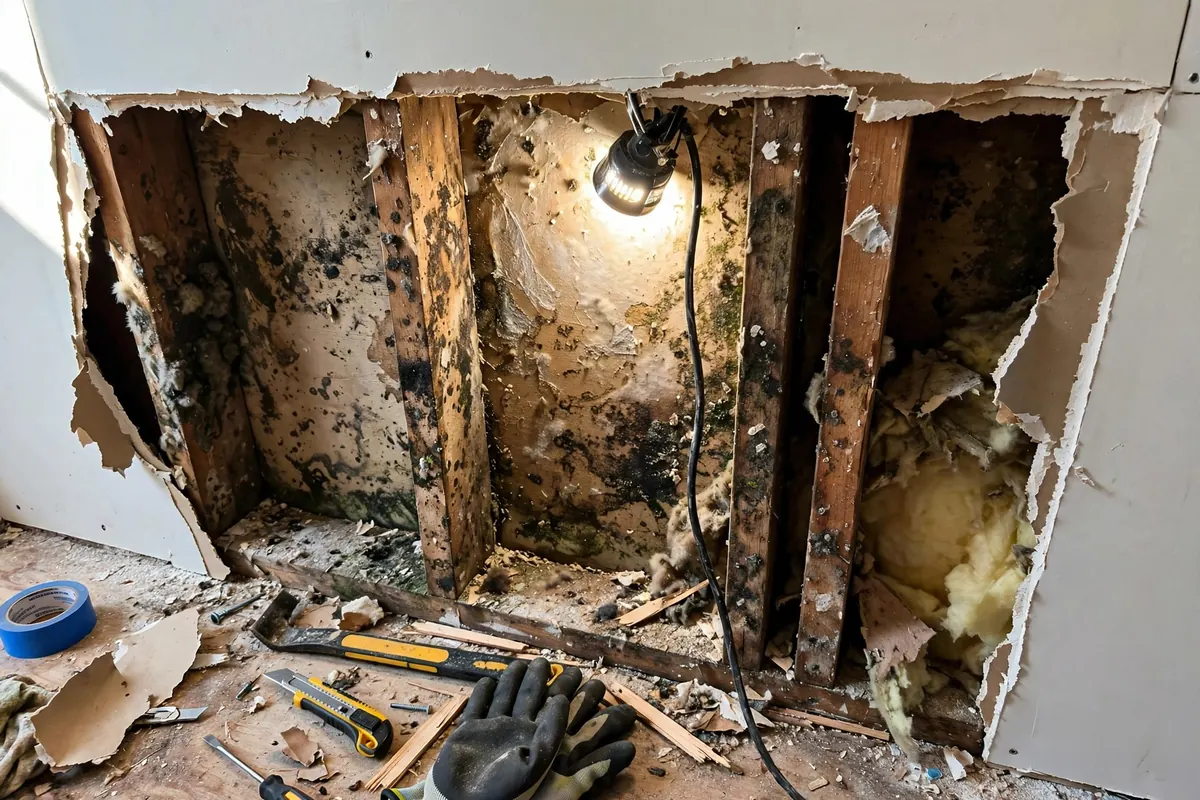
- Visible mold growth in or around the air ducts
- Musty odors when the HVAC system is running
- Frequent respiratory issues among household members
Elite Mold Experts can provide complete assessments and specialized services for HVAC & Air Duct Mold Removal Newark NJ, ensuring that the issue is effectively addressed.
The same duct and moisture story shows up for homeowners in Hillside, Irvington, and East Orange, and each town page walks through its local housing and weather.