Difference Between Mold Inspection and Mold Testing Explained
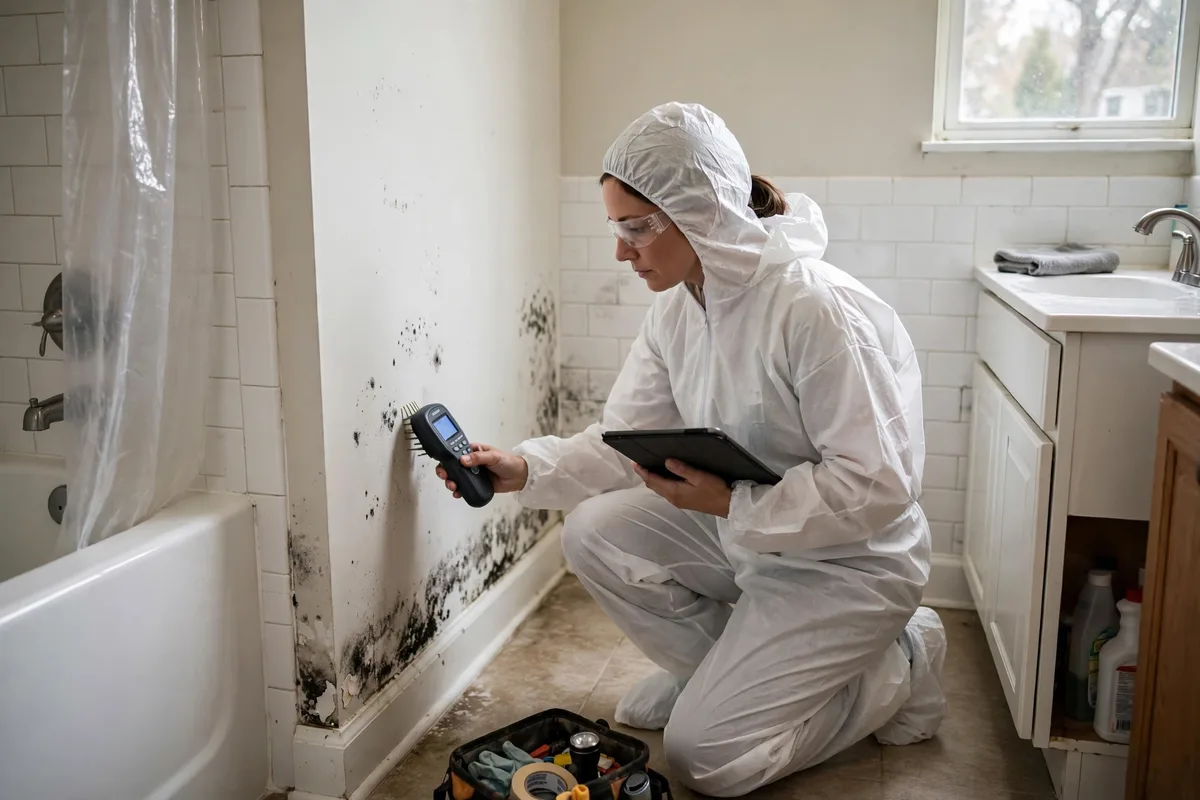
An inspection and testing serve different purposes, and an inspection usually comes first. An inspection walks the property to find visible mold, moisture problems, and likely sources, while testing sends air or surface samples to a lab to identify what is growing; testing helps when mold is suspected but not visible, or when data should support the next steps.
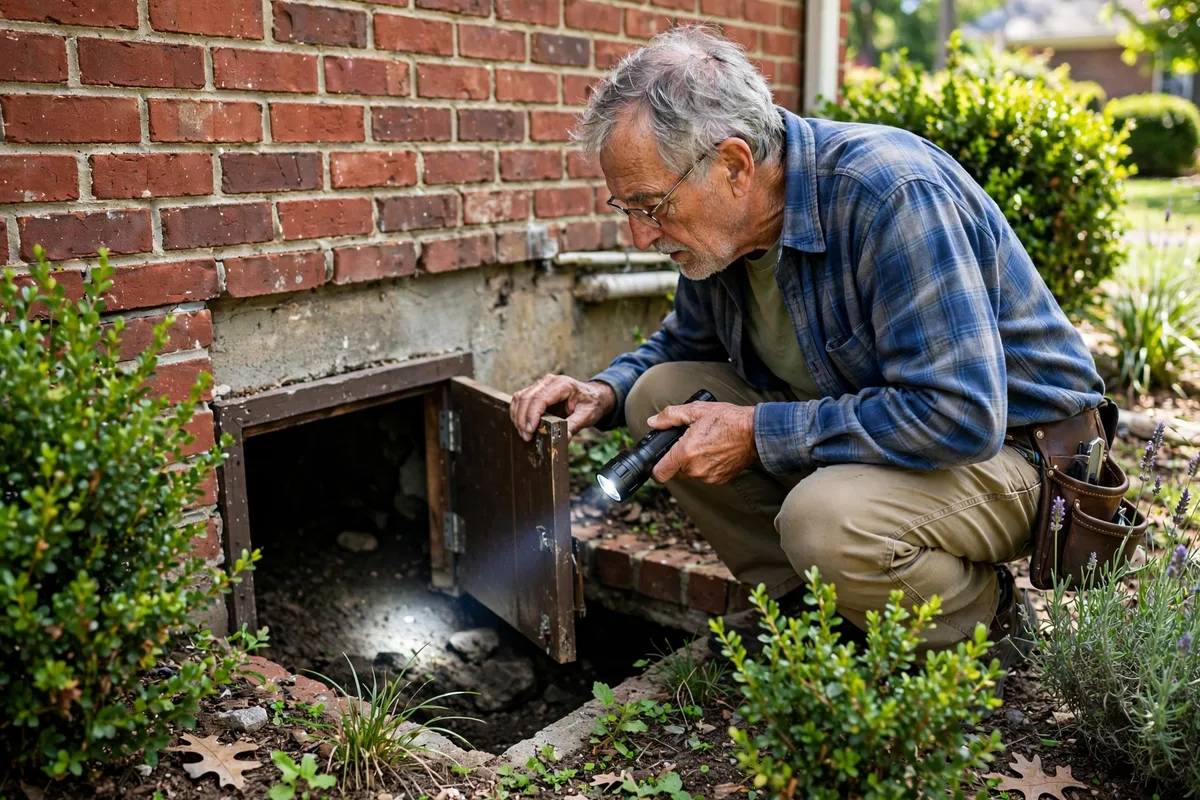
People mix these up all the time, and it hurts them. An inspection is someone walking your property looking for visible mold and moisture problems. Testing is lab work on air or surface samples that tells you what's actually growing. You usually need the first; you only sometimes need the second. Here's how to tell which one your situation calls for.
Understanding these differences is essential to make informed decisions regarding mold remediation. This article will cover the specifics of both processes, what to expect during each, and when to engage professional help.
| Service | What it covers | When it fits |
|---|---|---|
| Inspection | Walks the property to find visible mold, moisture problems, and likely sources | Fits first, or when you see mold or smell a musty odor |
| Testing | Collects air or surface samples for lab analysis to identify what is growing | Fits when mold is suspected but not visible, or when data should support next steps |
What is the Difference Between Mold Inspection and Mold Testing?
The difference between mold inspection and mold testing is that inspection focuses on identifying visible mold and potential moisture sources, while testing quantifies mold spores in the environment. Inspections often lead to recommendations for remediation, whereas testing provides data to support those recommendations.
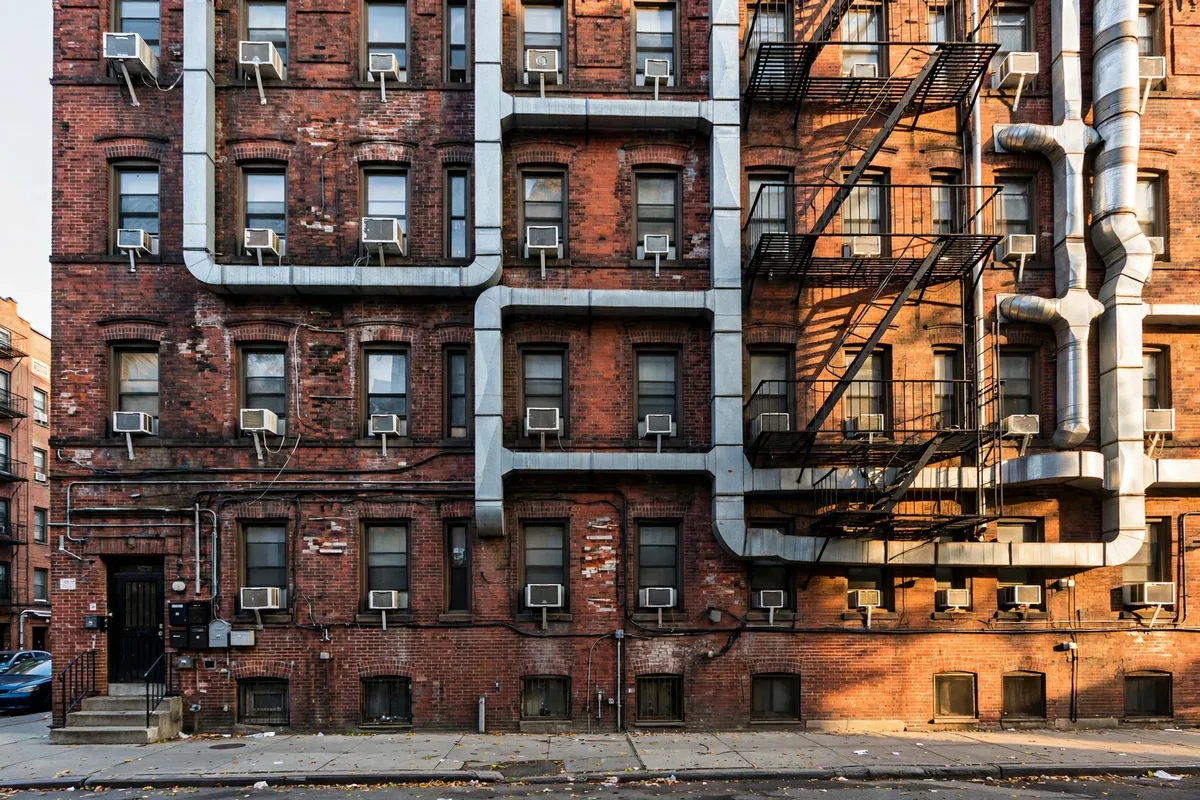
Mold Inspection vs Testing Newark NJ
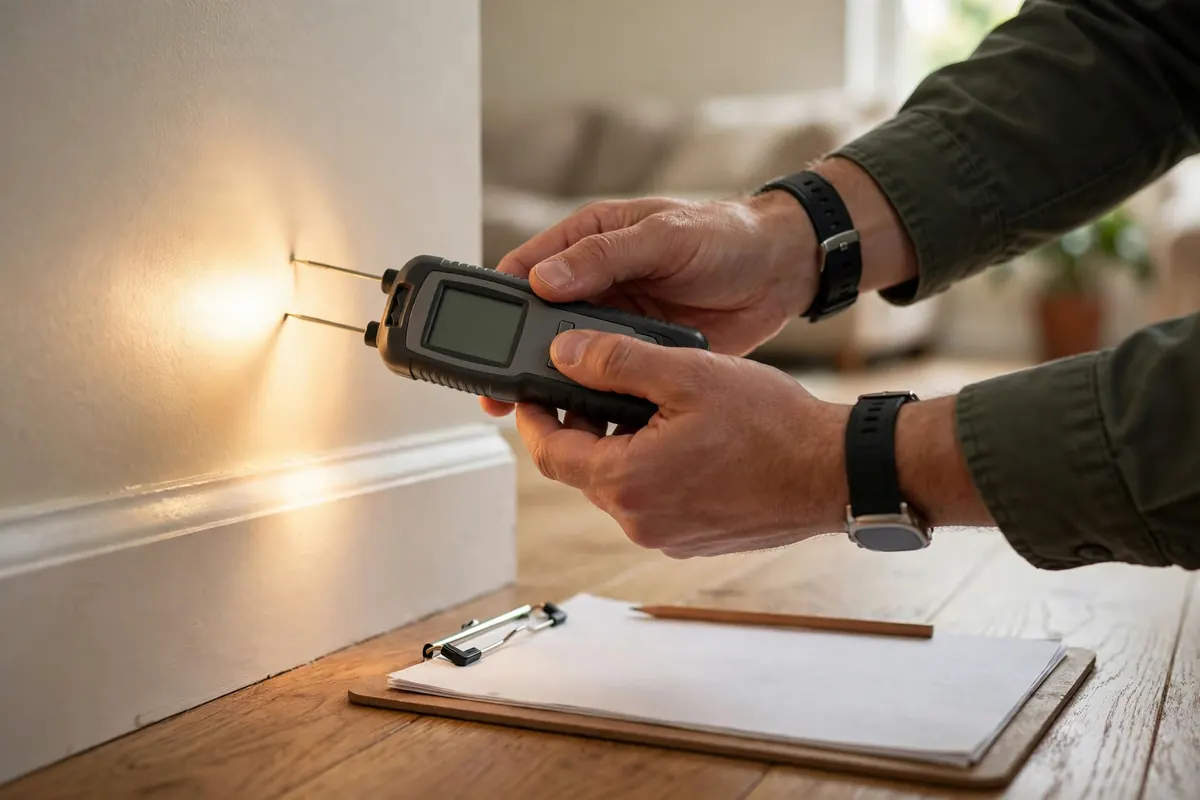
In Newark, NJ, homeowners often wonder about the nuances of Mold Inspection & Testing Newark NJ. Mold inspection typically involves a thorough walkthrough of the property, checking for signs of mold growth, moisture problems, and structural issues that could contribute to mold development. Inspectors will often use tools like moisture meters and thermal imaging cameras to detect hidden moisture.
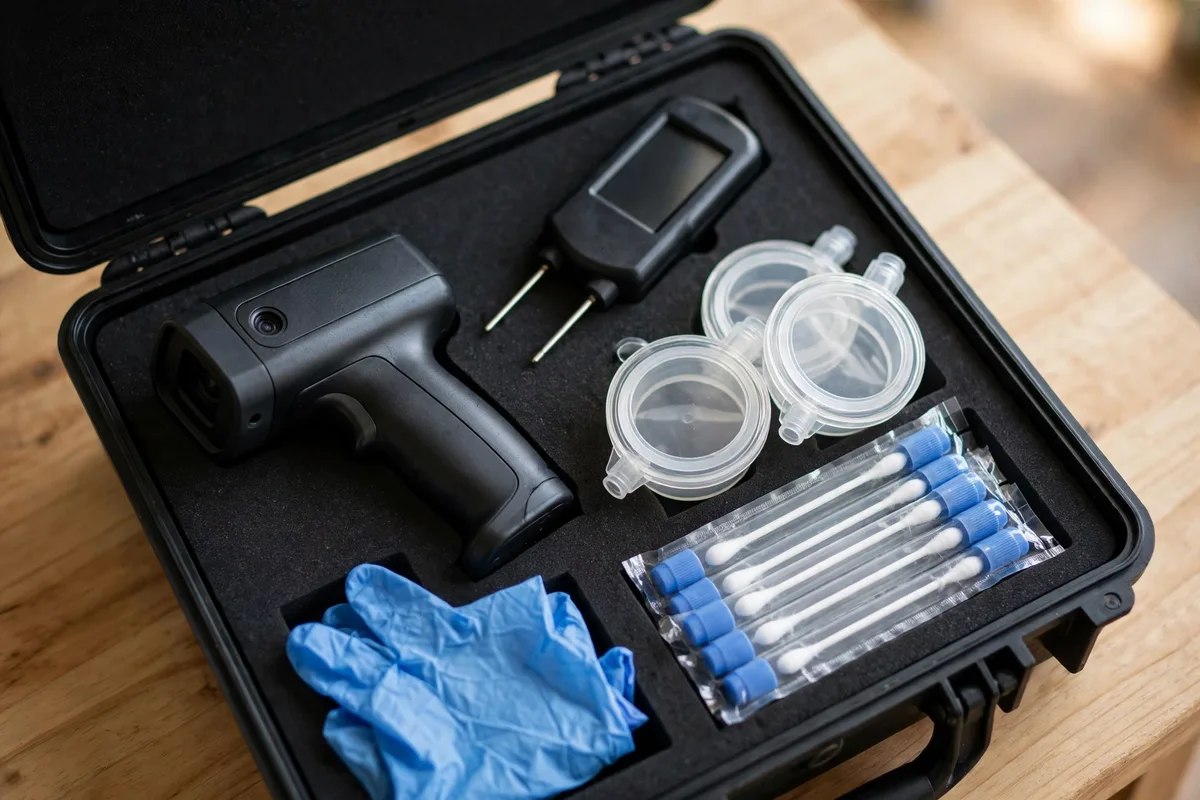
On the other hand, mold testing may follow an inspection if mold is suspected but not visibly present. This process involves collecting samples from the air and surfaces and sending them to a lab for analysis. The results will indicate whether mold is present and the types of mold spores, helping to determine the next steps for remediation.
What Should I Expect from a Mold Inspection in Newark?
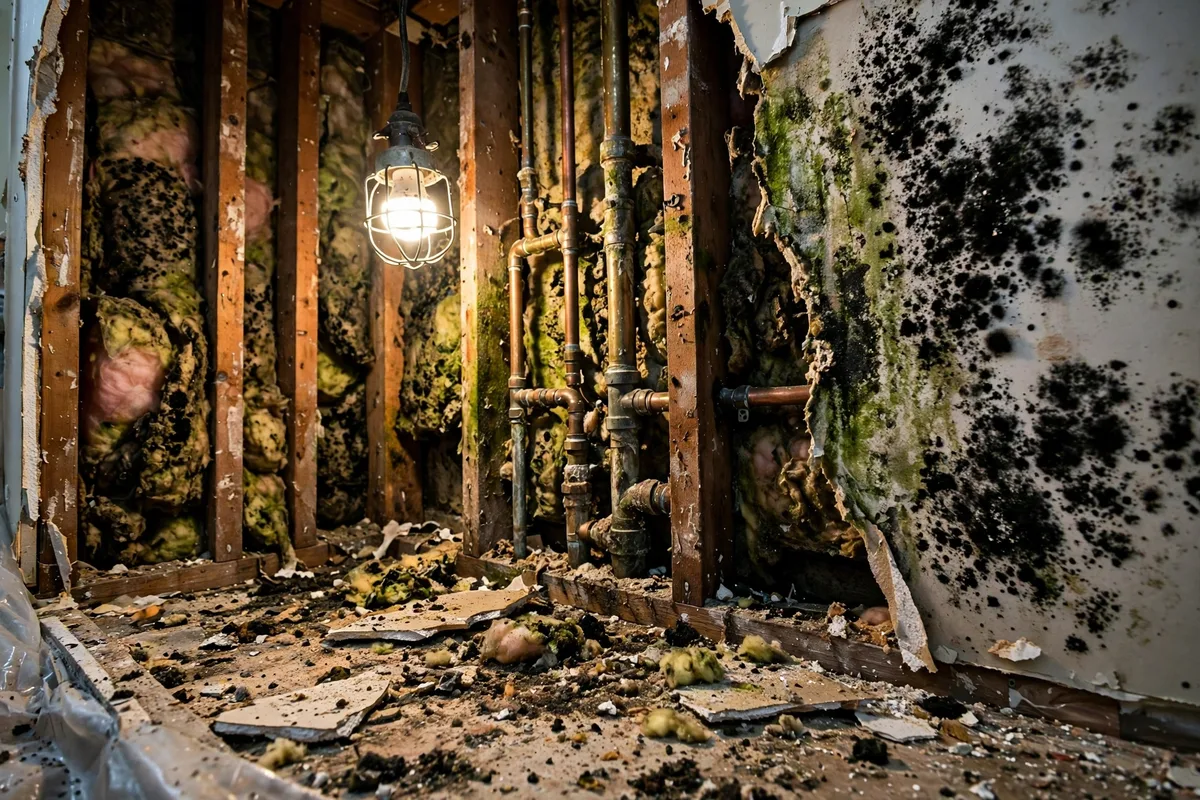
During a mold inspection in Newark, you can expect a complete evaluation of your property. Inspectors will check areas prone to moisture, such as basements, bathrooms, and kitchens. They will look for visible mold growth, water stains, and any signs of leaks or humidity issues.
Typically, the inspection takes about 1-2 hours, depending on the property size. You will receive a detailed report outlining findings and recommendations, which may include further testing or immediate remediation steps. Mold inspection work depends on the property's size and complexity.
When to Choose Mold Inspection or Testing Newark
Choosing between mold inspection or testing in Newark depends on your situation. If you notice visible mold growth or experience persistent musty odors, a mold inspection is your first step. This will help identify the extent of the problem and potential causes.
If no visible mold is found but health symptoms or environmental concerns persist, consider mold testing. This helps determine if mold spores are present in the air or on surfaces, providing critical information for addressing health risks. Always consult with a professional to decide the best course of action based on your specific circumstances.
Common Mistakes in Mold Assessment Differences Newark NJ
One common mistake homeowners make in Newark regarding Mold Inspection & Testing Newark NJ is assuming that a visual inspection alone is sufficient. Mold can grow in hidden areas, such as inside walls or under carpets, making complete testing essential.
Another mistake is neglecting to address underlying moisture issues. Mold thrives in damp conditions, so without fixing leaks or improving ventilation, mold will likely return after remediation. Always ensure that both inspection and remediation processes include a plan for moisture control.
When to Call a Professional
It's advisable to call a professional when you suspect mold growth but are unsure of its extent or type. Elite Mold Experts can provide both inspection and testing services tailored to your needs. Our experienced team can help identify mold issues and recommend effective remediation strategies.
Elizabeth, Linden, and Union Township readers can check their town pages for the local conditions that make this problem worse.