How to Get Rid of Musty Smells in an Older Home Basement
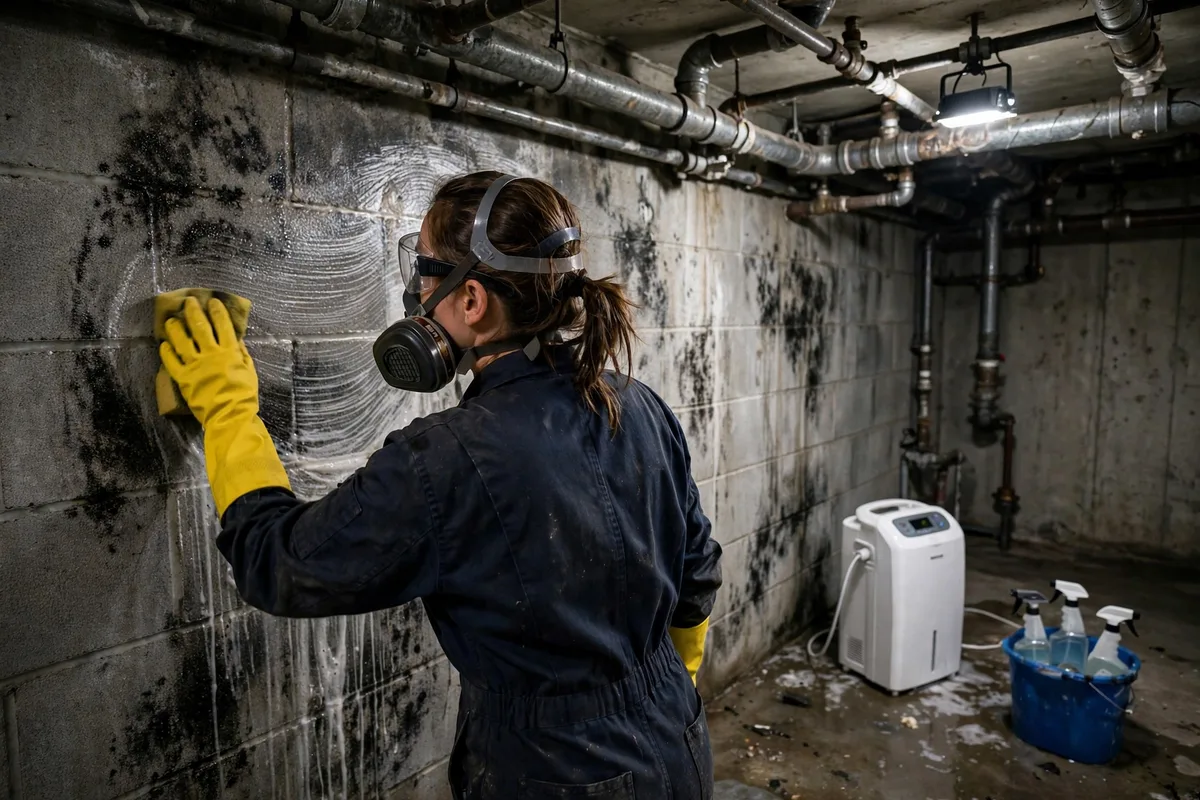
Musty basement smells clear only after you find and fix the moisture source behind them. Start by fixing leaks, improving ventilation with windows or fans, running a dehumidifier, and cleaning surfaces with a mold-killing solution; seal foundation cracks, insulate pipes to cut condensation, and skip air fresheners alone, since they mask odor without removing mold or mildew.

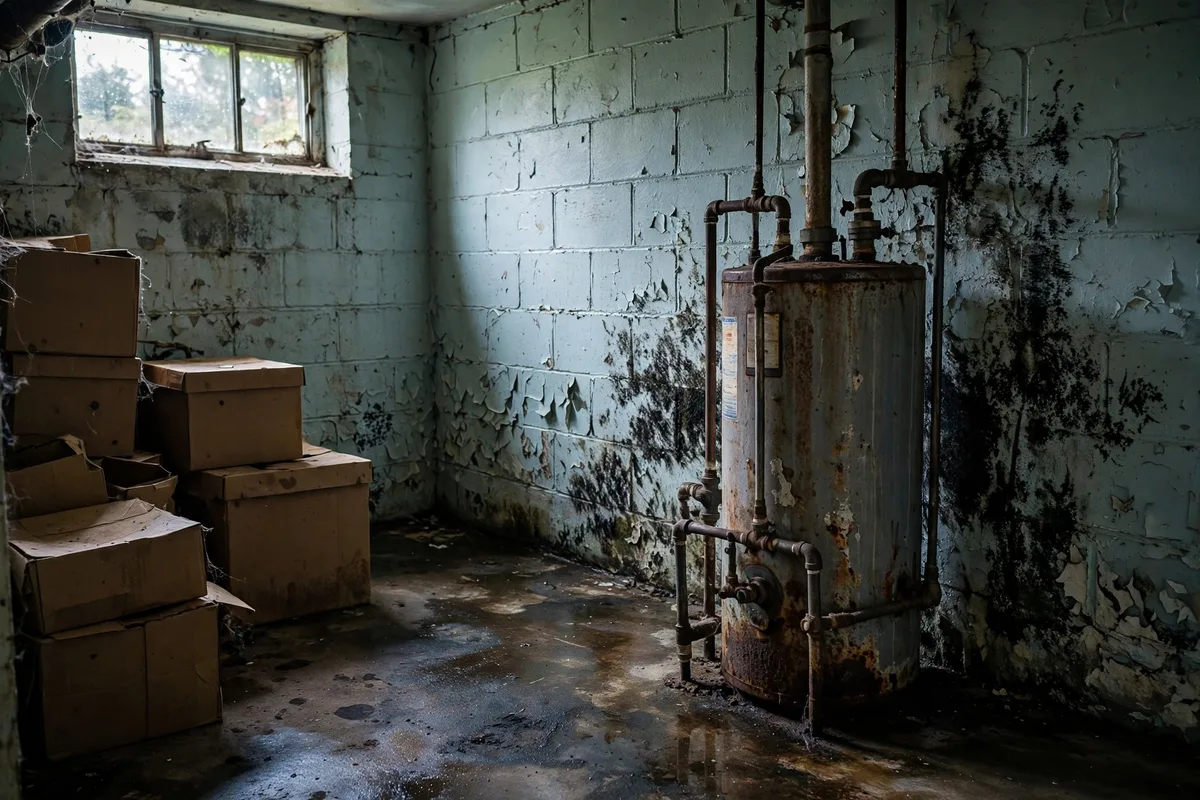
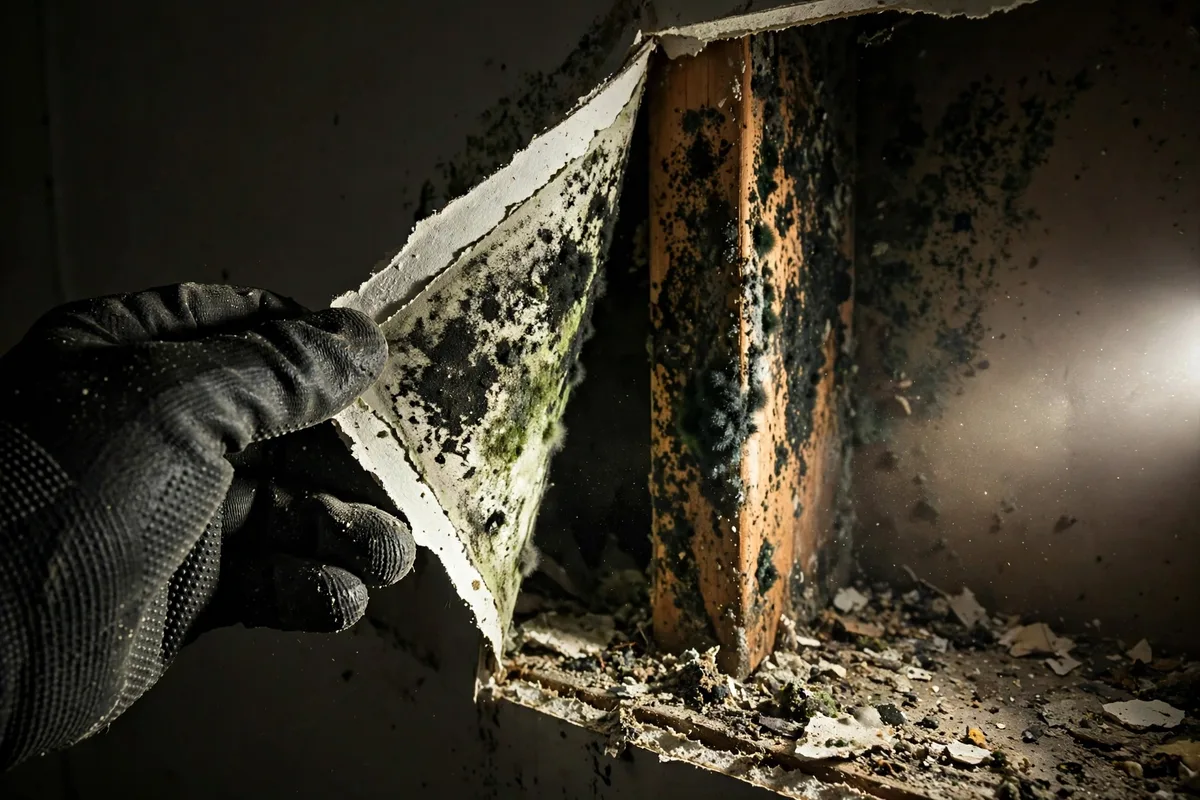
To get rid of musty smells in an older home basement, you need to identify the source of the odor and eliminate it effectively. Commonly, these smells stem from mold, mildew, or moisture issues that are prevalent in Newark's older homes.
This article will guide you through understanding the causes of musty odors, effective removal techniques, and when to seek professional help.
| Method | How to use it | What it does |
|---|---|---|
| Activated charcoal | Place bowls around the basement to absorb odors | Absorbs odor without added scent |
| Baking soda | Sprinkle on odorous areas, let it sit, then vacuum it up | Lifts odor from soft surfaces |
| Essential oils | Mix tea tree or lavender oil with water and spray to freshen air | Adds scent while you fix the moisture source |
What Causes Musty Smells in Basements in Newark?
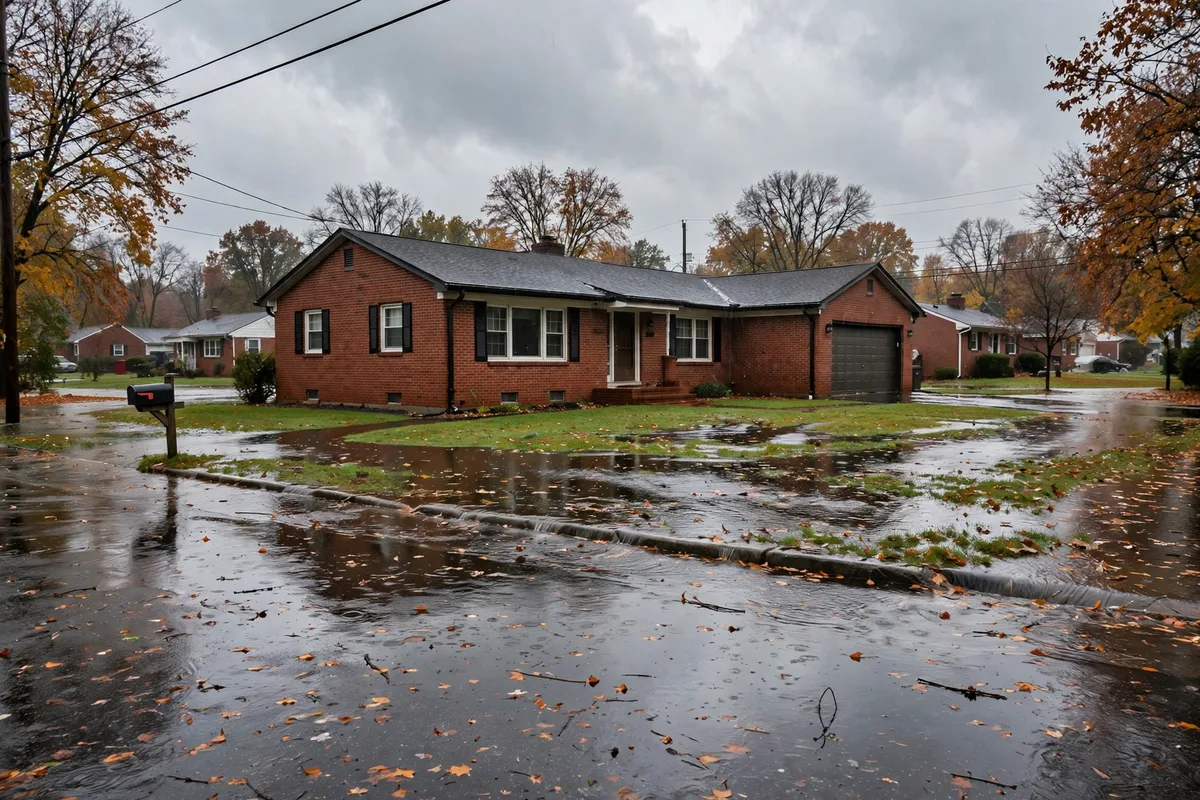
Musty smells in basements are typically caused by mold and mildew growth due to excess moisture. Newark's humid climate, especially during the summer months, creates an ideal environment for these fungi to thrive.
Common causes include:
- Water leaks from pipes or walls
- Poor ventilation
- High humidity levels
- Condensation on cold surfaces
How Can I Get Rid of Musty Odors in My Basement in Newark?
To effectively eliminate musty odors in your basement, you can follow a few key steps:
- Identify and fix any moisture sources, such as leaks.
- Improve ventilation by opening windows or using fans.
- Use dehumidifiers to control humidity levels.
- Clean surfaces with mold-killing solutions.
These methods are essential for Basement Mold Removal Newark NJ and ensuring a healthier living environment.
Best Ways to Eliminate Musty Smells in Older Homes Newark NJ
Homeowners in Newark can use several effective strategies to tackle musty smells:
- Regular Cleaning: Frequently clean your basement to prevent mold growth. Use a mixture of water and vinegar or a commercial mold cleaner.
- Seal Cracks: Inspect for and seal any cracks in the foundation or walls to prevent moisture infiltration.
- Insulate Pipes: Insulating your pipes can reduce condensation and keep the area dry.
These practices are vital for Moisture Control & Dehumidification Newark NJ and maintaining a fresh-smelling basement.
Musty Smell Removal Techniques Newark NJ
There are specific techniques you can employ to remove musty smells:
- Activated Charcoal: Place bowls of activated charcoal around the basement to absorb odors.
- Baking Soda: Sprinkle baking soda on carpets or areas with odors, let it sit, then vacuum it up.
- Essential Oils: Use essential oils like tea tree or lavender mixed with water in a spray bottle to freshen the air.
These techniques can be particularly useful if you're exploring Air Quality Testing for Mold Newark to ensure your air remains clean.
Common Mistakes to Avoid
When dealing with musty smells, avoid these common mistakes:
- Ignoring the source of moisture.
- Relying solely on air fresheners without addressing the underlying issue.
- Failing to ventilate properly.
When to Call a Professional
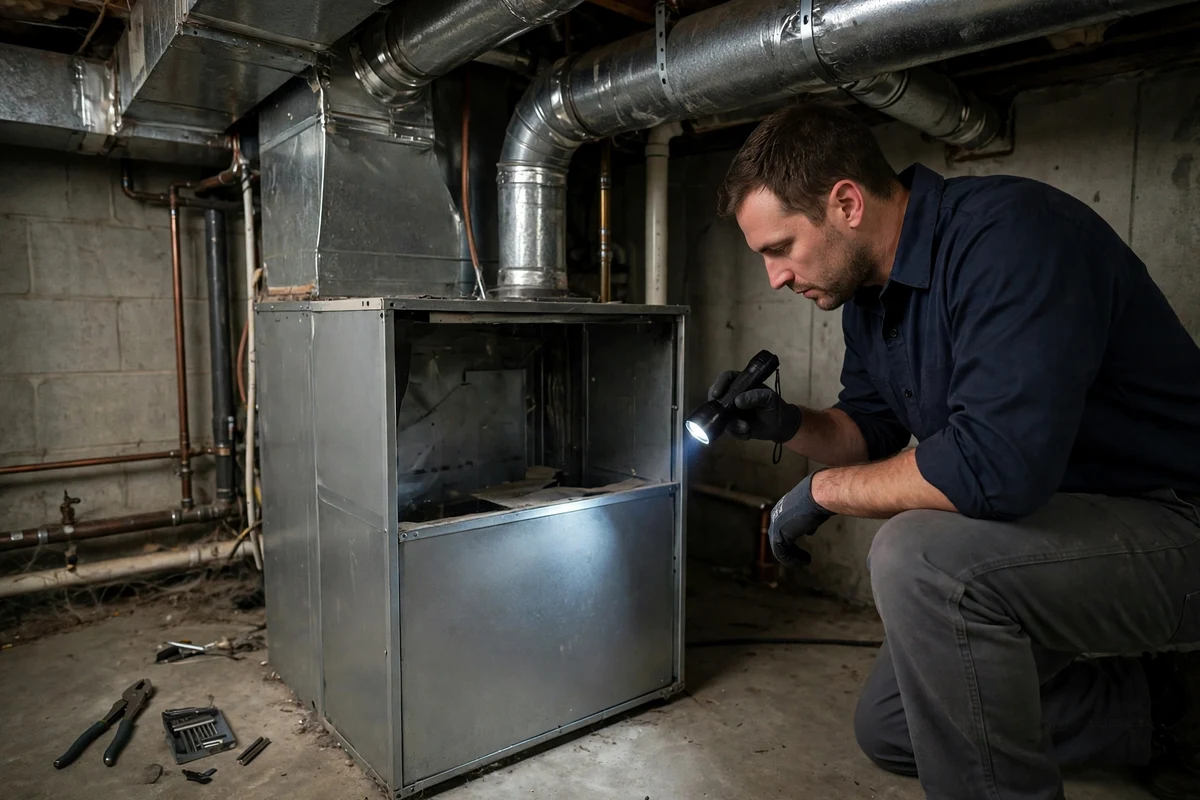
Consider contacting a professional if the musty smell persists despite your efforts. Elite Mold Experts can assess your basement for mold and moisture issues, providing complete solutions tailored to your needs.
Musty basements are a familiar problem in Hillside, Irvington, and East Orange, and each town page explains how local housing and weather feed it.