Arrival windows that hold
Timely updates with a clear time for our arrival.
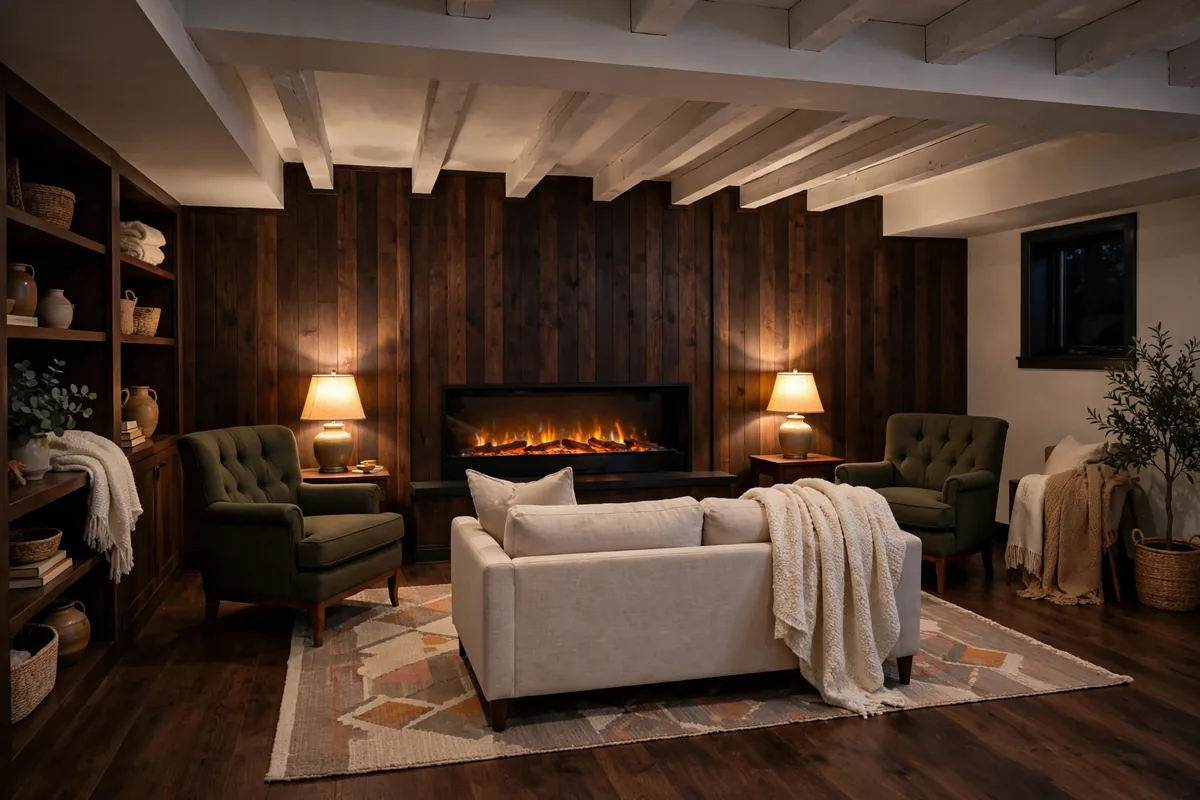
Belleville's tree-lined streets and pre-war homes have real character, and real basements, plaster walls, and aging pipes that give mold steady openings. Damp air from the Passaic River meets construction from before vapor barriers, sump pumps, and bathroom exhaust fans were standard. Elite Mold Experts knows these houses, inspects, remediates, and verifies with clearance testing, from Branch Brook Park streets to river blocks.
Timely updates with a clear time for our arrival.
We walk you through the plan before you decide anything.
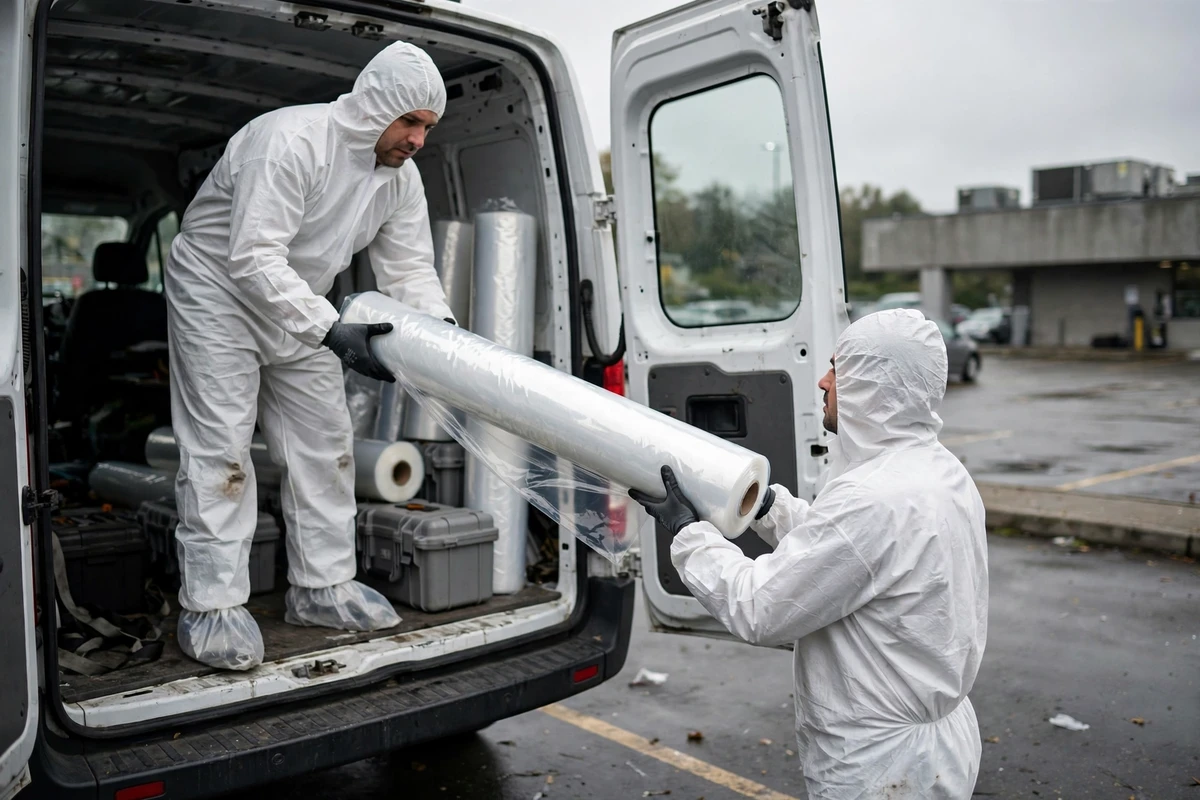
Our trucks arrive stocked, and we leave the place tidy.
Local people who see the job through.
Much of Belleville was built in an era before vapor barriers, sump pumps, and bathroom exhaust fans were standard. Those solid pre-war homes have stood for nearly a century, but their basements, plaster walls, and aging pipes are exactly where mold settles in. Add the damp air drifting off the Passaic River, and you've got a town where a professional mold inspection proves its worth.
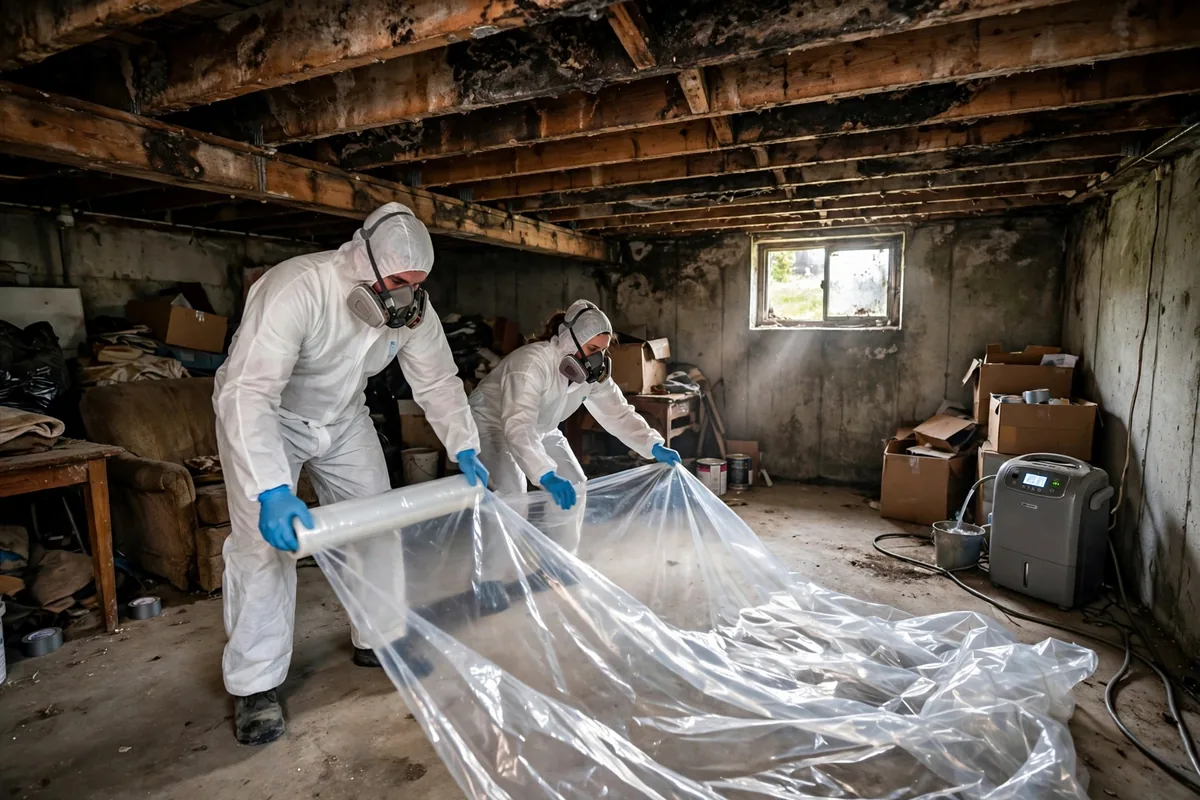
Belleville homes face mold trouble most when humidity climbs, and our crews stay ready for mold work. Every service below fits the town's older housing and damp conditions.
Moisture problems make black mold a repeat visitor in Belleville, so removal has to be careful and complete. Our team uses advanced techniques to take it out safely and leave the home healthy.
View service →02Hidden mold is the hard part, and our Belleville inspections go after it with moisture meters and thermal imaging cameras. The assessment pinpoints problem areas so nothing stays buried.
View service →03When humidity drags indoor air quality down, testing shows what is actually in the air. We test for mold-related issues and address them to keep your home safe.
View service →04Once remediation wraps up, clearance testing checks the home for remaining mold spores. Thorough testing confirms the space is safe to use again.
View service →05Belleville basements take on moisture often, and we focus on removing the mold and drying the space. The result is a basement that stays dry and safe.
View service →06Poor ventilation leaves many Belleville attics damp and moldy. Our team clears the growth and restores cleaner air and safer conditions overhead.
View service →07Humid air feeds heavy growth in crawl spaces, and we dry those areas out fully. Once the moisture is gone, the crawl space stops feeding mold to the rest of the house.
View service →08Moisture hangs around in Belleville bathrooms, so mold gets a foothold fast. We clean thoroughly and set up prevention steps that keep bathrooms mold clear.
View service →09Clean air depends on a clean system, so we remediate mold in HVAC units and ductwork. Safe circulation returns once the system is clear.
View service →Here's how a typical Belleville job runs, whether it's a basement in a 1920s colonial or a bathroom in a garden apartment.
In pre-war homes, the water source is often old: a sweating pipe, a foundation crack that's been seeping for years. We trace moisture with meters and thermal imaging before quoting anything.
We seal off the work area, remove mold-damaged materials, HEPA-vacuum every surface, and wipe down framing. Plaster and lath get special care , we save what can be saved.
After removal, we dry the space to verified moisture targets and finish with clearance testing, so you've documentation , useful for buyers, sellers, and peace of mind.
We adhere to standards to ensure our Mold Remediation processes are effective and compliant with industry best practices.
Following EPA guidelines helps us manage hazardous materials safely during mold removal.
Walk through enough Belleville homes and the same patterns repeat.

Pre-war foundations weren't waterproofed by modern standards. Seasonal groundwater pushes through mortar joints, keeping basement walls perpetually damp.
Many older Belleville bathrooms have a window instead of a fan , fine in 1930, not enough today. Steam condenses on plaster and tile, and mold follows.
Original or decades-old plumbing eventually weeps at joints. Slow drips inside walls feed mold for months before a stain appears.
Insulation added over the years often blocks soffit vents in these older rooflines, trapping moisture that grows mold on the sheathing.
Belleville's mold story is written by two things: the Passaic River along its edge and a housing stock that predates modern building science.
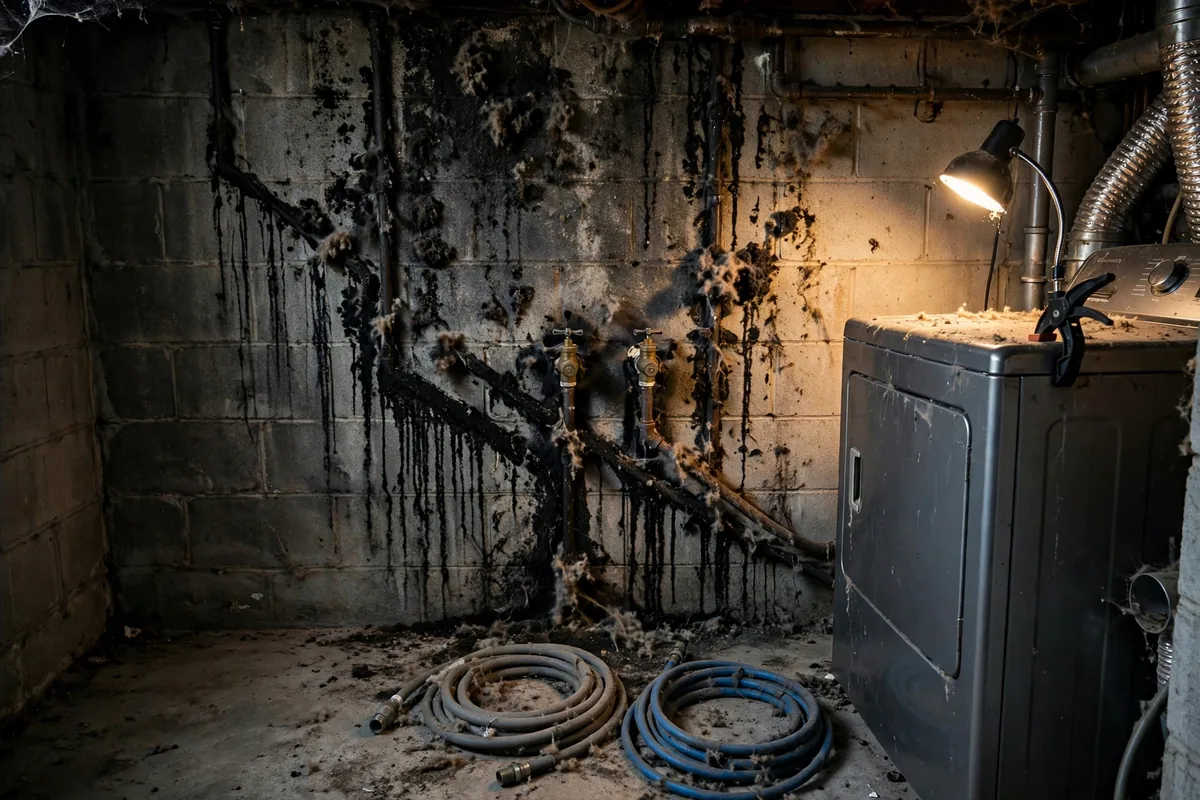
The river keeps nearby air humid and the local water table high. Homes closest to the river see more basement seepage, especially during spring rains when the river runs high.
The park's famous cherry blossoms draw crowds each April , and the same wet spring weather that feeds the blooms feeds basement dampness across town. Open windows during rainy spells invite humid air straight in.
Belleville's colonials, Capes, and Tudors were built solid but without vapor barriers, foundation waterproofing, or mechanical ventilation. A century of small leaks adds up inside walls.
Big old trees are beautiful and keep homes cool, but heavy shade keeps siding, roofs, and soil damp longer after rain. Clogged gutters under tree cover are a Belleville classic , and a top mold contributor.
We answer calls in Silver Lake, Soho, and Big Tree alike, and each neighborhood brings its own housing stock. That mix shapes how we scope every job.
This busy area has many older buildings that can be prone to mold issues, especially in basements and attics. Our team serves Belleville for mold work.
North Belleville features a mix of residential and commercial properties, requiring tailored mold remediation strategies. We're familiar with the layout and can access this area efficiently.
South Belleville's high moisture levels make it essential to address mold issues promptly to maintain healthy homes. Our team covers this Belleville neighborhood.
Belleville Park is known for its historic homes, which may have hidden mold problems due to age. We're just a short drive away, ensuring fast service.
Names and addresses stay private, but the patterns are worth sharing.
A finished basement smelled musty every spring. Moisture readings showed water wicking through old mortar joints. We removed the lower drywall, treated the masonry, improved drainage at the foundation, and the homeowner added a dehumidifier. Follow-up readings stayed dry through the next rainy season.
A second-floor bath with no exhaust fan had mold across the ceiling. We remediated the drywall, installed a properly vented fan, and showed the homeowner a two-minute post-shower routine that keeps it from returning.
A seller's inspection flagged suspected mold in an attic. Our testing confirmed surface mold on sheathing from blocked soffit vents. We cleaned it, restored airflow, and provided clearance documentation that kept the sale on track.
Belleville's mold risks shift with the calendar. Here's the local pattern.
Cherry blossom season brings rain, and the Passaic runs high. Basement seepage peaks now.
Humid stretches keep basements muggy, especially in homes without dehumidifiers.
Leaves clog gutters and downspouts, sending roof water straight down foundation walls.
Heating dries the air, but condensation forms on cold basement walls and single-pane windows.
In Belleville, summer humidity hangs in the air and storms roll through in every season, so houses rarely get a fully dry stretch. Basements and ground-floor rooms feel it first, since moisture settles low and lingers after each rain. For the statewide picture, the National Oceanic and Atmospheric Administration publishes statewide climate data for New Jersey.
Elite Mold Experts extends its services beyond Belleville to nearby cities, ensuring complete Mold Remediation coverage across the region.
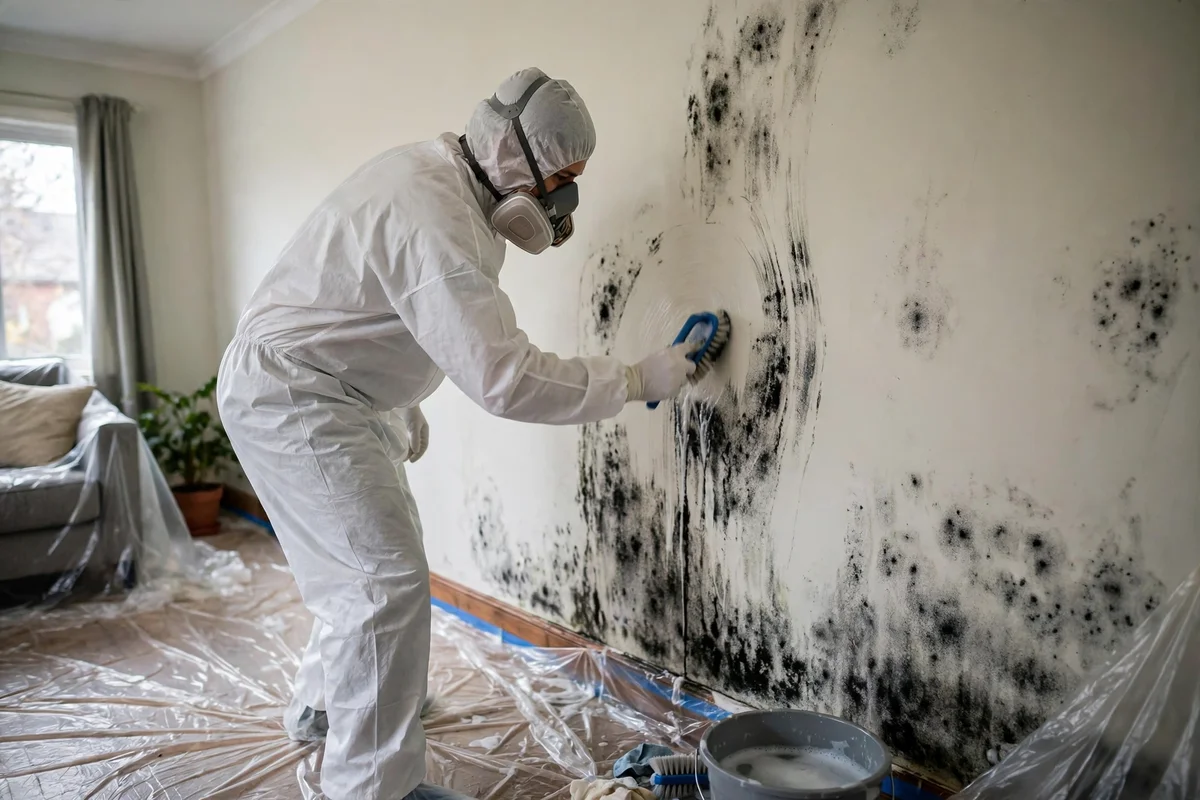
In Bloomfield, Elite Mold Experts remediates mold in Victorians, colonials, and large apartment buildings that each trap moisture in different ways.
Local coverage and details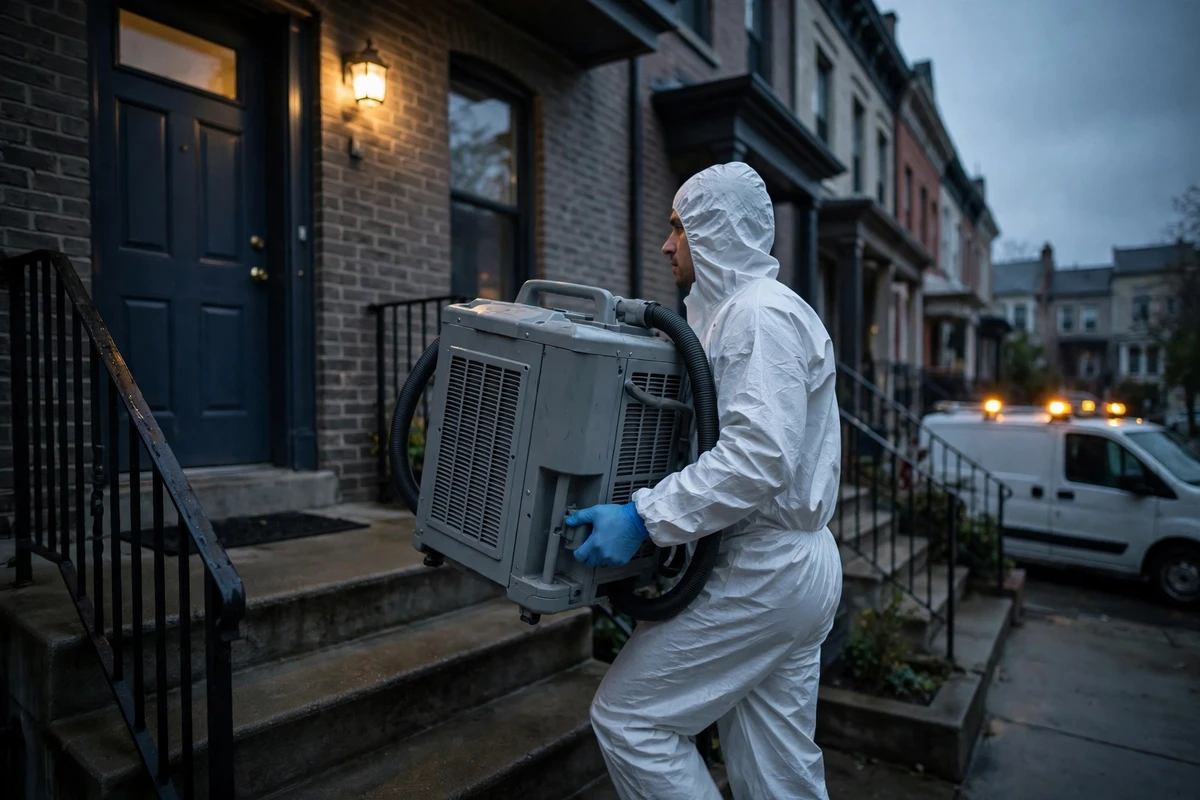
Postwar capes, colonials, and split-levels shape mold work in Nutley, and Elite Mold Experts tunes each job to the house.
Local coverage and details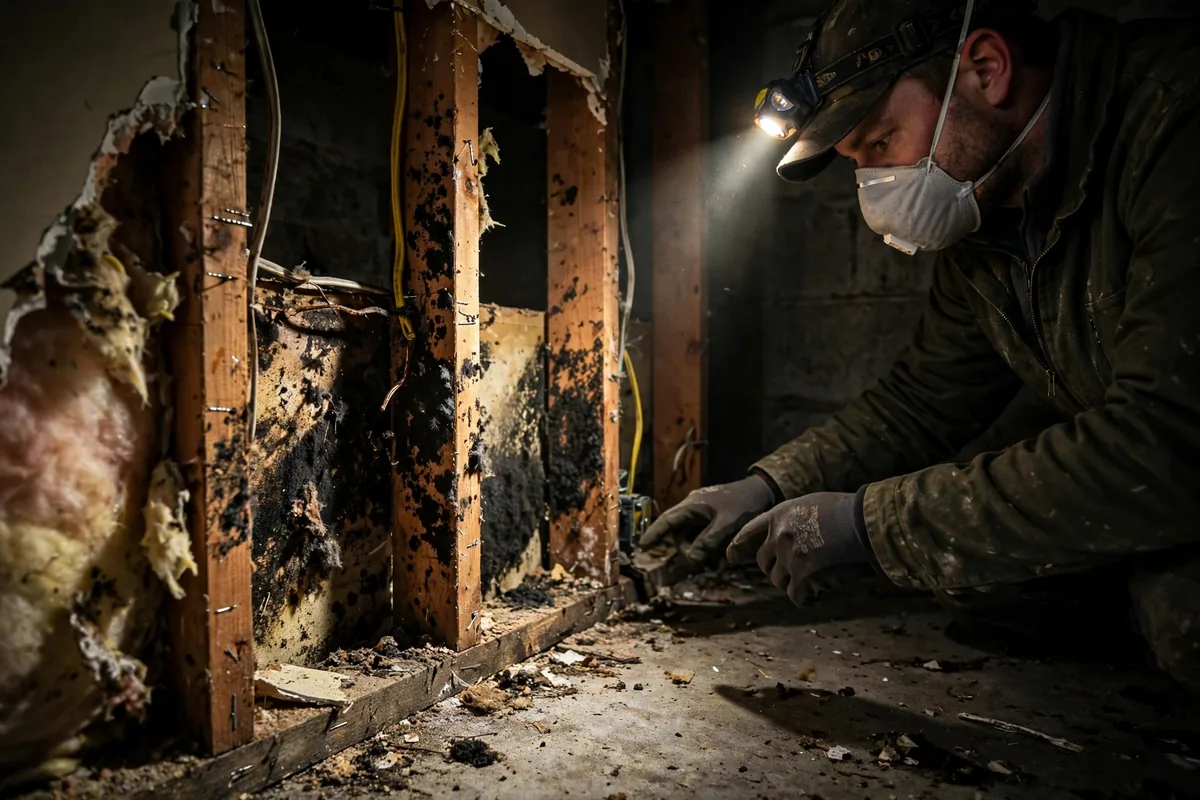
North Arlington's ridge above the Passaic River shapes every mold job, and Elite Mold Experts remediates with that geography in mind.
Local coverage and details
Lyndhurst mold work starts with water, and Elite Mold Experts addresses moisture before mold.
Local coverage and details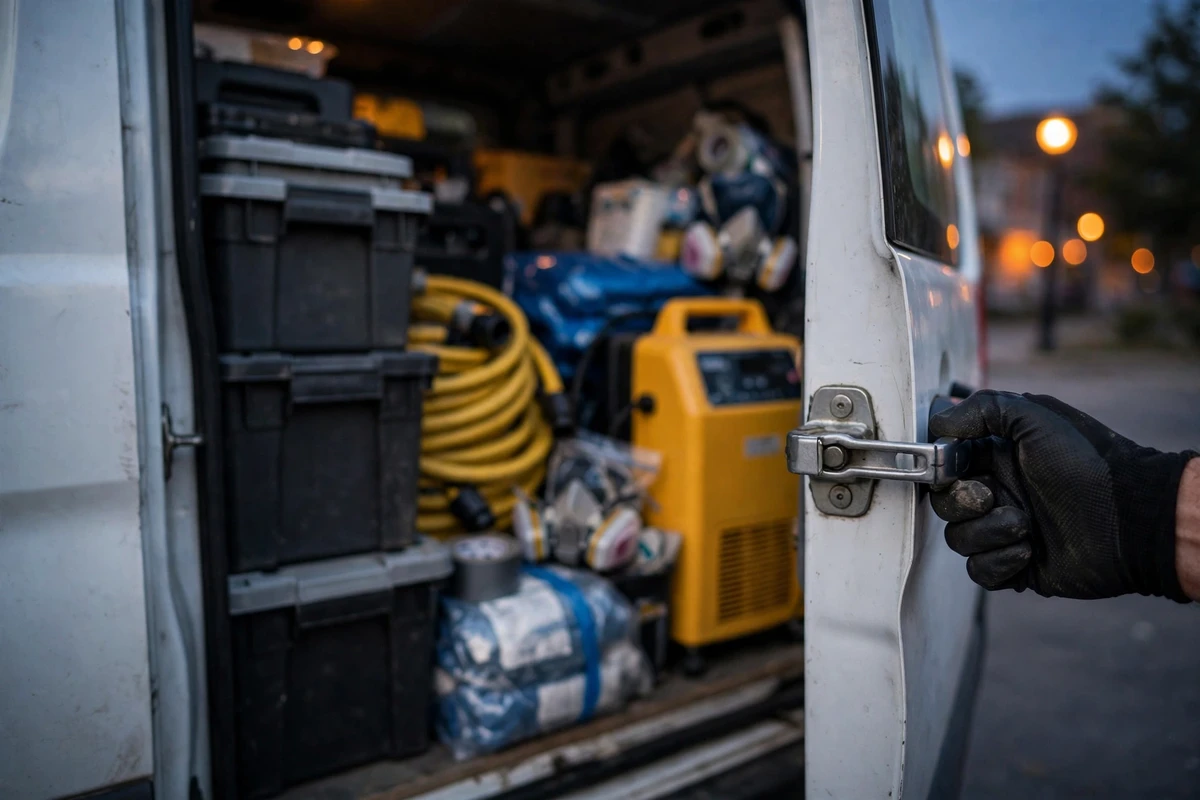
Clifton homeowners can call Elite Mold Experts for mold remediation shaped by the Passaic River on the town's eastern edge.
Local coverage and details
Montclair's Victorians, 1920s colonials, and carriage houses need mold remediation matched to century-old construction, and Elite Mold Experts provides it.
Local coverage and details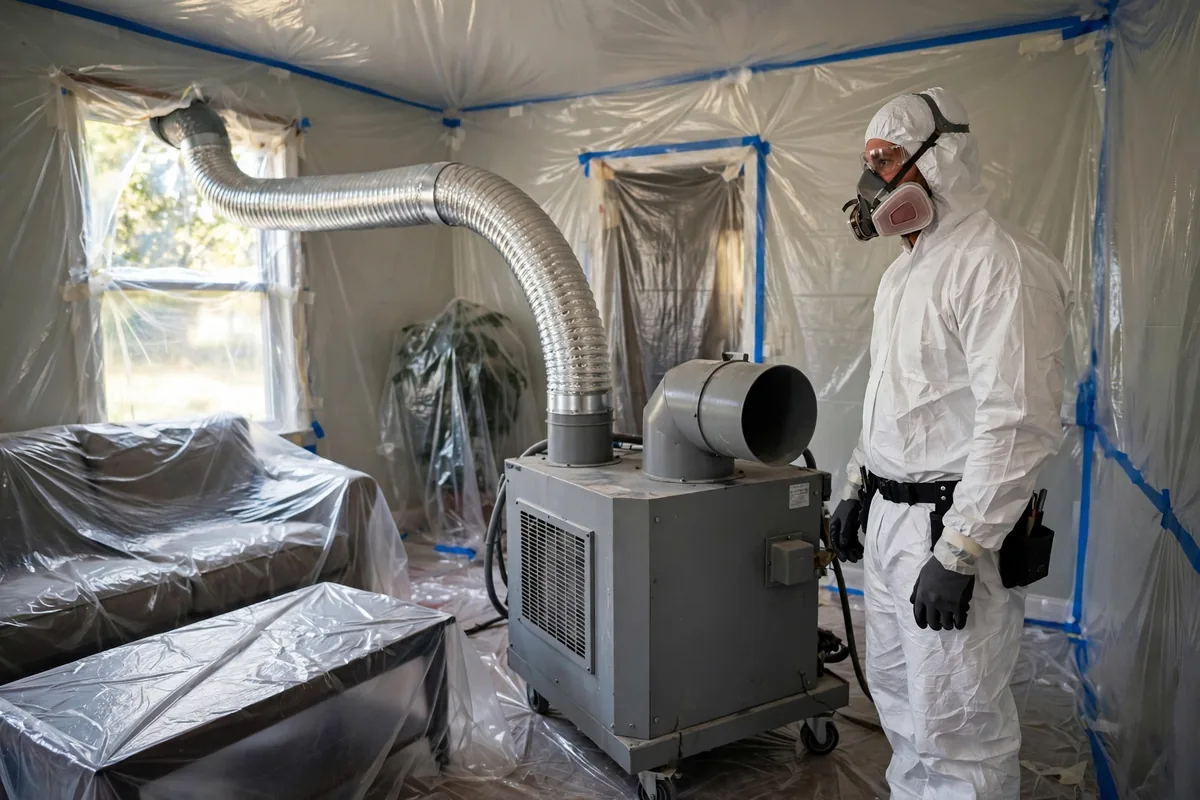
Yes, Elite Mold Experts remediates mold in Bayonne, where a narrow peninsula with water on three sides keeps air humid and the water table high.
Local coverage and details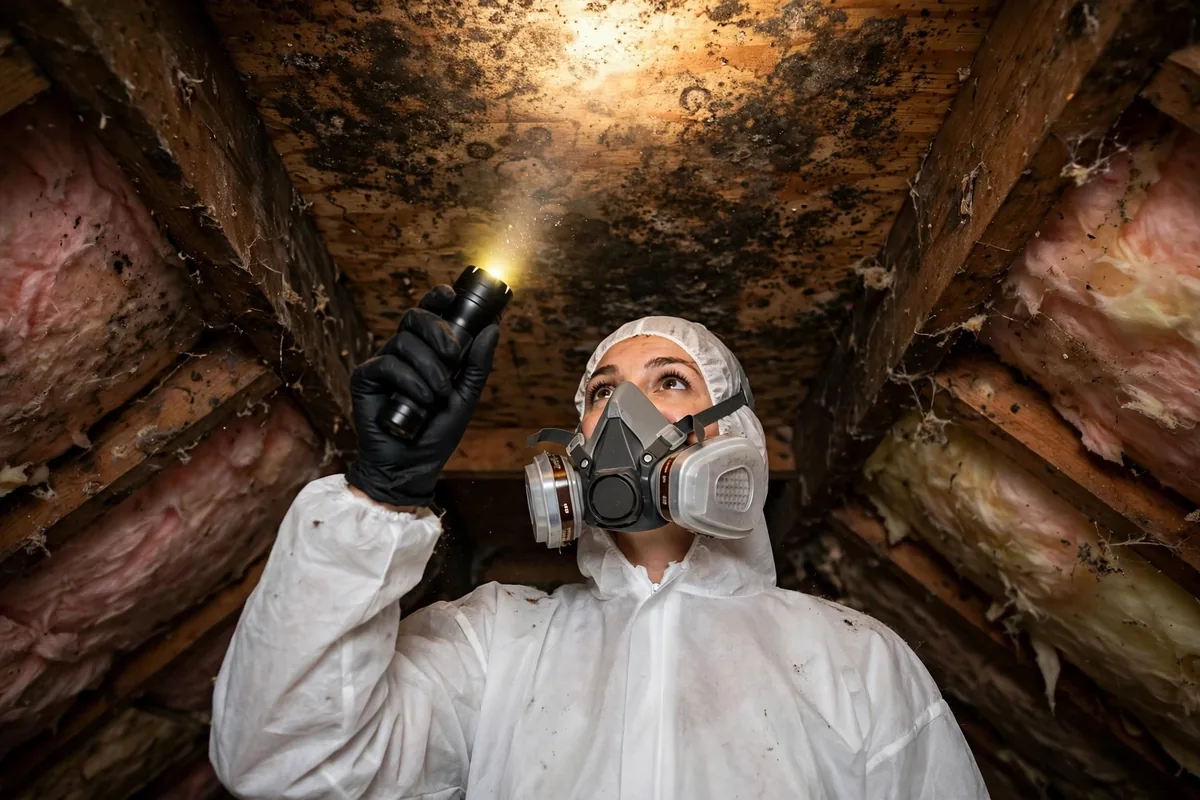
Brick apartment buildings and multi-family blocks drive mold work in East Orange, where dense construction and hot summers trap moisture.
Local coverage and detailsZIP codes we serve in Belleville: 07109
They tend to. River proximity means higher groundwater and damper air, so basements near the Passaic seep more, especially in spring. If your street is close to the river, a sump pump and a dehumidifier aren't luxuries, they're maintenance.
Plaster walls that hide slow leaks, original plumbing near the end of its life, no vapor barrier under the slab or behind walls, and attics where added insulation blocked the vents. None of this means the house is bad, it means inspections should be thorough and moisture-focused.
Indirectly, yes. April's wet weather raises the water table and soaks the ground around foundations, that's when Belleville basements seep most. Keep windows closed during rainy spells and run a dehumidifier rather than airing the house out.
Trust your nose. Musty odor means microbial growth somewhere, often behind finished walls, under carpet, or inside wall cavities. A professional inspection with moisture meters and, if needed, air sampling will locate it without guesswork.
Three habits: keep a dehumidifier running and drained, keep indoor humidity under 50%, and make sure gutters and grading move water away from the foundation. Check the basement with your nose and eyes every season change.
Still unsure about a damp spot in Belleville? Our team explains how inspections work and what the findings mean.
Ask the local team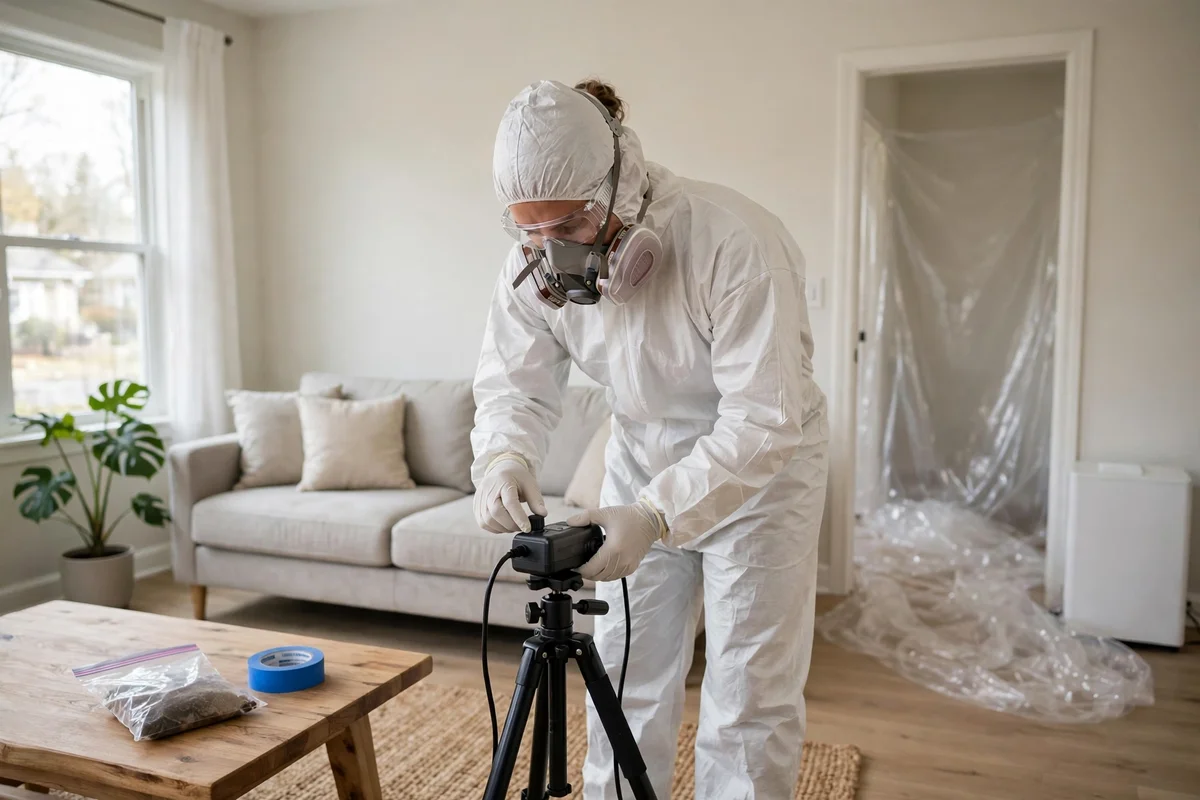
Learn how to pass a mold remediation clearance test in Newark, ensuring your home is safe and free from…
Read article
Learn how to choose a certified mold remediation company in Newark to ensure effective mold removal and…
Read article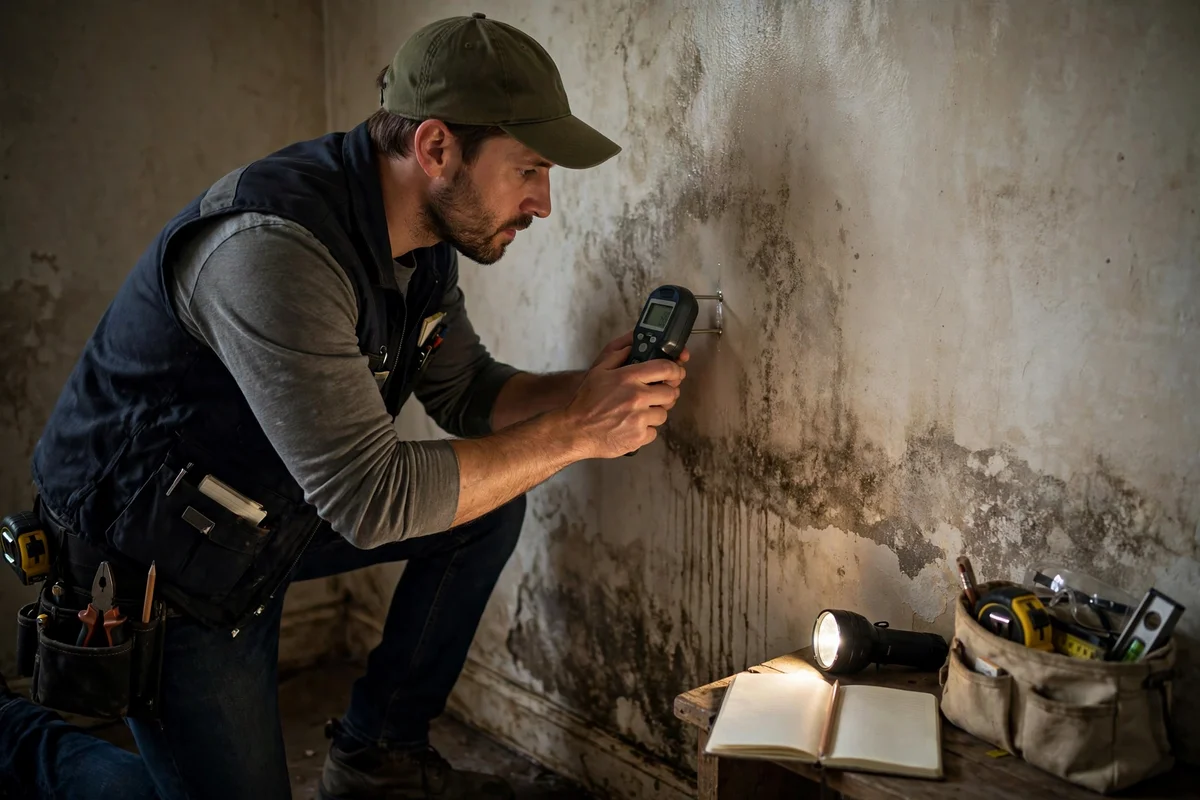
Home inspection found mold? Don't panic. Learn what it really means, what to ask, and how NJ buyers…
Read article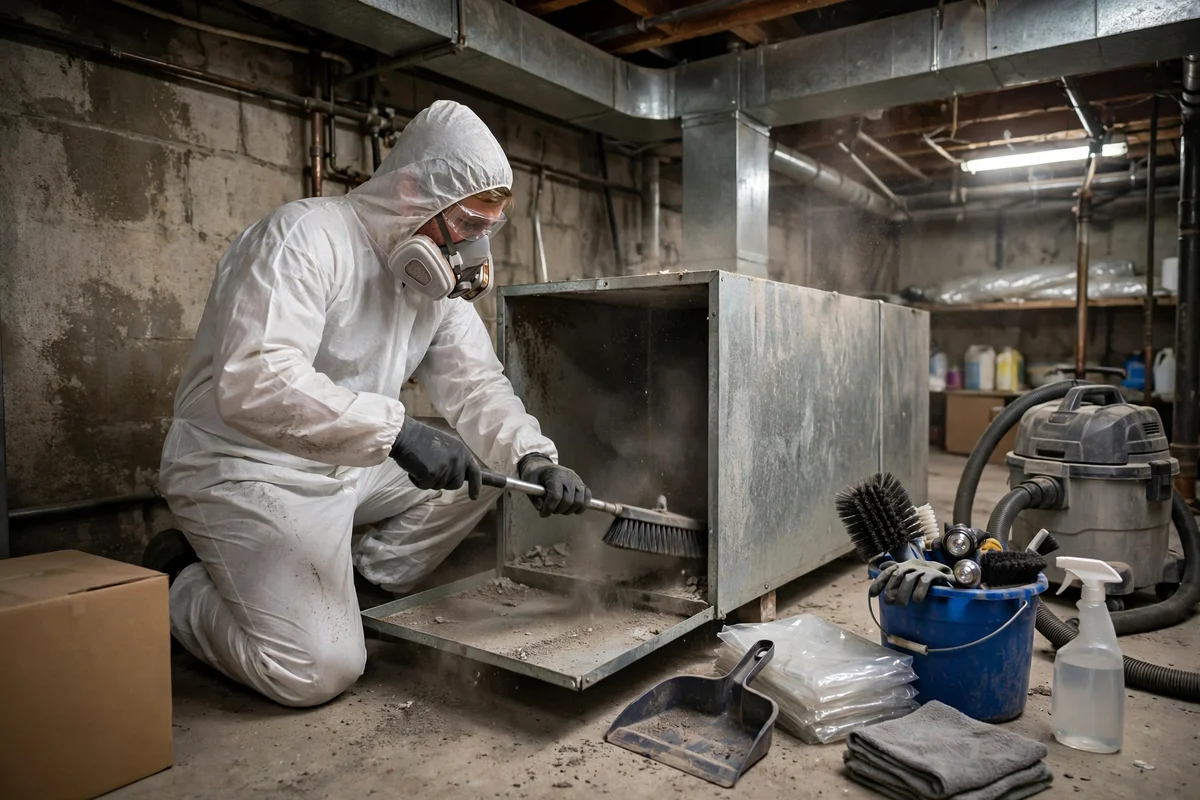
Discover what HVAC air duct cleaning can and cannot do about black mold in Newark. Understand the process…
Read article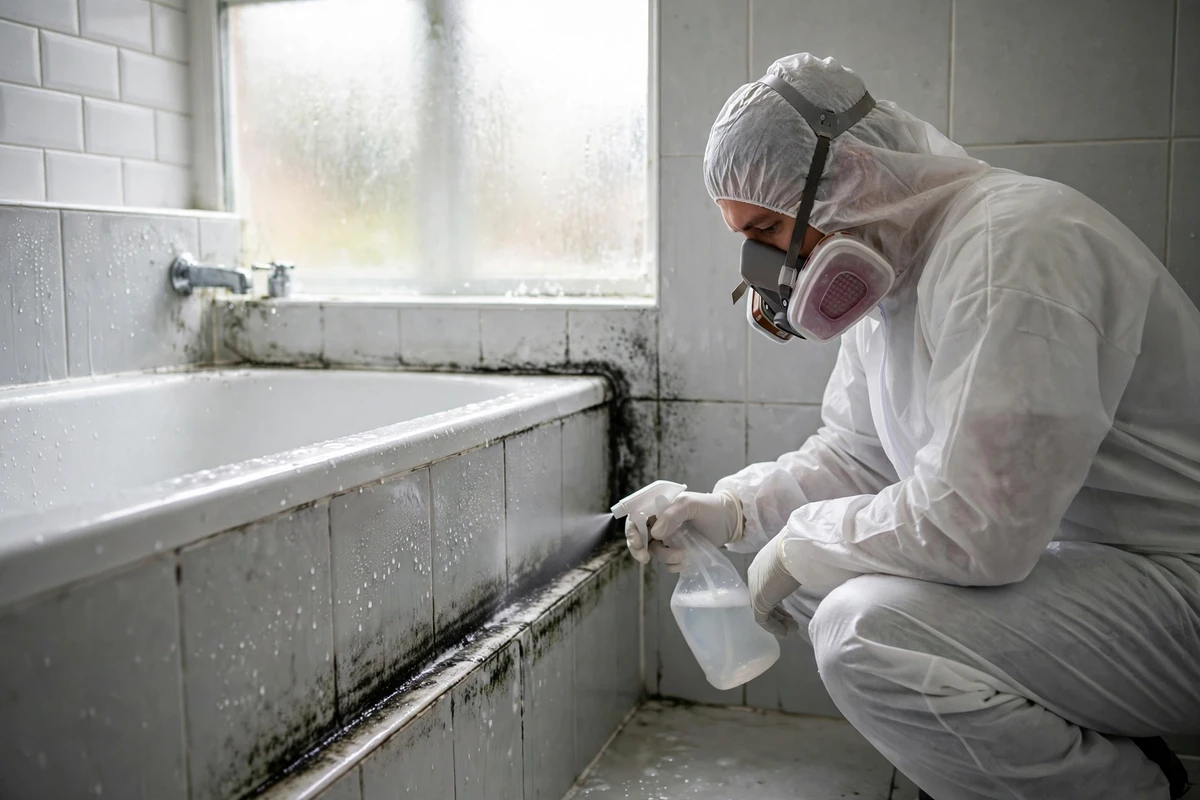
In New Jersey humidity, a small spot becomes a big job quickly. Call now and we will book your inspection.
Call (973) 400-5618