On time, bridge traffic or not
We keep you posted and give you a clear arrival window.
Living on a peninsula between Newark Bay and New York Harbor comes with a trade-off: great waterfront views, and air that never quite dries out. Nor'easters push moisture into older wood-frame and multi-family homes built before modern vapor barriers, and the high water table keeps basements damp year-round. Elite Mold Experts inspects, remediates, dries, and verifies with clearance testing, from Bayonne Bridge neighborhoods to Cape Liberty blocks.
We keep you posted and give you a clear arrival window.
You see the plan and the scope before any work starts.
Stocked trucks and a tidy cleanup when we leave.
Local crews who finish what they start.
Bayonne sits on a narrow peninsula with water on three sides, which means humid air, a high water table, and nor'easters that push moisture into places it doesn't belong. Add dense blocks of older wood-frame and multi-family homes , many built long before modern vapor barriers , and you get ideal conditions for mold. We've spent years working in these exact houses, so we know where the moisture hides and how to keep it from coming back.

Humidity off the harbor and older construction keep Bayonne homes damp, and damp homes grow mold. Our crews handle the full range of remediation work here, with round-the-clock response when a problem cannot wait.
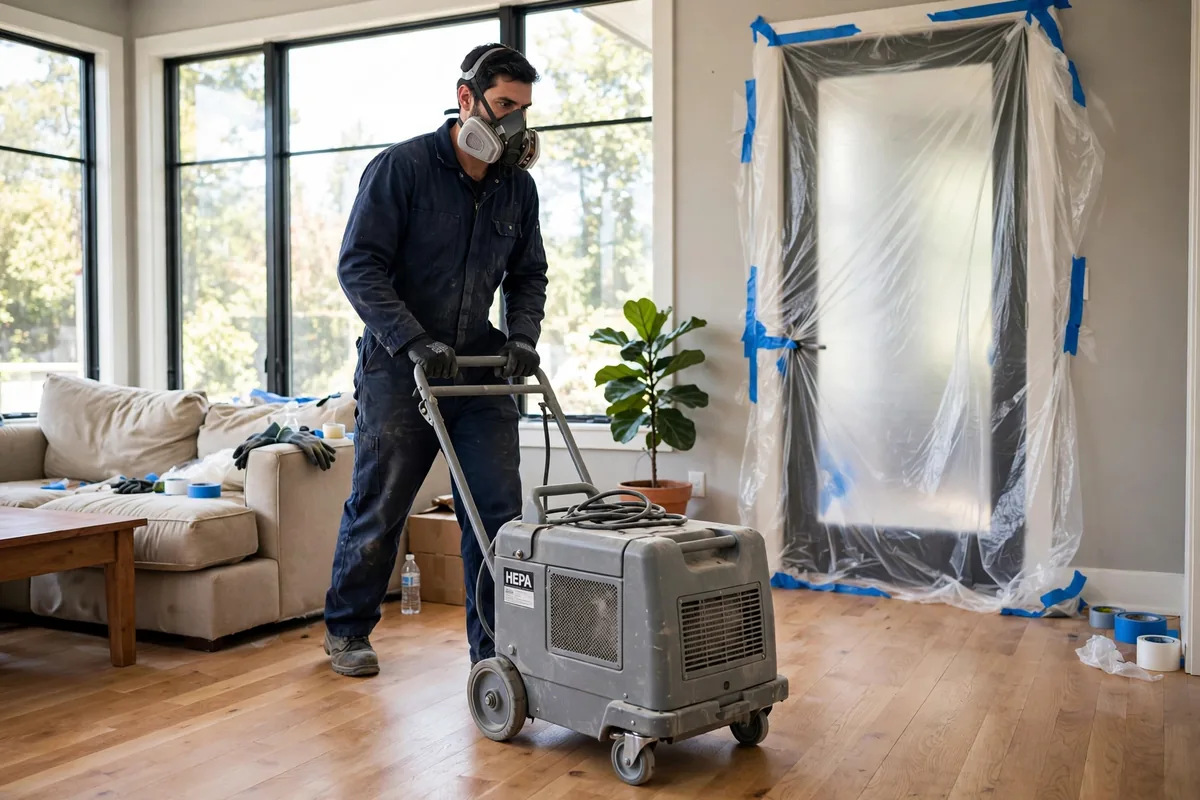
Severe infestations call for black mold removal, and our Bayonne crews bring HEPA vacuums and moisture meters to the job. We track down the full extent of the growth, remove it, and check moisture levels so the area dries properly.
View service →02A Bayonne inspection starts with a careful walkthrough of the property, checking for mold growth and testing the air. You get a detailed report plus clear next steps for fixing what we find.
View service →03We pull air samples from your Bayonne home and test them for mold spores and other contaminants. The results show whether your indoor air meets health standards and what to do if it falls short.
View service →04After remediation, clearance testing verifies the work did its job. We document the results for your records and confirm the home meets health standards before we call it done.
View service →05Lower levels in Bayonne collect moisture, so basement jobs pair removal with prevention. Dehumidifiers pull the dampness out, and sealants help keep it from coming back.
View service →06Poor ventilation and trapped humidity make Bayonne attics a common mold site. We clean the affected surfaces thoroughly and apply mold inhibitors to protect the space.
View service →07Left alone, crawl space mold spreads upward into living areas. We seal the space, run dehumidification, and cut off the moisture that feeds the growth.
View service →08Bathrooms stay wet by nature, which makes them a steady mold host. Our crews use targeted techniques to clean and treat tile, grout, and other surfaces so the room stays clean longer.
View service →09Mold in ducts spreads spores through every room the system serves. We clean the ductwork thoroughly so the air moving through your Bayonne home runs cleaner.
View service →Every job starts the same way: we find the moisture before we touch the mold. In Bayonne that means checking the usual peninsula suspects , below-grade walls, flat roofs, and anywhere storm-driven rain gets in. Here's what shapes our approach in this town.
Being surrounded by water keeps Bayonne's air damp for much of the year. We measure indoor humidity on every visit and set up dehumidification sized for your space, not a guess.
Many Bayonne homes are wood-frame buildings from decades past, where moisture wicks through framing and hides behind plaster. Thermal imaging helps us find it without tearing walls open first.
Low-lying blocks near the waterfront take on water during heavy storms. After any flooding event, fast drying within the first two days is what separates a cleanup from a full mold problem.
Following standards ensures that our mold remediation practices are effective and recognized within the industry.
Same town, same handful of trouble spots. If your home matches any of these descriptions, it's worth a look.
On a peninsula, groundwater sits high. Bayonne basements , especially in older multi-family buildings , stay damp even without an obvious leak, and that steady dampness grows mold behind finished walls.
Many local rowhouses and multi-family buildings have flat roofs that pond water. A small roof leak can feed an attic mold colony for months before anyone notices a stain.
Older bathrooms often have undersized fans or none at all. Daily showers in a humid climate keep grout and drywall wet enough for mold to take hold.
Wind-driven rain during nor'easters forces water behind siding and into wall cavities. The wall looks fine from inside while mold spreads out of sight.

You can't talk about mold in Bayonne without talking about the water. This city occupies a peninsula between Newark Bay and New York Harbor, and that geography writes the mold story here.

With Newark Bay on one side and New York Harbor on the other, Bayonne's air carries more moisture than inland towns. Basements here fight a high water table year-round, and ground-floor apartments stay damper than you'd expect.
Fall and winter nor'easters drive rain sideways into window frames and siding, and surge pushes water into low-lying streets. Every major storm is followed by a wave of mold calls , the homes dried fastest fare best.
The west side near the bridge and the waterfront around the cruise port sit lowest and closest to the water. Homes in these flood-prone pockets need sump pumps, grading that slopes away from foundations, and dehumidifiers as standard equipment.
July and August bring heat plus harbor humidity, and older homes without central air stay muggy indoors. When indoor humidity sits above 60% for weeks, mold doesn't need a leak , the air itself is enough.
Our crews cover the full peninsula, from Bergen Point at the southern tip through Constable Hook to Pamrapo in the north. Each block has its own housing type, so we load the truck for the homes on that street.
Bayonne Town Center features many older buildings that are prone to mold due to age and humidity. Our services here focus on quick response times to mitigate mold growth. Our team serves this area of Bayonne.
Bayonne Heights has many homes with basements that often suffer from moisture issues. We provide specialized basement mold removal services to protect these properties. We address mold issues in this area of Bayonne.
Bayonne Park is known for its lush greenery, which can contribute to humidity. Our moisture control services are essential for maintaining safe homes in this area. Our team covers Bayonne Park for mold work.
The Bayonne Waterfront faces challenges with flooding, making mold remediation critical for residents. We offer emergency mold removal services to ensure safety. Our team handles emergencies in this area of Bayonne.
Every home is different, but most Bayonne jobs follow a familiar arc. Here's how they usually unfold.
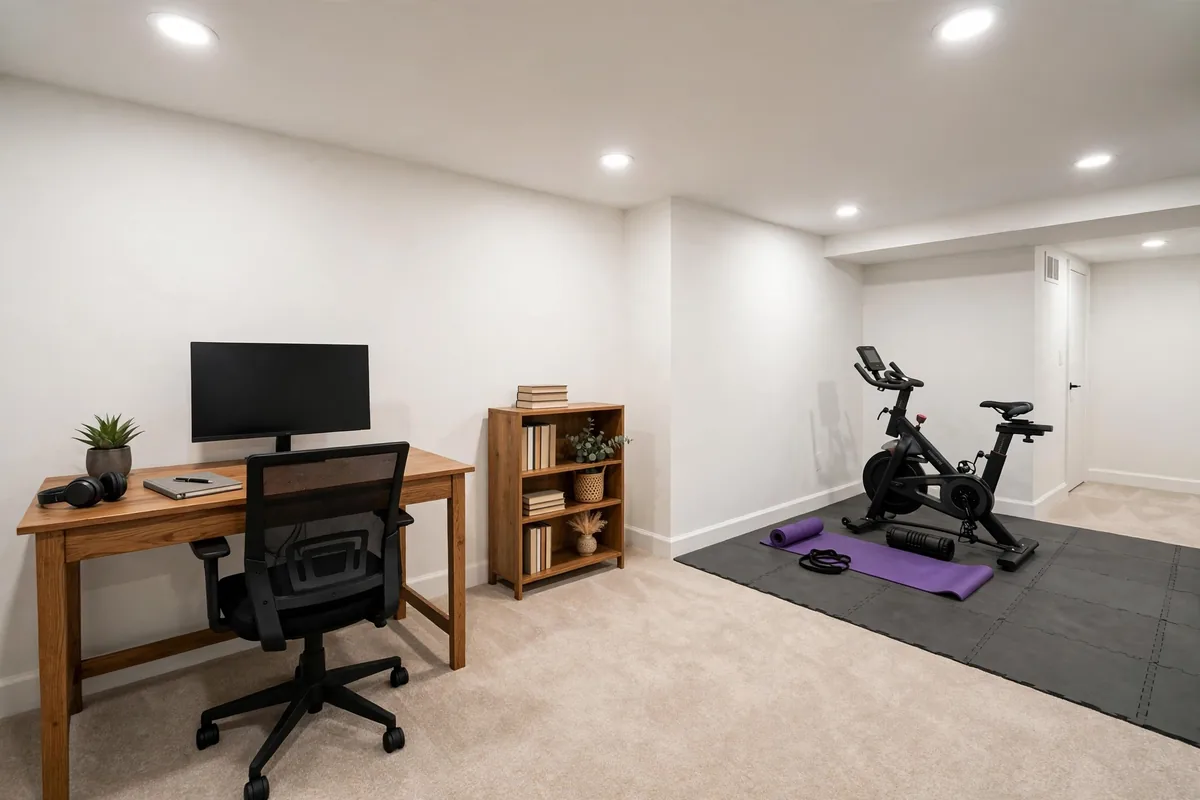
A below-grade family room smells musty every summer. We find elevated moisture behind one finished wall, remove the affected drywall, HEPA-vacuum the framing, dry everything to target levels, and set the homeowner up with a properly sized dehumidifier.
Stains on a top-floor ceiling trace back to ponding water on a flat roof. After the roof is patched, we remediate the attic sheathing, improve ventilation, and verify with clearance testing before closing up.
Wind-driven rain gets behind a bathroom window frame during a nor'easter. We open the affected wall section, remove moldy insulation and drywall, treat the framing, and seal the window properly so it doesn't repeat.
Bayonne's mold year follows the weather off the water. Here's the rhythm we see.
Melting snow and spring rains raise the water table, and basement seepage peaks.
Harbor humidity plus heat keeps indoor moisture high, especially in homes without central air.
Nor'easter season. Wind-driven rain finds every weak window seal and flashing gap.
Cold snaps cause condensation on poorly insulated windows and walls.
Bayonne homes sit through humid summers and rain in every season, and that steady moisture keeps pressure on basements, bathrooms, and exterior walls. When warm air meets cool surfaces, condensation forms, and damp corners give mold a place to start. The National Oceanic and Atmospheric Administration publishes statewide climate data for New Jersey that tracks this same seasonal pattern.
Elite Mold Experts extends its Mold Remediation services beyond Bayonne, covering several nearby cities to ensure complete support for our clients.
Jersey City holds two mold climates, and Elite Mold Experts remediates both.
Local coverage and details
In Elizabeth, a working port town and New Jersey's fourth-largest city, Elite Mold Experts remediates mold shaped by humid air from the Arthur Kill and Newark Bay.
Local coverage and details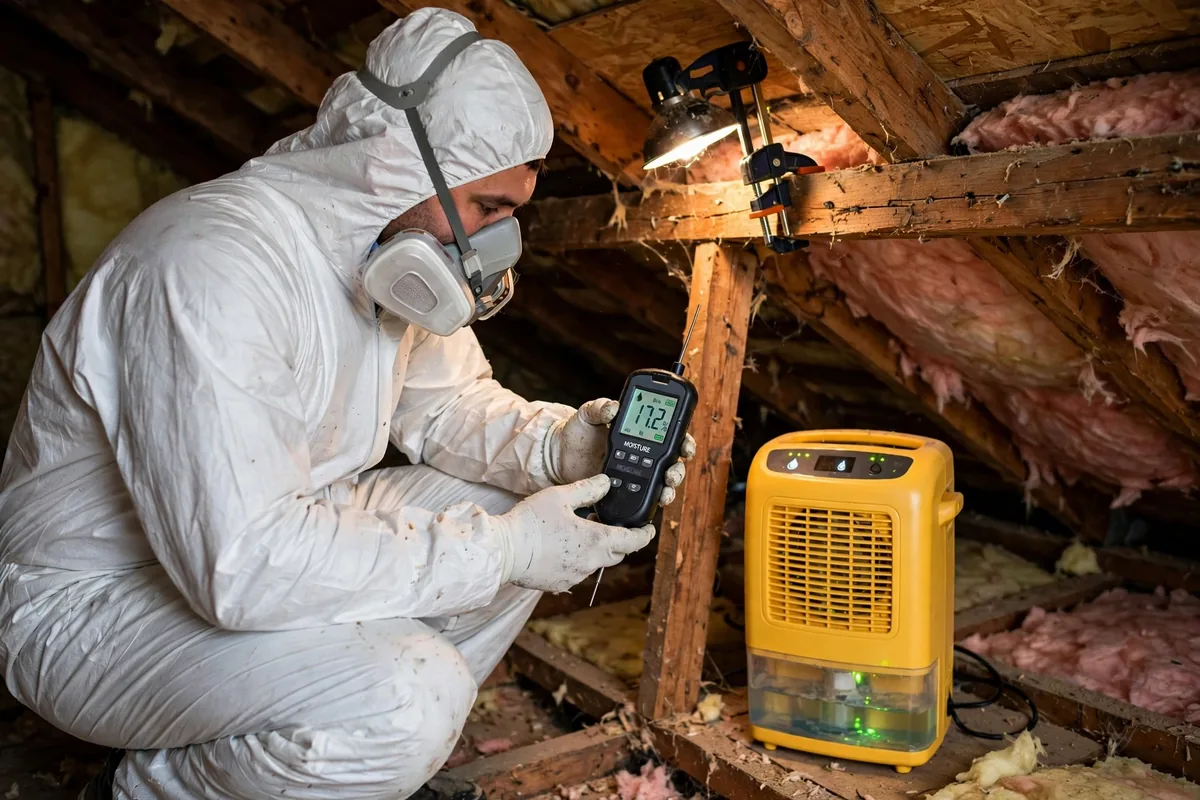
Kearny homeowners get mold remediation from a team that knows brick doubles near the town center, converted industrial spaces by the river, and post-war capes in North Kearny.
Local coverage and details
Harrison's mold problems start with the Passaic River, and Elite Mold Experts remediates homes along its banks.
Local coverage and details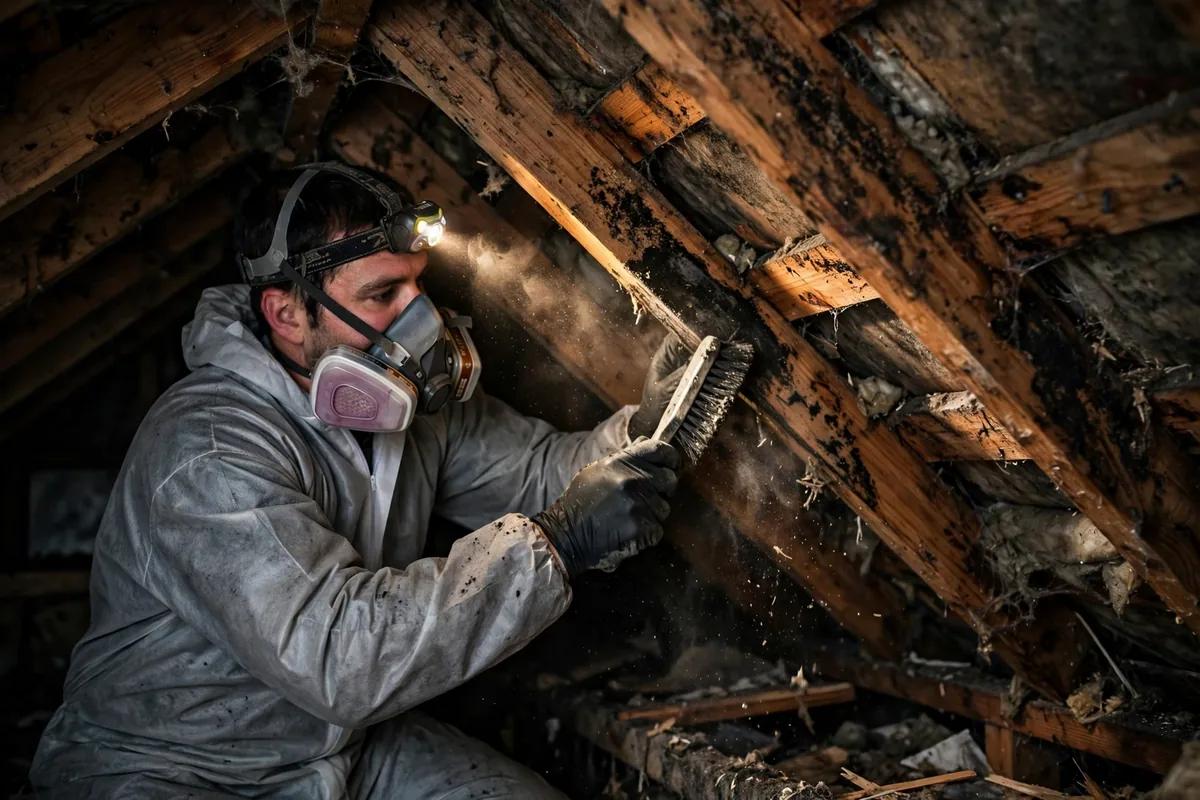
Secaucus fights water first and mold second, and Elite Mold Experts builds remediation for Meadowlands conditions.
Local coverage and details
No two mold calls in Linden look alike, and Elite Mold Experts remediates across that variety.
Local coverage and details
Belleville's pre-war homes carry basements, plaster walls, and aging pipes that give mold steady openings, and Elite Mold Experts remediates them.
Local coverage and details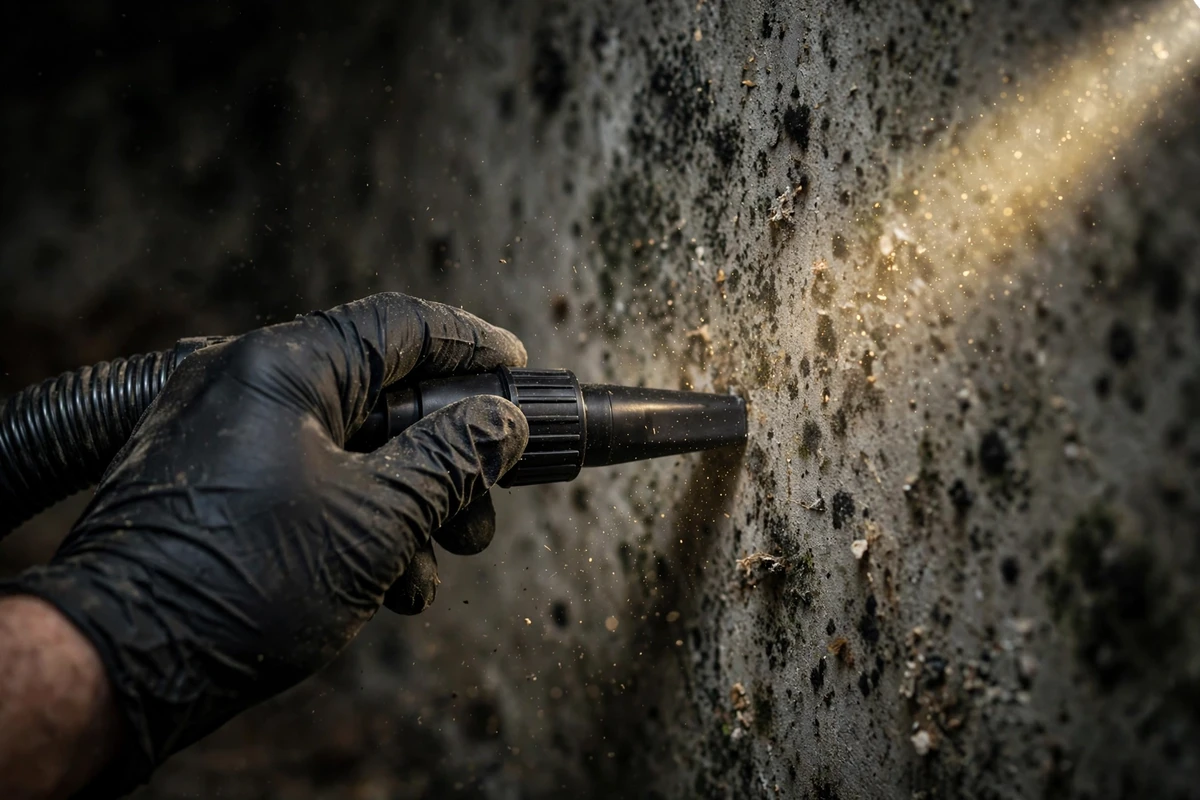
In Bloomfield, Elite Mold Experts remediates mold in Victorians, colonials, and large apartment buildings that each trap moisture in different ways.
Local coverage and detailsZIP codes we serve in Bayonne: 07002
Yes. Bayonne's peninsula geography means a high water table and humid air year-round, so basements here stay damper than inland homes. A sump pump, grading that slopes away from the foundation, and a dehumidifier are the standard defense, and we check all three on every basement visit.
Start behind the obvious: inside wall cavities near old window frames, under flat or low-slope roofs, around plumbing chases, and in any crawl space. Wood framing wicks moisture, so mold often grows inside walls long before it shows. A professional inspection with a moisture meter finds what eyes can't.
They're the biggest single driver. Wind-driven rain forces water behind siding and window frames, and storm surge floods low streets. The key is speed: materials dried within 24 to 48 hours usually avoid mold; after that, assume growth has started and get an inspection.
In New Jersey, landlords are generally responsible for keeping rentals habitable, which includes addressing mold from building issues like leaks or poor ventilation. Document what you see with photos, notify your landlord in writing, and call us, we work with both tenants and property owners.
It can be. When indoor humidity stays above 60% for weeks, common in Bayonne homes without central air, mold grows on dust, drywall, and fabrics with no leak at all. A hygrometer is a simple tool; if you're consistently above 60%, run a dehumidifier.
Question about mold in a Bayonne home? Our team walks through what an inspection checks and what comes next.
Ask the local team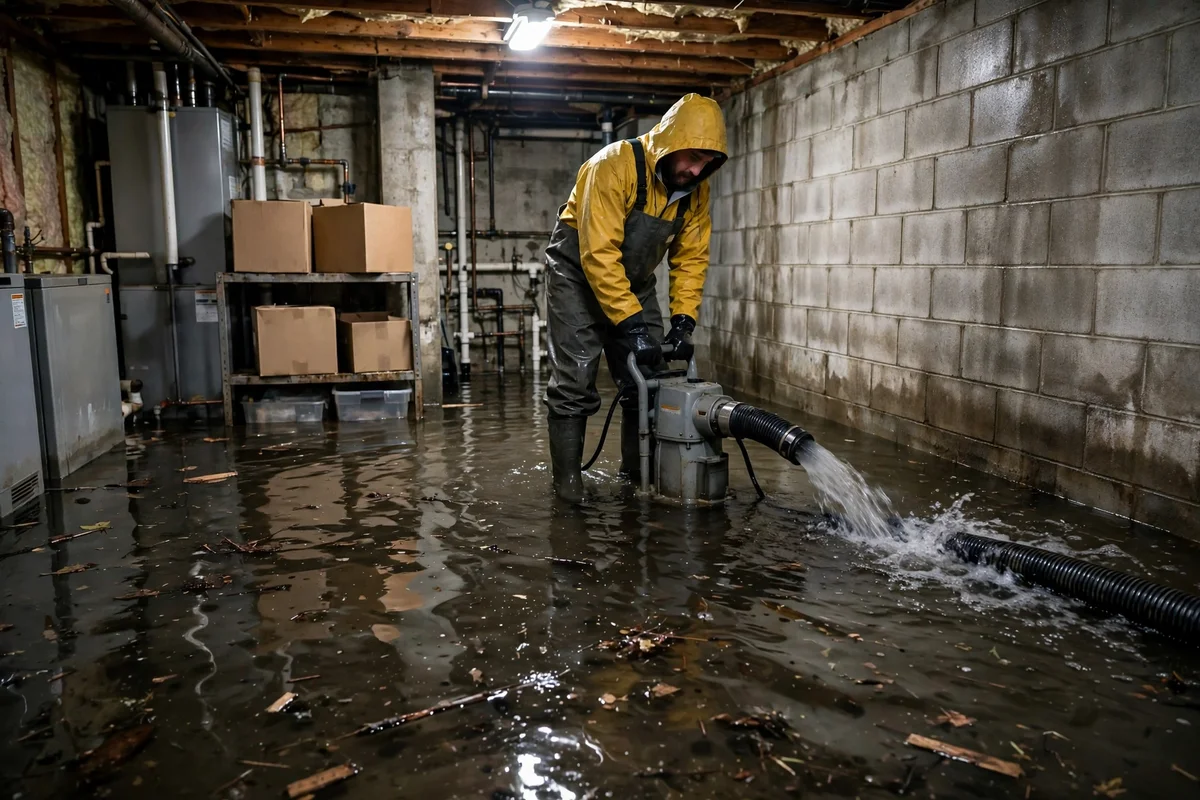
Learn what to do immediately after a basement flood to prevent mold growth in Newark. Essential steps for…
Read article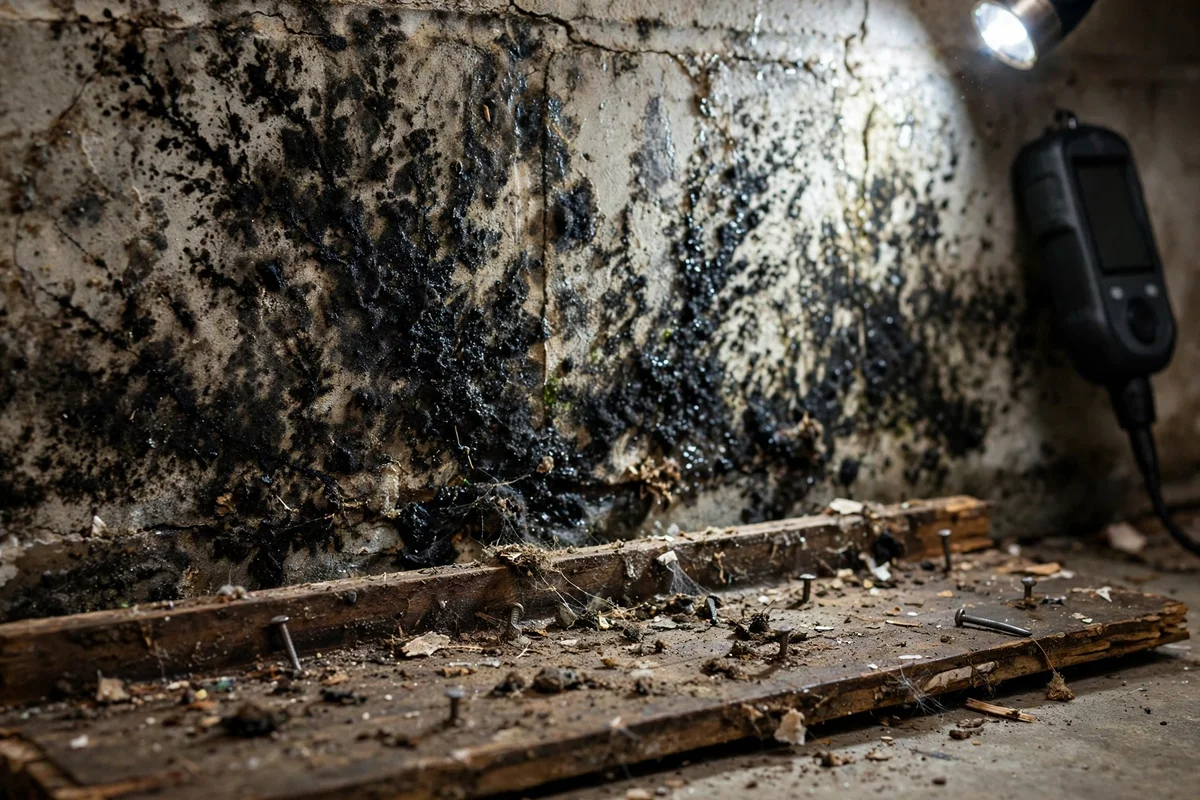
Learn the signs of black mold in basements and when to call a pro for help in Newark.
Read article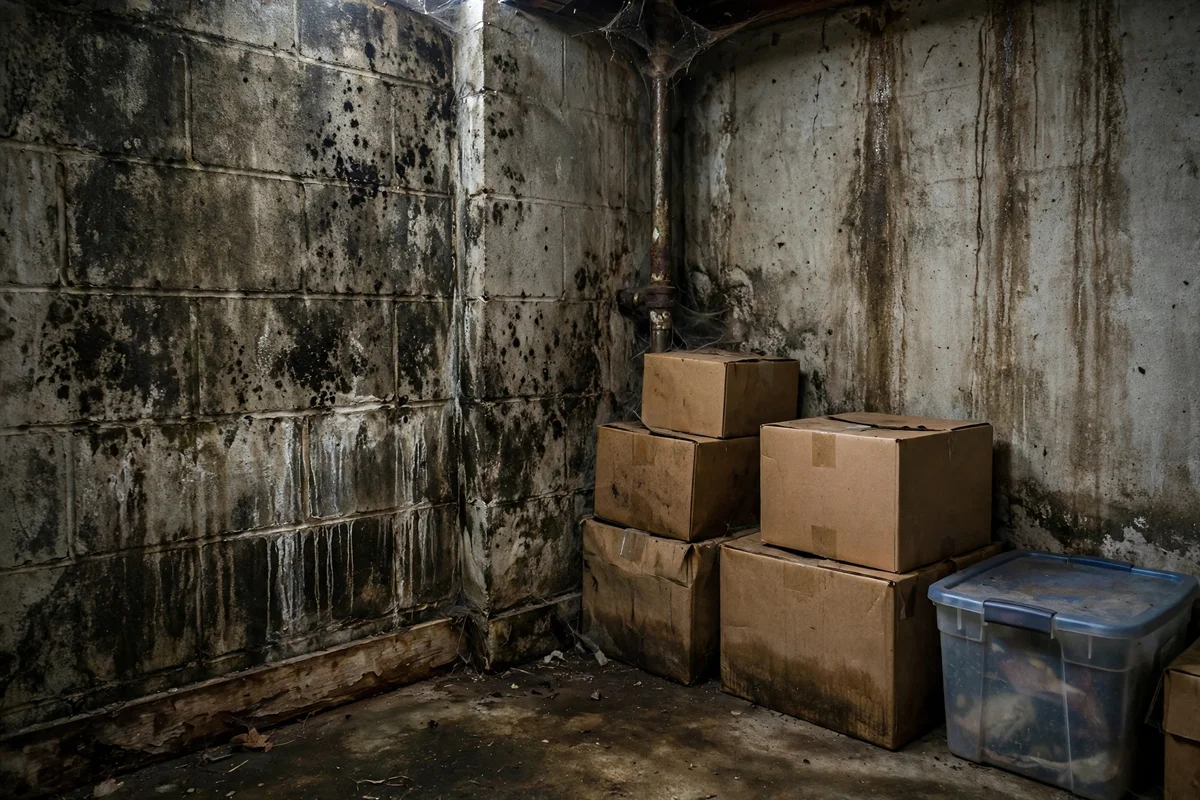
Learn how to get rid of musty smells in an older home basement with effective solutions in Newark, NJ.
Read article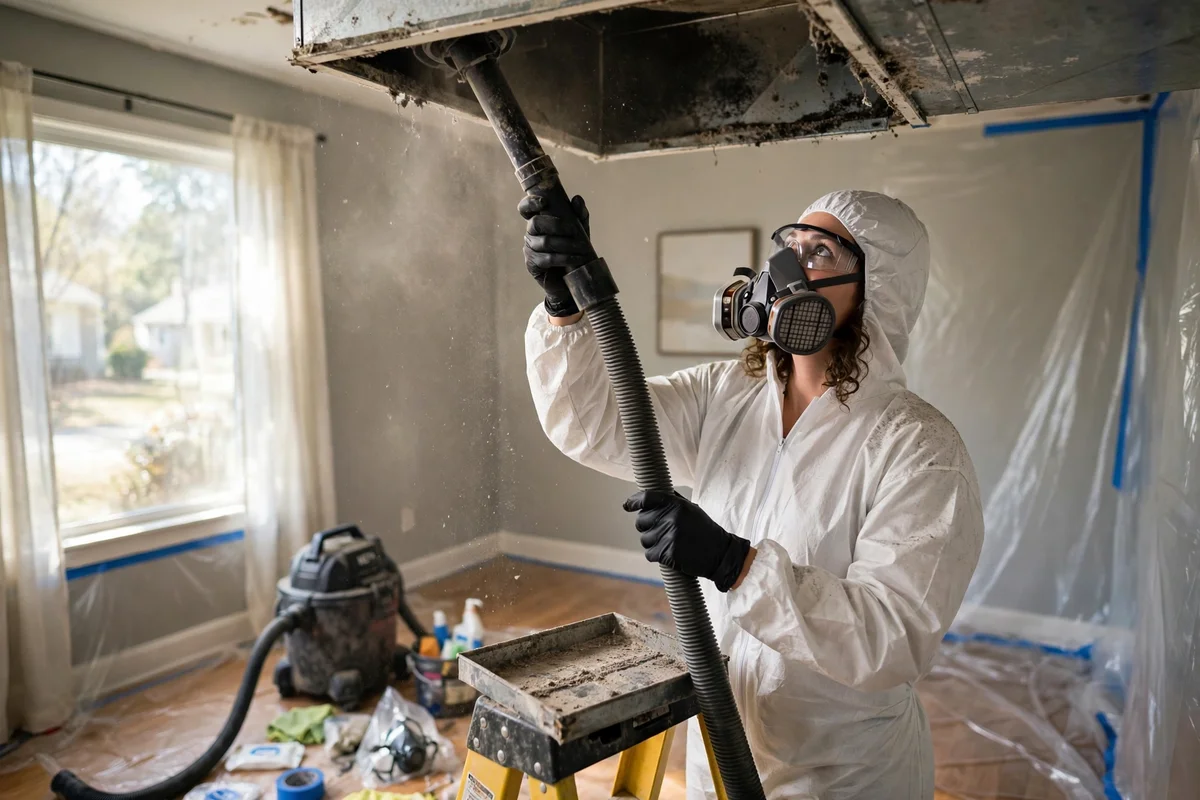
Discover what HVAC air duct cleaning can and cannot do about black mold in Newark. Understand the process…
Read article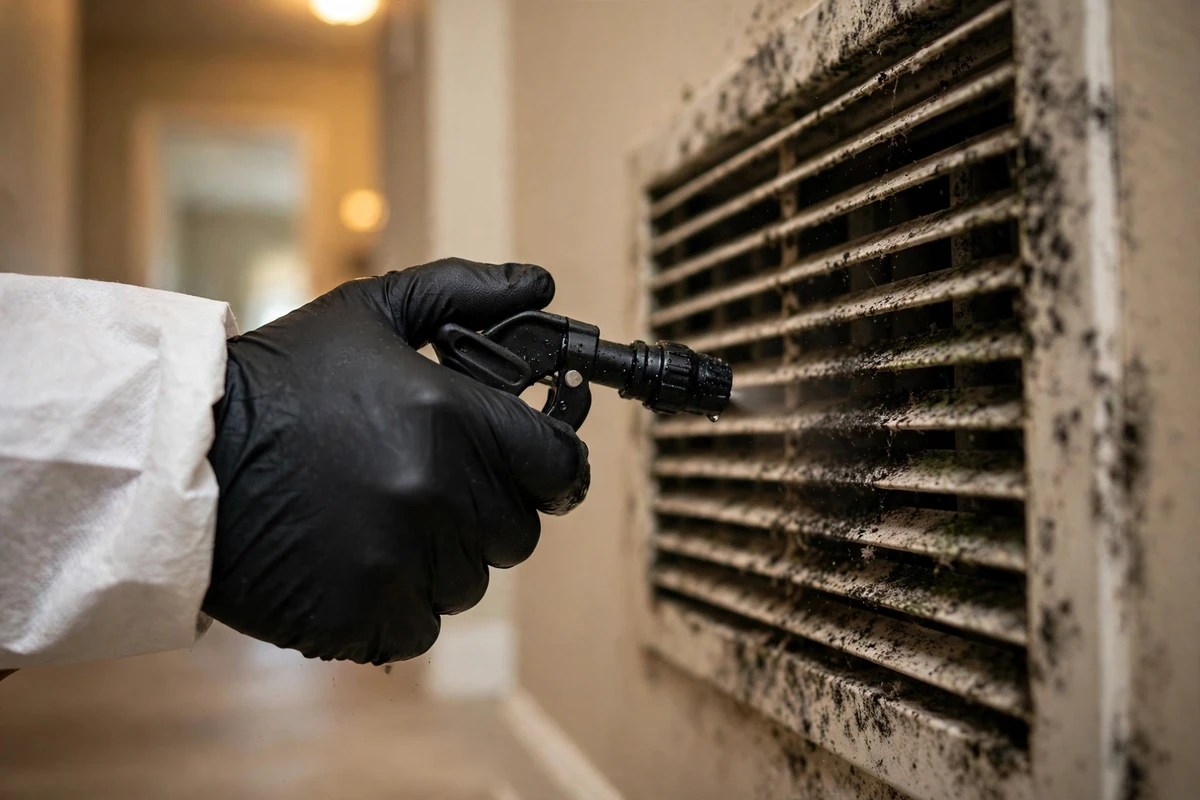
A small patch grows into a large job quickly in New Jersey humidity. Call now and we will set up your inspection.
Call (973) 400-5618