We show up when we say we will
Helpful updates and a clear arrival time.
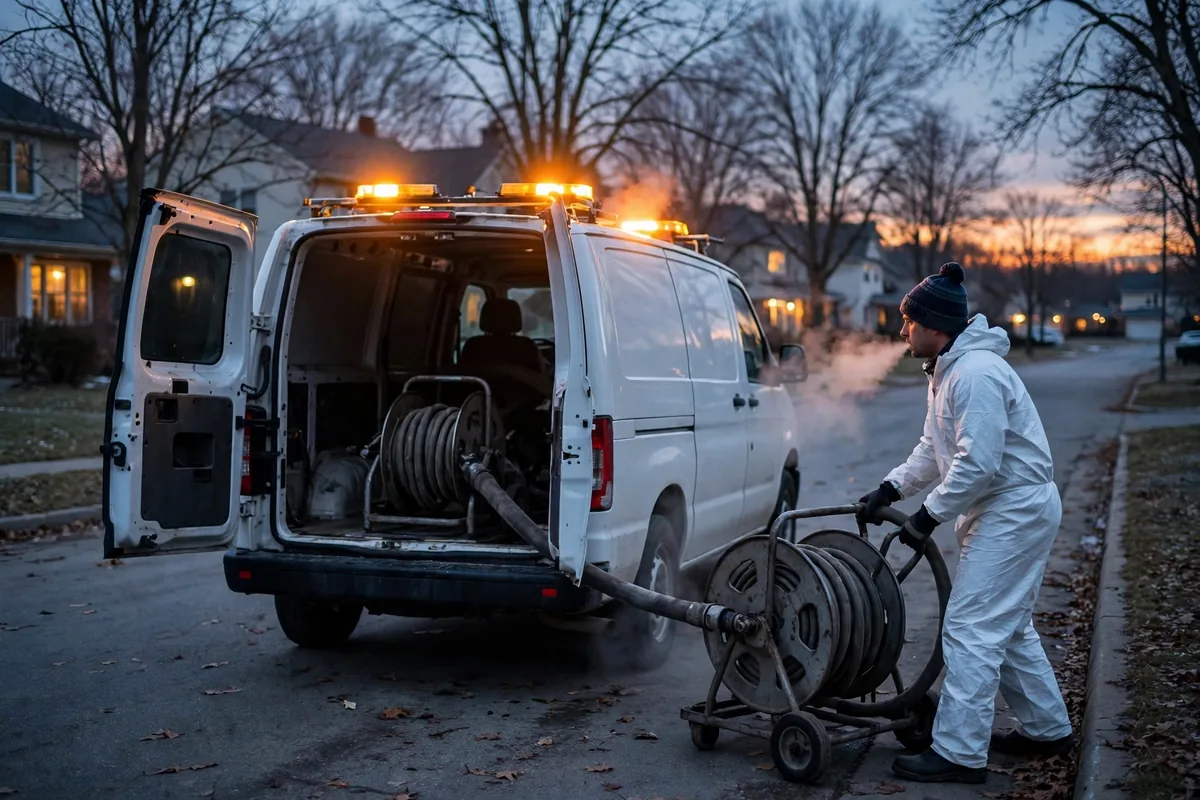
Clifton stretches from busy commercial corridors to quiet streets along the Passaic River, and the river side of town knows water. Flood-prone low areas, humid summers, and a mix of single-family colonials, garden apartments, and multi-family buildings each create different mold problems. Elite Mold Experts inspects, remediates, dries, and documents clean results with clearance testing.
Helpful updates and a clear arrival time.
We show you the approach and plan before you decide.
Trucks stocked for the job and a respectful cleanup.
Local neighbors who follow up and follow through.
| Material | Approach |
|---|---|
| Porous materials that stayed wet too long | Remove |
| Framing and masonry | HEPA-vacuum and treat |
The Passaic River defines Clifton's eastern edge, and when it runs high, nearby basements take the hit. Even away from the river, hot humid summers push indoor moisture up in homes without good ventilation or dehumidification. Clifton's housing mix, single-family colonials, garden apartments, multi-family buildings, means we've seen mold in just about every configuration a house can offer.
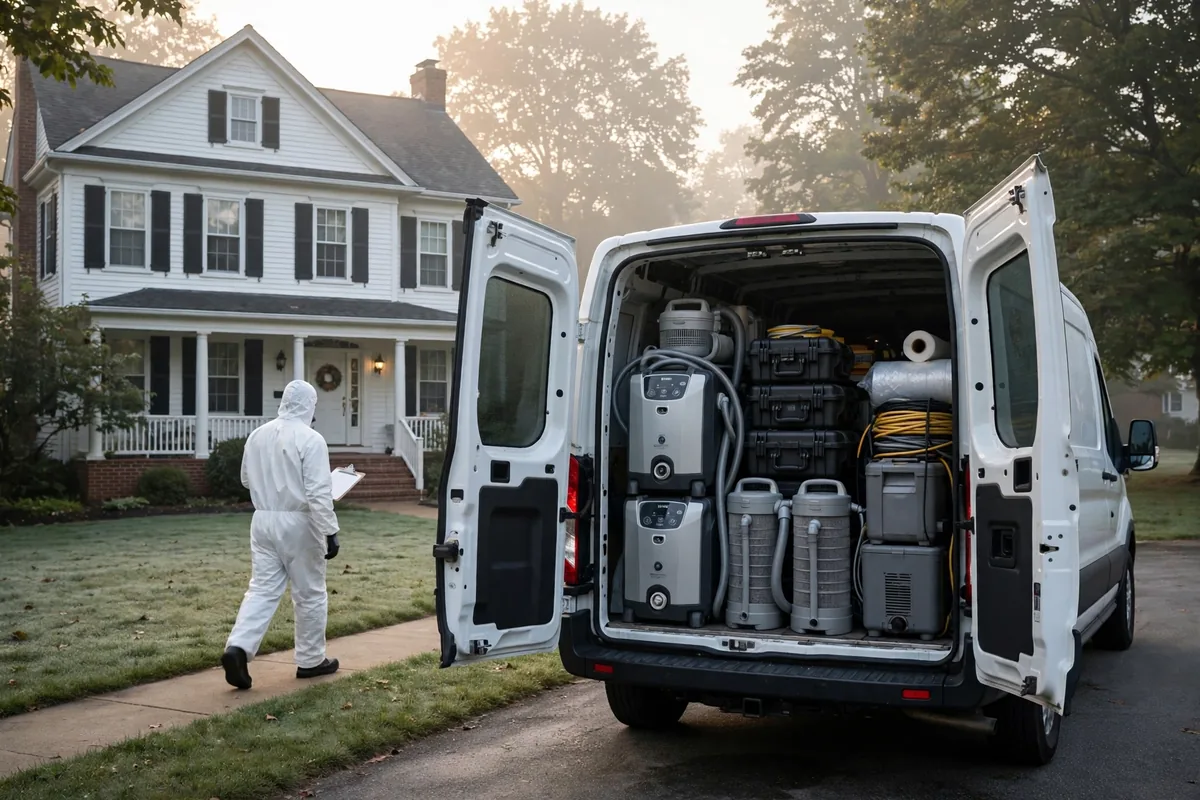
Clifton's climate and building mix create mold problems that differ from street to street. Our range of services meets those needs head on, with prompt response any time you need it.
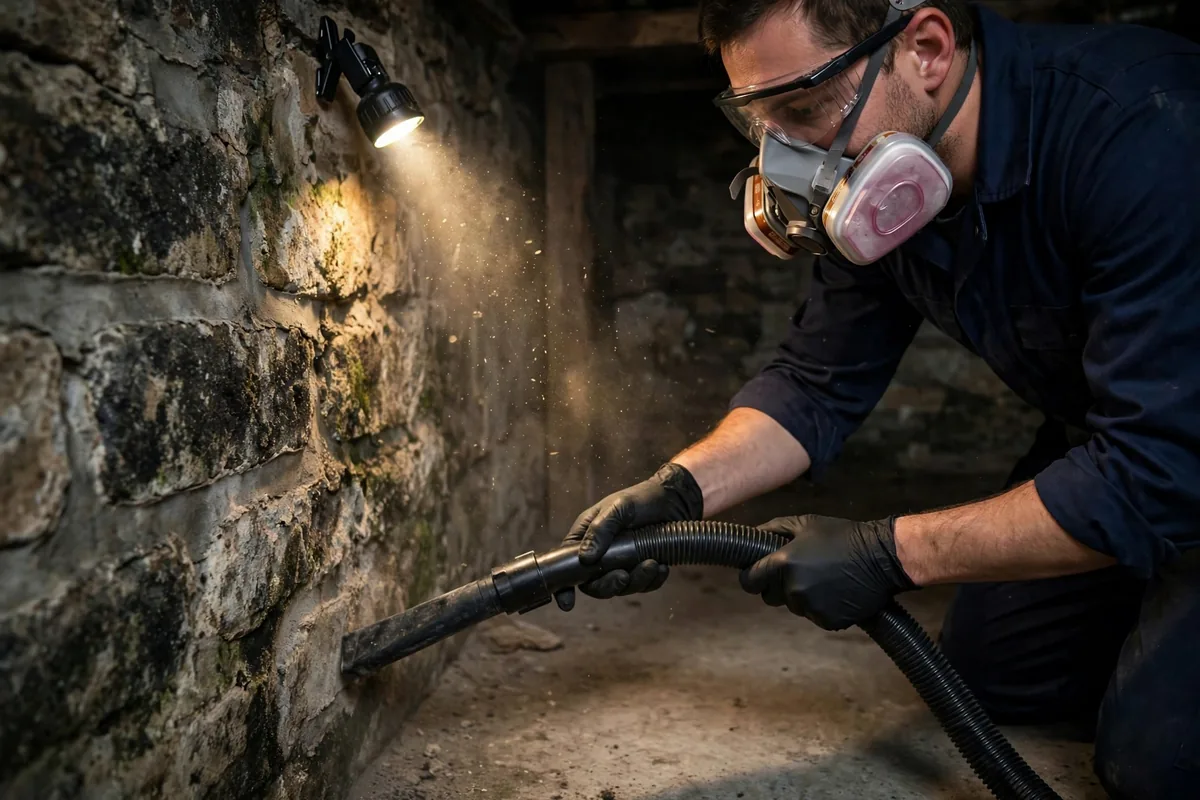
Older Clifton homes take on moisture, and black mold follows. Our crews remove it thoroughly with HEPA vacuums and mold inhibitors, then treat the area to hold regrowth back.
View service →02Moisture meters and thermal imaging cameras help our Clifton inspections find mold sources that stay out of sight. The assessment covers the full property so nothing gets missed.
View service →03Airborne mold spores affect health, and testing reveals what is circulating indoors. We run advanced air scrubbers to lift indoor air quality back up.
View service →04After remediation, clearance testing checks that the home is clear of mold. We follow EPA guidelines so Clifton families get living conditions they can trust.
View service →05Humidity drives heavy mold growth in Clifton basements. Our solutions remove the mold and keep the basement dry and healthy.
View service →06Older buildings bring attic mold with them, and we handle it with ventilation and moisture control. Proper airflow keeps the growth from returning.
View service →07Moisture collects in crawl spaces, and this often-overlooked area needs real protection. Dehumidifiers and sealants dry it out and guard it.
View service →08Bathrooms in Clifton stay moisture-prone, so we target those rooms directly. Mold inhibitors plus better ventilation keep the bathroom safe and clean.
View service →09Indoor air quality rests on a clean HVAC system. We clear mold from your system so the air in your Clifton home stays healthy.
View service →Flood job or mystery smell, the process follows the same disciplined steps.
In Clifton we always ask about flooding history first, river floods, street flooding, sump failures. The water story tells us where to look and how far the damage may have spread.
Porous materials that stayed wet too long get removed; framing and masonry get HEPA-vacuumed and treated. We don't sell you replacement you don't need.
We track moisture readings until framing and drywall hit target dryness, then offer clearance testing. You get documentation, not just our word.
Three forces drive most Clifton mold calls.
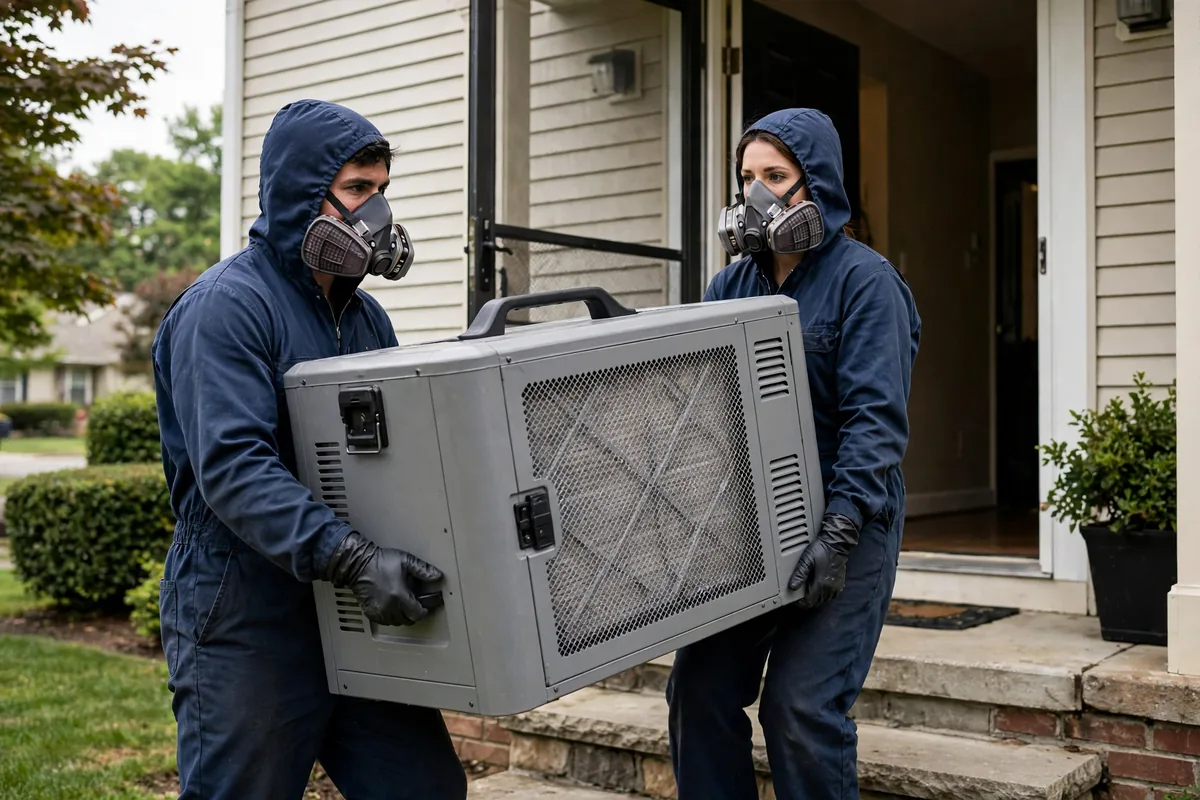
Low areas near the Passaic take on water during heavy rain events. Floodwater soaks drywall, insulation, and flooring, and mold starts within days if drying lags.
Crawl spaces, attics, and basements without dehumidification sit above 60% humidity all summer. Mold doesn't need a leak when the air itself is wet.
Shared supply and drain lines in Clifton's multi-family stock develop slow leaks at joints. Water travels inside walls and affects units far from the source.
Commercial corridors and apartment buildings with flat roofs develop ponding that finds seams. The leak shows up rooms away from where water enters.
In Clifton, mold conversations start with the Passaic River. It borders the city's east side, and its moods set the agenda for thousands of basements.
The Passaic defines Clifton's east side, and nearby neighborhoods sit in its floodplain. When heavy rains swell the river, groundwater rises with it, basements seep even without surface flooding.
Certain low-lying streets flood first and drain last. If your block has a flooding history, assume your basement does too: keep valuables off the floor, know where your main water shutoff is, and have a drying plan before storm season.
Clifton summers run hot and sticky, and the urban heat island keeps nights warm. Air conditioners that are oversized or poorly maintained cool without dehumidifying, leaving rooms clammy and mold-friendly.
From single-family colonials to large garden-apartment complexes, Clifton's buildings span a century of construction styles. Each era has its weak points, we see them all, and we know what to check in each.
Athenia, Botany Village, and Allwood each mix housing ages in their own way. We plan every job around what those blocks tend to hide.
Clifton Town Center features many older buildings, making it prone to mold issues. Our team is know this area's mold issues. We can respond quickly to calls in this busy area, ensuring timely service.
Clifton Heights has a mix of residential and commercial properties, creating diverse mold challenges. Our tailored approach ensures effective solutions for all types of buildings. Our team is always nearby, allowing for rapid response times.
Clifton Park is known for its green spaces and older homes that may harbor mold. We focus on preventive measures to keep this neighborhood healthy. With our local office, we can reach Clifton Park residents quickly.
Botany Village features charming homes that are susceptible to humidity-related mold growth. Our expert services help maintain safe living conditions. We're just minutes away, ready to assist residents in need.
Typical Clifton scenarios, minus anyone's personal details.
A basement near the Passaic took on several inches during a heavy rain event. We extracted water, removed soaked drywall and insulation, dried the framing to target levels, and the homeowner installed a battery-backup sump pump before the next storm.
Ground-floor units stayed musty all summer despite no leaks, indoor humidity was the culprit. We cleaned surface mold, and the fix was environmental: a right-sized dehumidifier and better ventilation dropped humidity into the safe zone.
A second-floor bathroom supply line wept inside a wall, and mold appeared in the unit below. We traced it with moisture meters, opened only what was necessary, remediated both areas, and coordinated with building management on the plumbing repair.
The river and the heat take turns. Here's the annual pattern.
Snowmelt plus spring rains swell the Passaic, flood risk peaks.
Heat and humidity team up; unconditioned spaces stay damp for months.
Tropical remnants can dump inches of rain fast.
Freeze-thaw cycles crack old masonry and flashing.
Clifton homes face humid summer air and precipitation across all four seasons, which keeps indoor moisture levels up through most of the year. Bathrooms, laundry rooms, and below-grade spaces collect the most damp, and mold follows moisture wherever it settles. The National Oceanic and Atmospheric Administration tracks statewide climate data for New Jersey across all four seasons.
Elite Mold Experts extends its Mold Remediation services beyond Clifton, reaching neighboring cities to ensure complete coverage for residents.

Postwar capes, colonials, and split-levels shape mold work in Nutley, and Elite Mold Experts tunes each job to the house.
Local coverage and details
In Bloomfield, Elite Mold Experts remediates mold in Victorians, colonials, and large apartment buildings that each trap moisture in different ways.
Local coverage and details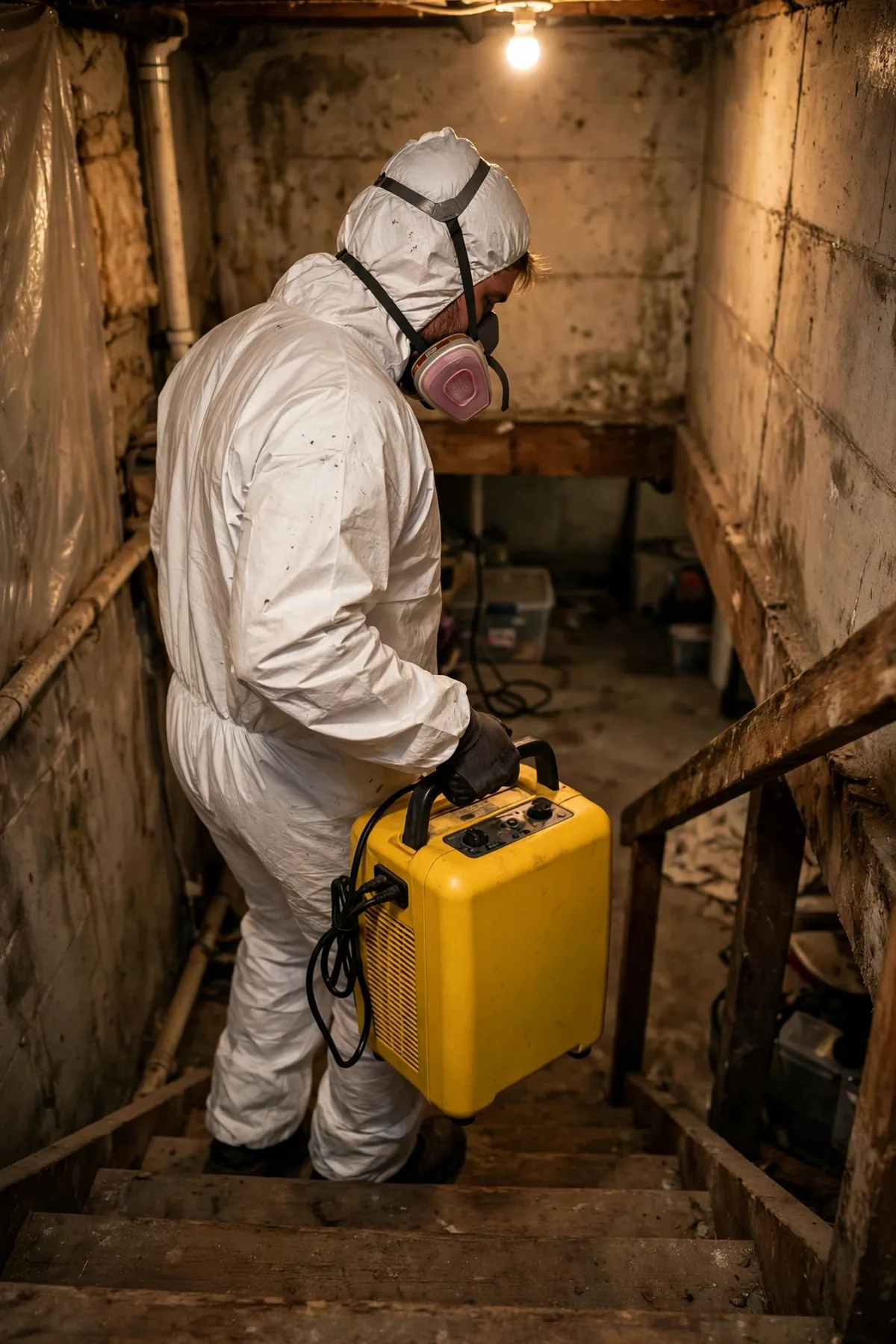
Lyndhurst mold work starts with water, and Elite Mold Experts addresses moisture before mold.
Local coverage and details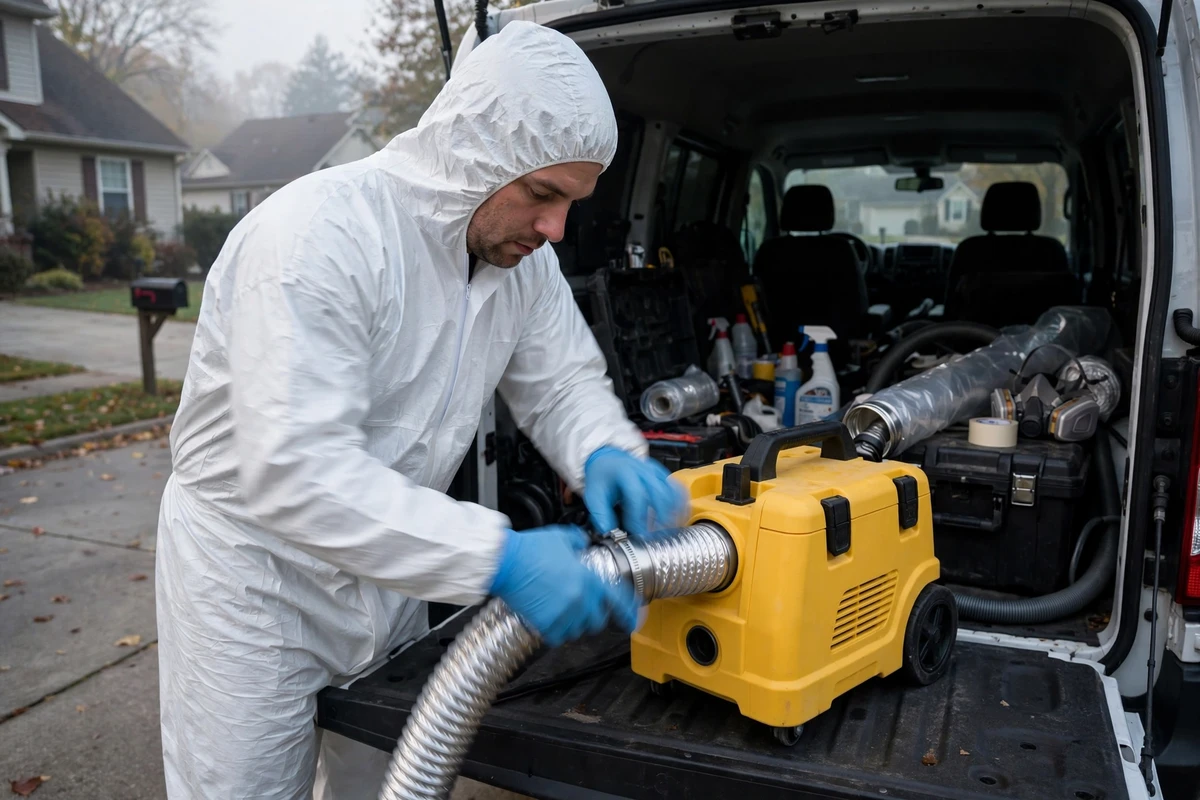
Montclair's Victorians, 1920s colonials, and carriage houses need mold remediation matched to century-old construction, and Elite Mold Experts provides it.
Local coverage and details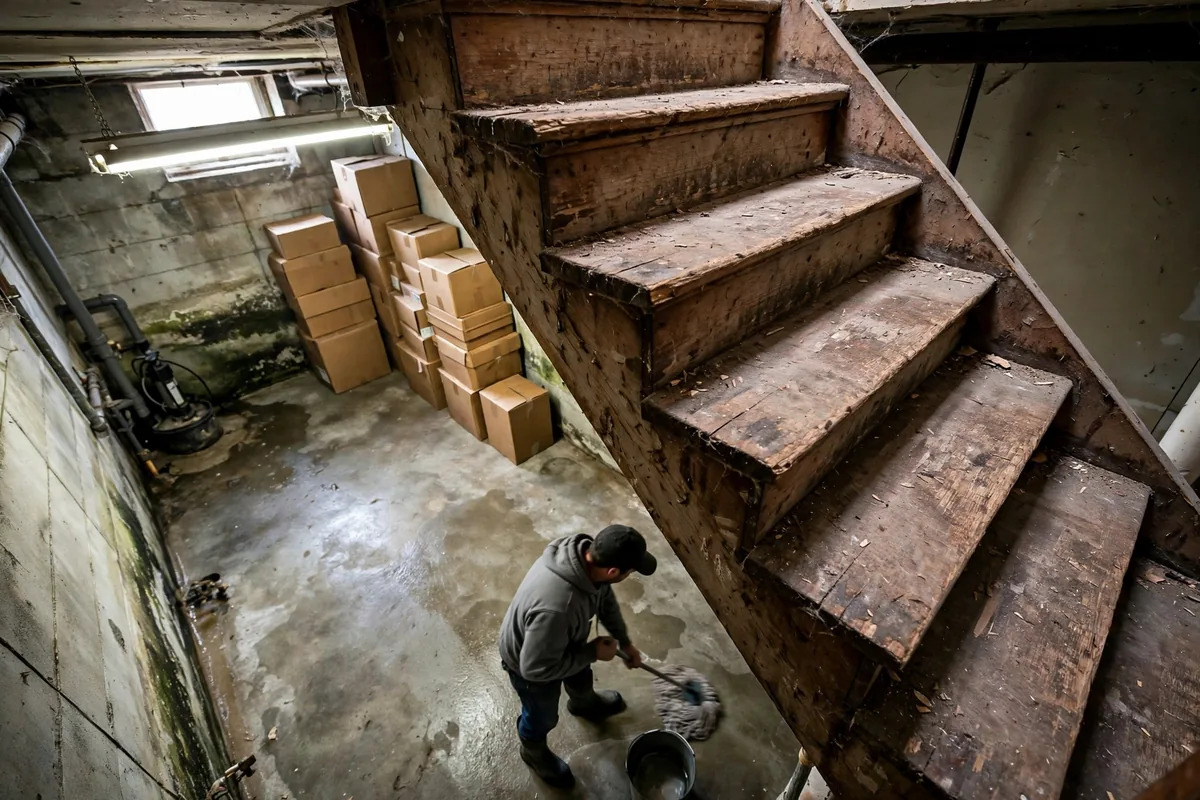
North Arlington's ridge above the Passaic River shapes every mold job, and Elite Mold Experts remediates with that geography in mind.
Local coverage and details
Belleville's pre-war homes carry basements, plaster walls, and aging pipes that give mold steady openings, and Elite Mold Experts remediates them.
Local coverage and details
Yes, Elite Mold Experts remediates mold in Bayonne, where a narrow peninsula with water on three sides keeps air humid and the water table high.
Local coverage and details
Brick apartment buildings and multi-family blocks drive mold work in East Orange, where dense construction and hot summers trap moisture.
Local coverage and detailsZIP codes we serve in Clifton: 07011070120701307014
Speed is everything: get standing water out and start drying within 24 to 48 hours. Porous materials like carpet, pad, and soaked drywall usually need to go; framing can typically be dried and treated. Run fans and dehumidifiers continuously, and don't rebuild until moisture readings confirm the structure is dry.
Yes. When indoor humidity stays above 60%, common in basements, crawl spaces, and poorly ventilated apartments during July and August, mold grows without any leak. A dehumidifier and a basic hygrometer are the two best steps for a Clifton home.
Flood cleanup removes water, mud, and ruined materials. Mold remediation addresses the microbial growth that follows, or that was already there. After any significant flooding, you typically need both, in that order: dry first, then remediate.
Common-area mold is generally the property owner's responsibility in New Jersey. Document conditions with photos, notify management in writing, and make sure any remediation includes fixing the moisture source, otherwise it returns. We regularly coordinate access and scheduling with building managers.
Bleach whitens the surface but doesn't kill mold roots in porous materials like wood and drywall, and it adds moisture, which mold appreciates. Small surface spots on tile or glass are fine to wipe; anything in drywall, insulation, or framing needs proper removal.
No answer here for a Clifton home? Our team covers how mold gets checked and what remediation involves.
Ask the local team
Suspect mold inside your walls? Learn 7 ways to detect hidden wall mold, smells, moisture meters, thermal…
Read article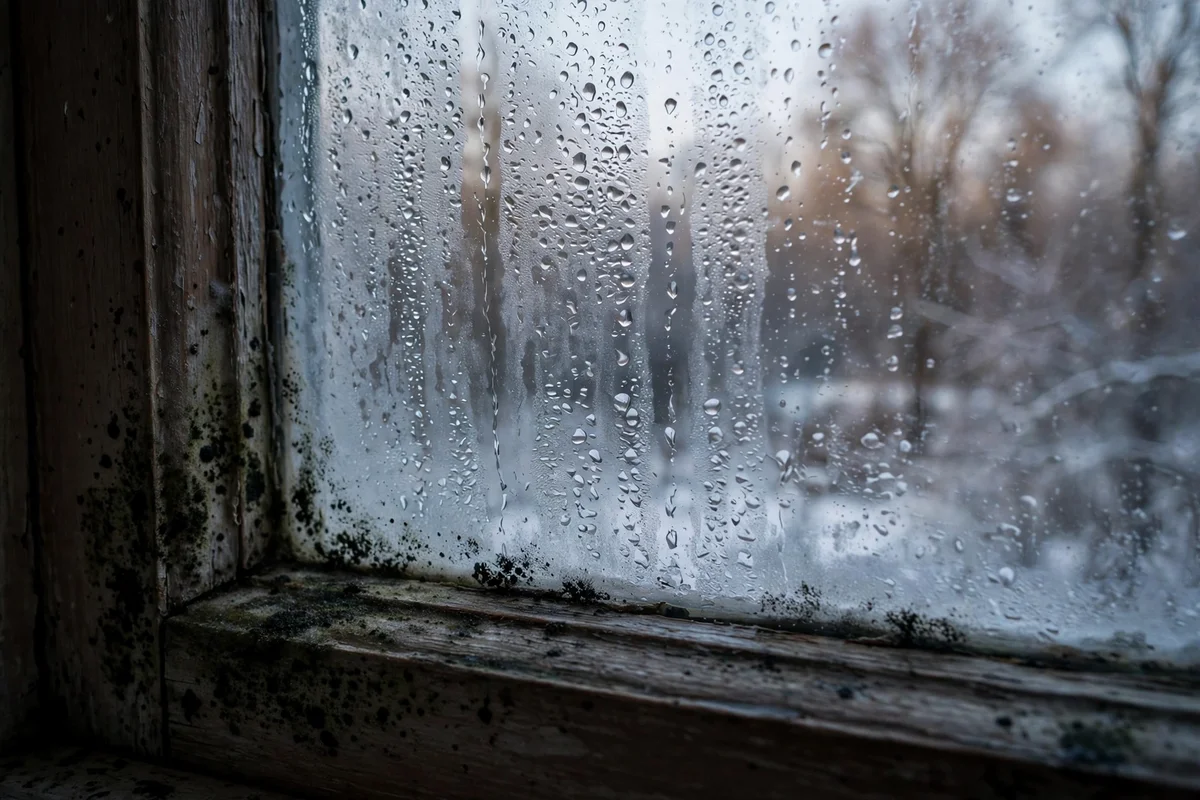
Why does mold spike every winter in New Jersey? Learn how condensation forms, the 5 spots to check, and…
Read article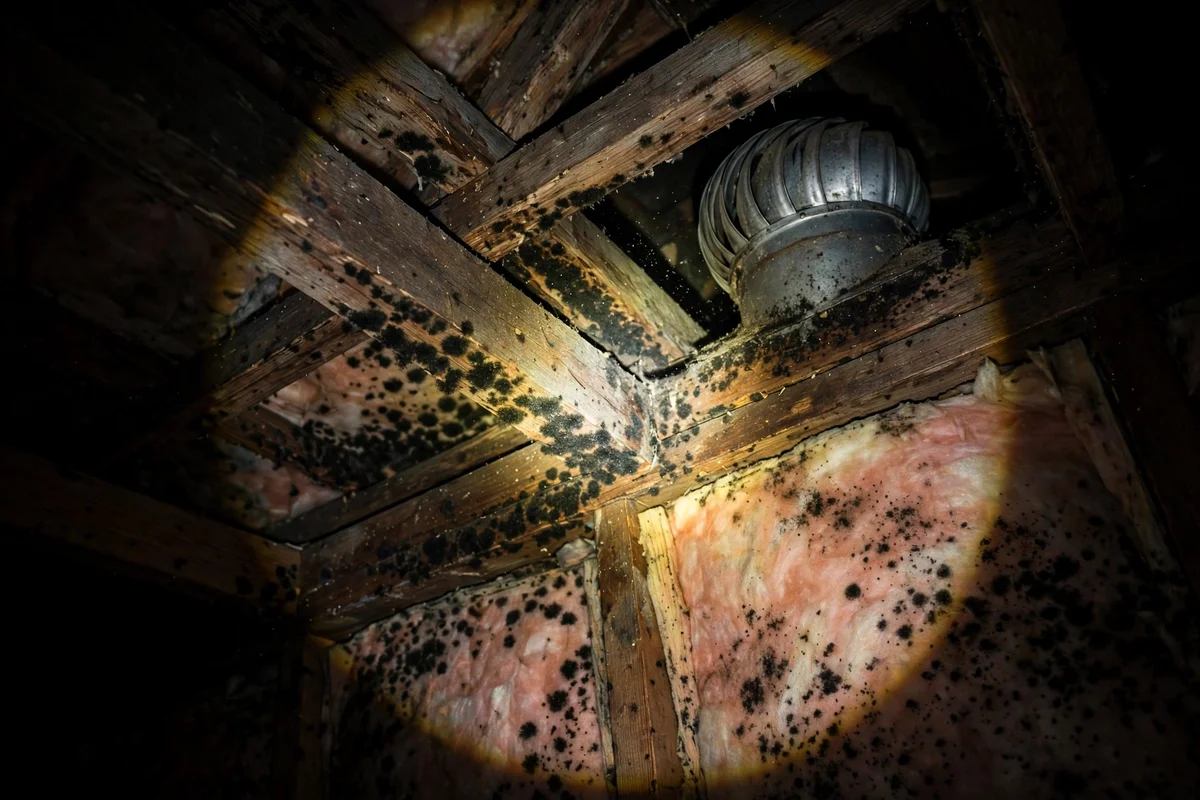
Discover the top causes of hidden attic mold in Newark homes and learn how to prevent it effectively.
Read article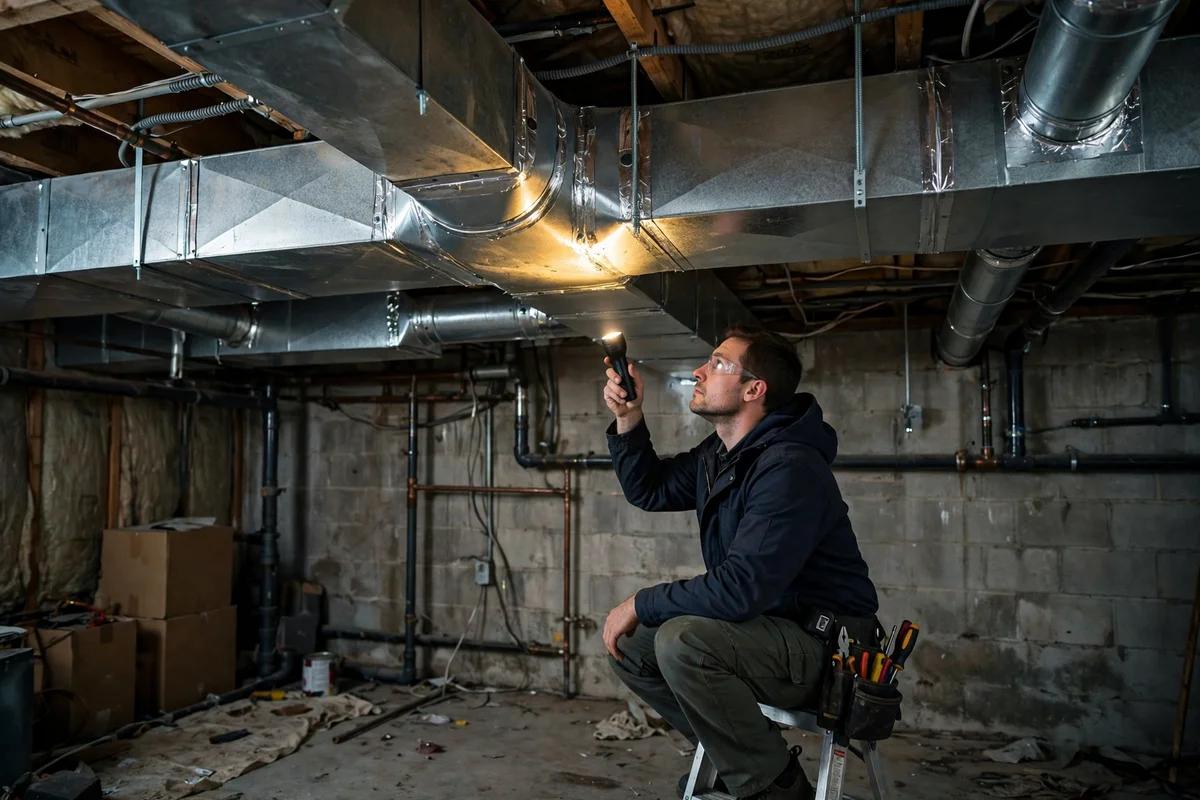
Discover what HVAC air duct cleaning can and cannot do about black mold in Newark. Understand the process…
Read article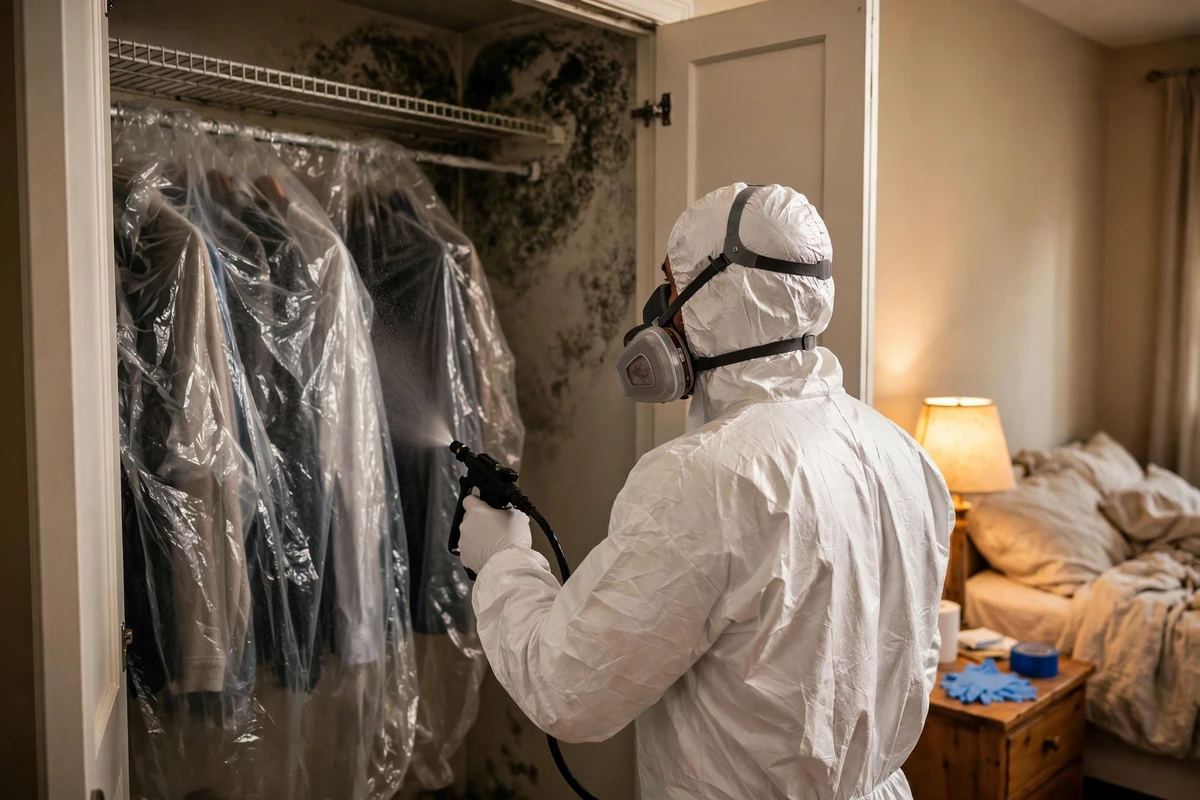
Small spots grow into big jobs fast in New Jersey humidity. Call now and we will arrange your inspection.
Call (973) 400-5618