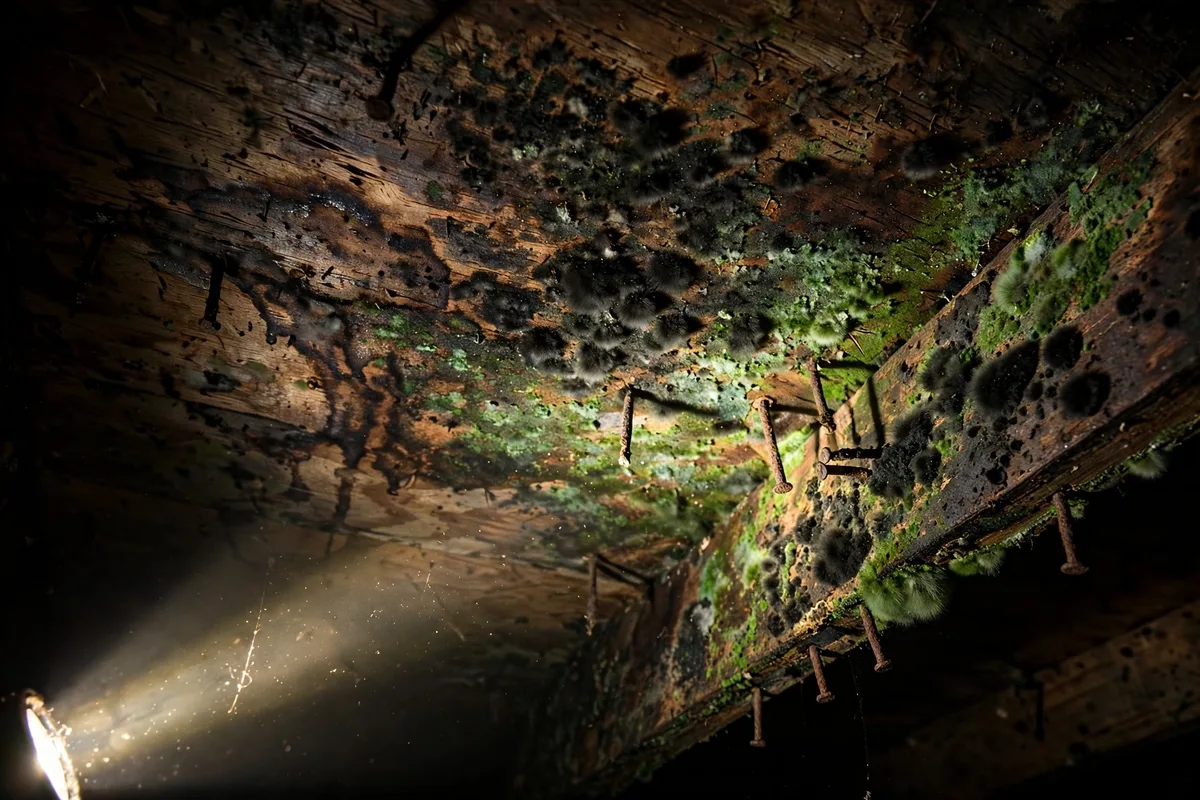
Top Causes of Hidden Attic Mold in North Jersey Homes
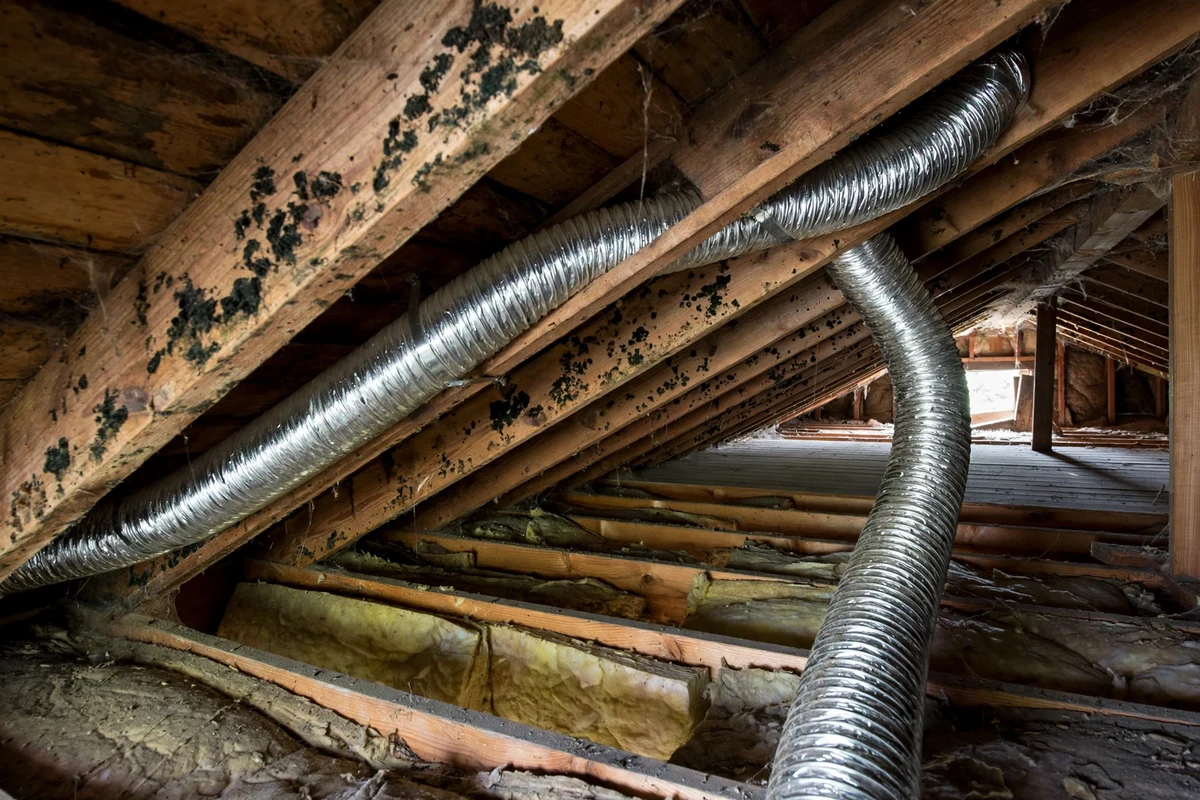
Hidden attic mold in North Jersey usually traces back to bathrooms venting into the attic, blocked soffit vents, or a slow roof leak feeding plywood for months. Poor ventilation traps moisture, and condensation then settles on cold surfaces; check for stale odors, stains, and damp insulation, and act early, since quiet attic growth can damage structure before anyone notices it.
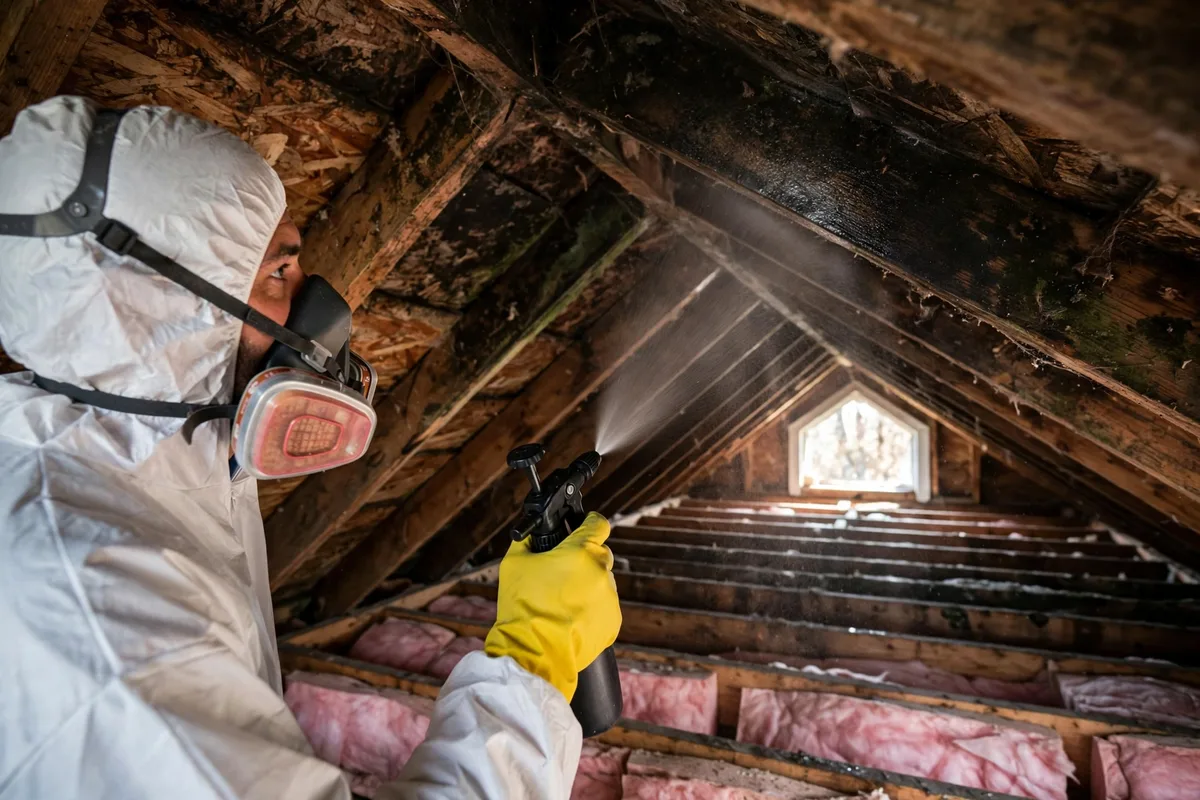
Attics are where mold hides longest, nobody goes up there until something smells wrong or a roof leak forces the issue. In North Jersey's older homes, it's usually the same few culprits: bathrooms venting straight into the attic, blocked soffit vents, or a slow roof leak that's been feeding plywood for months. Here's what to look for before it turns into a real job.
Understanding the causes of hidden attic mold is important for homeowners. Mold thrives in damp, dark environments, making attics a perfect breeding ground. In Newark, where humidity levels can rise, being aware of these factors can help mitigate risks.
What is Hidden Attic Mold?
Hidden attic mold is a type of mold growth that develops in the attic spaces of homes, often going unnoticed until it causes significant damage. It can produce allergens and irritants, posing health risks to occupants.
What Causes Attic Mold in Newark?
Several factors contribute to attic mold growth in Newark. The most common causes include:
- Poor ventilation
- Excessive humidity
- Roof leaks
- Insulation issues
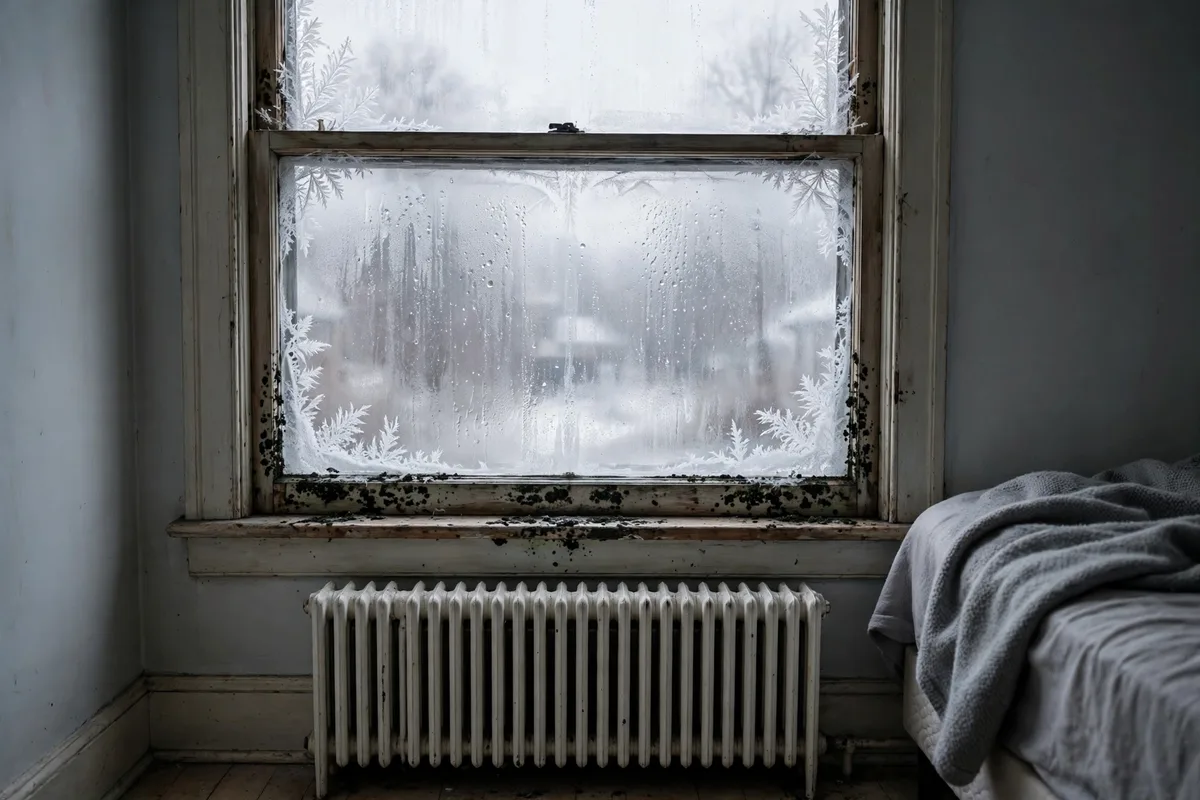
Each of these factors can create an environment conducive to mold growth. For instance, inadequate ventilation can trap moisture, leading to condensation on surfaces.
Signs of Hidden Mold in Attics Newark NJ
Identifying hidden mold in attics can be challenging. Look for these signs:
- Musty odors
- Discoloration on wood surfaces
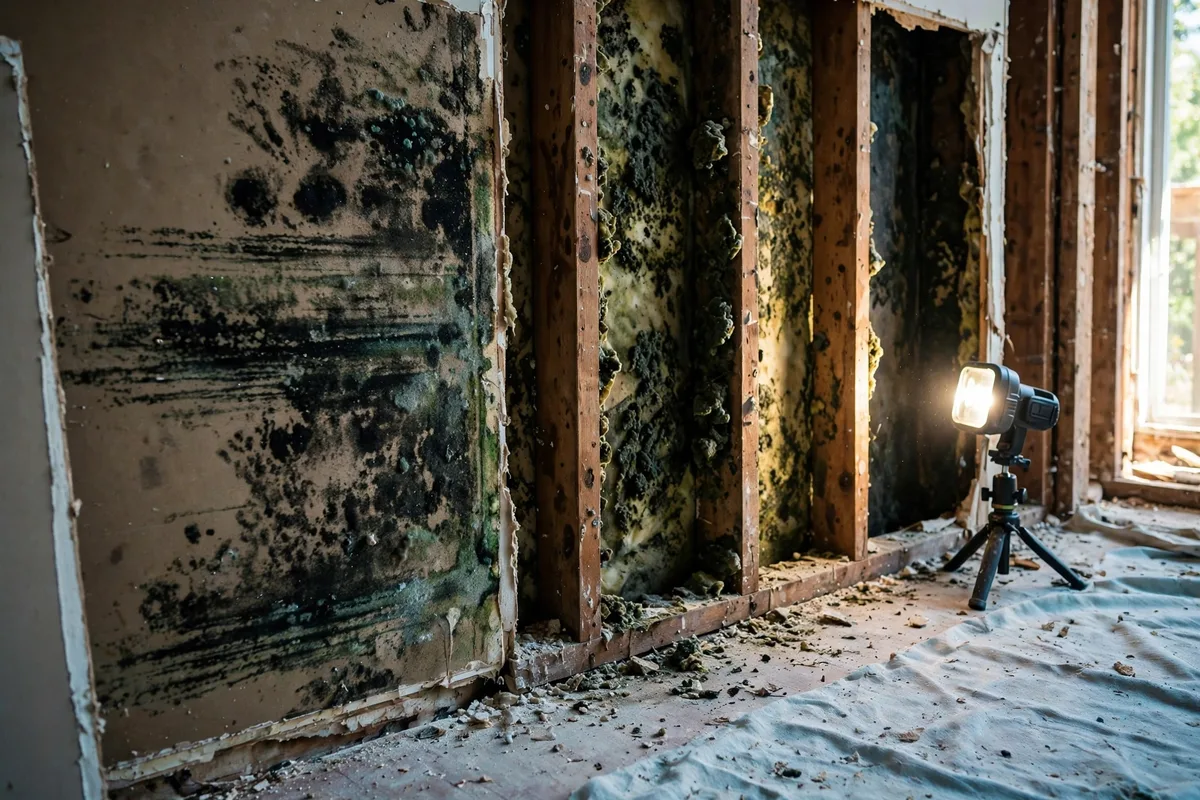
- Visible mold growth
- Increased allergy symptoms among occupants
If you notice any of these signs, it's essential to investigate further. Early detection can prevent more extensive damage and costly remediation.
Common Reasons for Attic Mold Newark
In Newark, specific conditions can exacerbate the risk of attic mold:
- High Humidity Levels: Newark experiences humid summers, which can lead to moisture accumulation in attics.
- Old Roofs: Many homes in Newark have aging roofs that may be prone to leaks, allowing water to enter the attic.
- Improper Insulation: Insufficient or improperly installed insulation can lead to temperature imbalances, promoting condensation.
Addressing these issues is important for preventing hidden mold problems.
Best Practices to Prevent Attic Mold in North Jersey
Preventing attic mold requires proactive measures:
- Ensure proper ventilation by installing vents or exhaust fans.
- Regularly inspect the roof for leaks and repair them promptly.
- Maintain humidity levels below 50% using dehumidifiers.
- Check insulation to ensure it's installed correctly and isn't damp.
Implementing these best practices can significantly reduce the risk of mold growth.
When to Call a Professional
If you suspect hidden mold in your attic, it's wise to contact a professional. Elite Mold Experts can conduct a thorough Mold Inspection & Testing Newark NJ to identify the extent of the problem and recommend appropriate remediation strategies.
For readers in Elizabeth, Linden, and Union Township, the town pages explain which local conditions push attic mold along.