How to Clean Mold From Bathroom Grout Without Damaging Tiles
Gentle cleaning removes mold from bathroom grout without harming tiles when you ventilate, apply solution, scrub, rinse, and dry. Spray solution on the grout, let it sit ten to fifteen minutes, scrub lines with a stiff brush, rinse with warm water, and towel the area dry; skip bleach, since it often fails to penetrate grout and can invite regrowth.
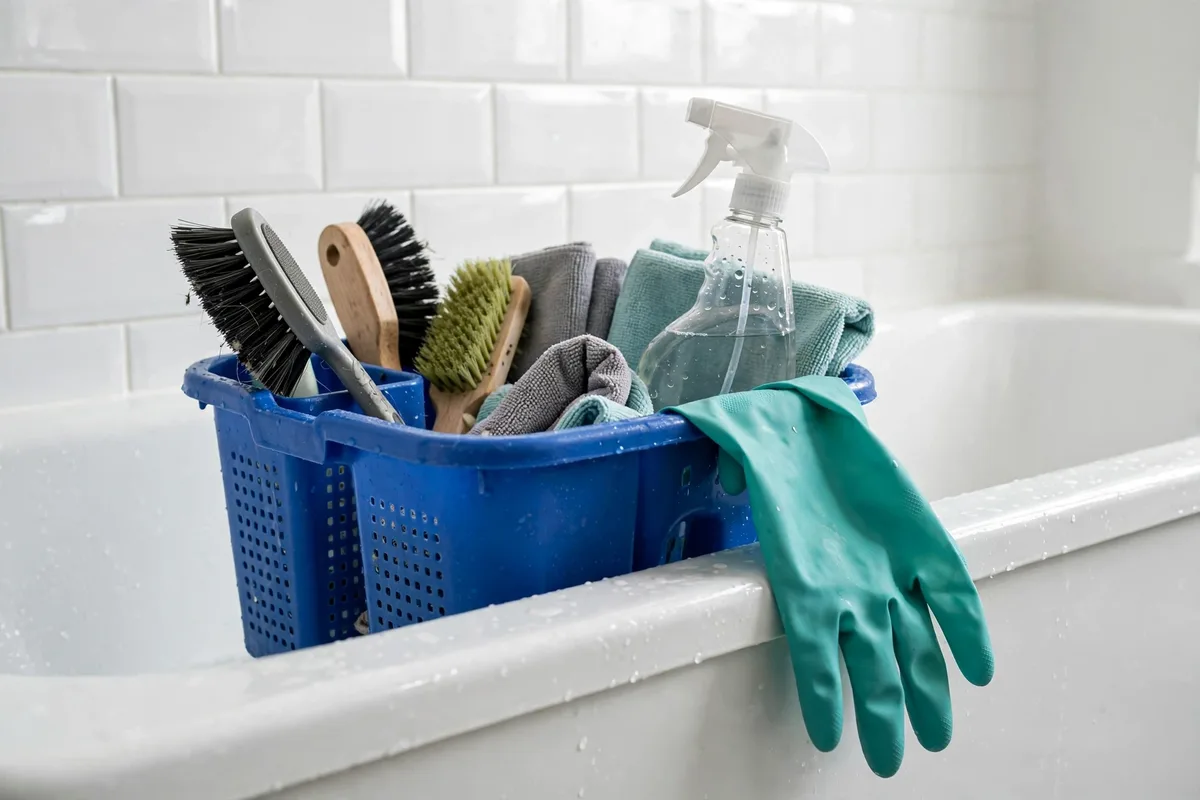
Cleaning mold from bathroom grout is essential for maintaining a healthy home environment. Mold can lead to serious health issues and damage to your tiles if not addressed promptly. This guide will provide you with effective methods and tips specifically for Newark residents to clean mold from bathroom grout without damaging your tiles.
How to Clean Mold From Bathroom Grout is a process that involves using safe cleaning methods to remove mold while preserving the integrity of your bathroom tiles. Mold thrives in damp areas, making bathrooms particularly susceptible. Understanding how to properly clean grout can save you time and money in the long run.
| Solution | How it works | Note |
|---|---|---|
| Hydrogen peroxide | Natural disinfectant that kills mold spores | Works on grout and tile |
| Vinegar | Eco friendly option that kills most types of mold | Use as a spray on grout lines |
| Commercial mold removers | Products made for mold removal | Check the label for safety and tile compatibility |
Why Cleaning Mold from Grout is Important
Cleaning mold from grout is important for several reasons. First, it prevents health issues, as mold can trigger allergies and respiratory problems. Second, mold can damage the grout and tiles, leading to costly repairs or replacements. In Newark, where humidity levels can rise, especially in summer, regular cleaning is necessary to keep your bathroom mold-free.
How to Clean Mold From Bathroom Grout
To effectively clean mold from bathroom grout, follow these steps:
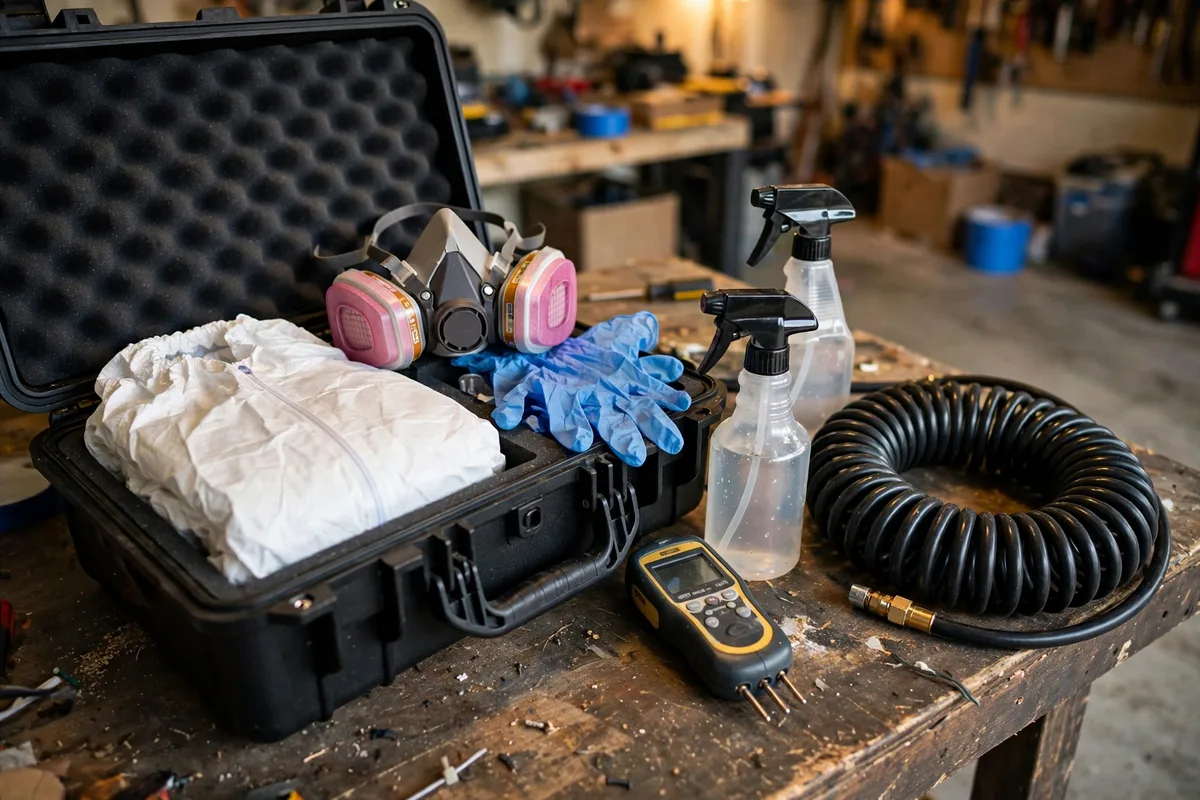
- Gather Your Supplies: You will need a stiff brush, a spray bottle, and a cleaning solution. Common solutions include vinegar, baking soda, or commercial mold removers.
- Prepare the Area: Ensure the bathroom is well-ventilated. Open windows and doors to allow fresh air to circulate.
- Apply the Cleaning Solution: Spray your chosen solution generously on the affected grout areas. Allow it to sit for at least 10-15 minutes to penetrate the mold.
- Scrub the Grout: Using a stiff brush, scrub the grout lines vigorously. This will help lift the mold from the surface.
- Rinse Thoroughly: After scrubbing, rinse the area with warm water. Ensure all cleaning solution is washed away.
- Dry the Area: Use a towel to dry the area completely, preventing any moisture that could lead to further mold growth.
For those in Newark, these steps can be particularly effective given the local climate conditions that encourage mold growth.
Best Products for Mold Removal from Bathroom Tiles
When looking for the best products for mold removal from bathroom tiles in Newark, consider these options:
- Hydrogen Peroxide: A natural disinfectant that can effectively kill mold spores.
- Vinegar: An eco-friendly option that can kill most types of mold.
- Commercial Mold Removers: Products specifically designed for mold removal can be effective, but always check for safety and compatibility with your tiles.
Always read the labels and follow the manufacturer's instructions for the best results. Homeowners often ask about Bathroom Mold Removal Newark NJ for targeted solutions.
DIY Mold Cleaning Solutions for Bathrooms
Creating DIY mold cleaning solutions can be simple and safe. Here are a few recipes:
- Baking Soda Paste: Mix baking soda with water to form a paste. Apply it to the grout, let it sit, then scrub and rinse.
- Vinegar and Water Solution: Combine equal parts vinegar and water in a spray bottle. Spray on the grout, let it sit, scrub, and rinse.
- Tea Tree Oil Solution: Mix one teaspoon of tea tree oil with one cup of water. Spray on the moldy areas and let it dry without rinsing.
These DIY solutions are effective and safe for regular use in Newark's bathrooms, where moisture can accumulate quickly.
Common Mistakes When Cleaning Mold
Many homeowners make common mistakes when cleaning mold from grout. Here are a few to avoid:
- Using Bleach: While bleach can kill mold, it often doesn't penetrate grout effectively and can lead to further mold growth.
- Not Scrubbing Enough: Simply spraying a solution without scrubbing won't remove the mold. Physical agitation is necessary.
- Ignoring Prevention: After cleaning, neglecting to implement moisture control measures will lead to recurring mold issues.
For effective results, consider professional Mold Inspection & Testing Newark NJ services if mold persists.
When to Call a Professional
If mold persists despite your cleaning efforts, it may be time to call a professional. Elite Mold Experts can provide specialized services tailored to your needs. Professionals can assess the extent of the mold problem and recommend effective remediation strategies.
Get help with Mold Remediation in Newark
If you're struggling with persistent mold issues, don't hesitate to seek professional help. Contact us at Elite Mold Experts for effective solutions tailored to your needs.
Call us today at (973) 400-5618 for expert mold remediation services in Newark.
Clifton, Livingston, Verona, and Millburn homeowners can see the local version of this story on their city pages.