Up the hill, on schedule
Helpful updates, and arrival timing you can plan around.
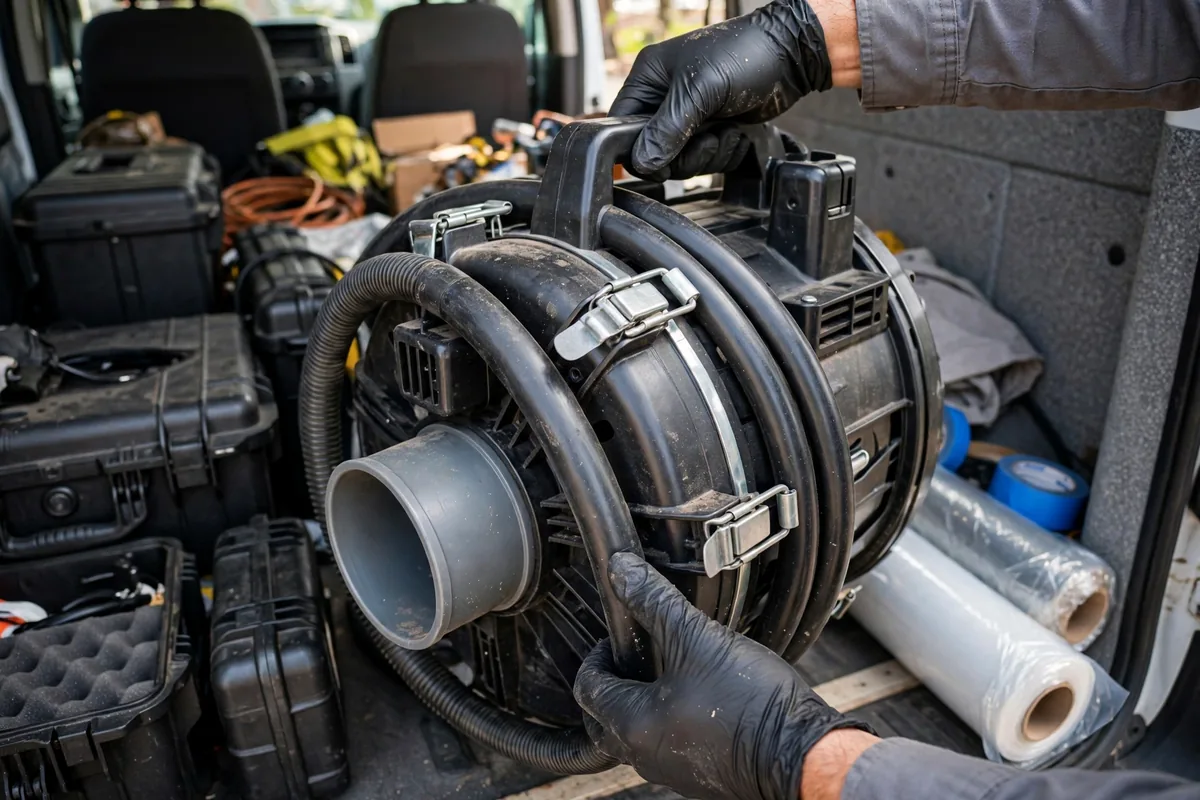
West Orange sits on the slope of South Mountain, which means great views, and water running downhill toward foundations every time it rains. Ridge homes shed stormwater while lower pockets collect it, pressing runoff through foundation walls. From Llewellyn Park Victorians to mid-century splits, Elite Mold Experts traces the water source, remediates the mold it brought, and verifies.
Helpful updates, and arrival timing you can plan around.
Read the approach and the plan first, then make your call.
Stocked vehicles, and a tidy space when we leave.
People from the neighborhood, serving the neighborhood, and following through.
| Property type | Usual mold driver |
|---|---|
| Garden apartment | Plumbing or ventilation issue |
| Hillside estate | Drainage issue |
West Orange is built on a slope, and that single fact drives most of the mold calls in town. Homes perched on the ridges shed stormwater downhill, while properties in the lower pockets collect it. One side of town battles runoff pressing through foundation walls; the other fights slow accumulation in basements and crawl spaces that never quite dry out.
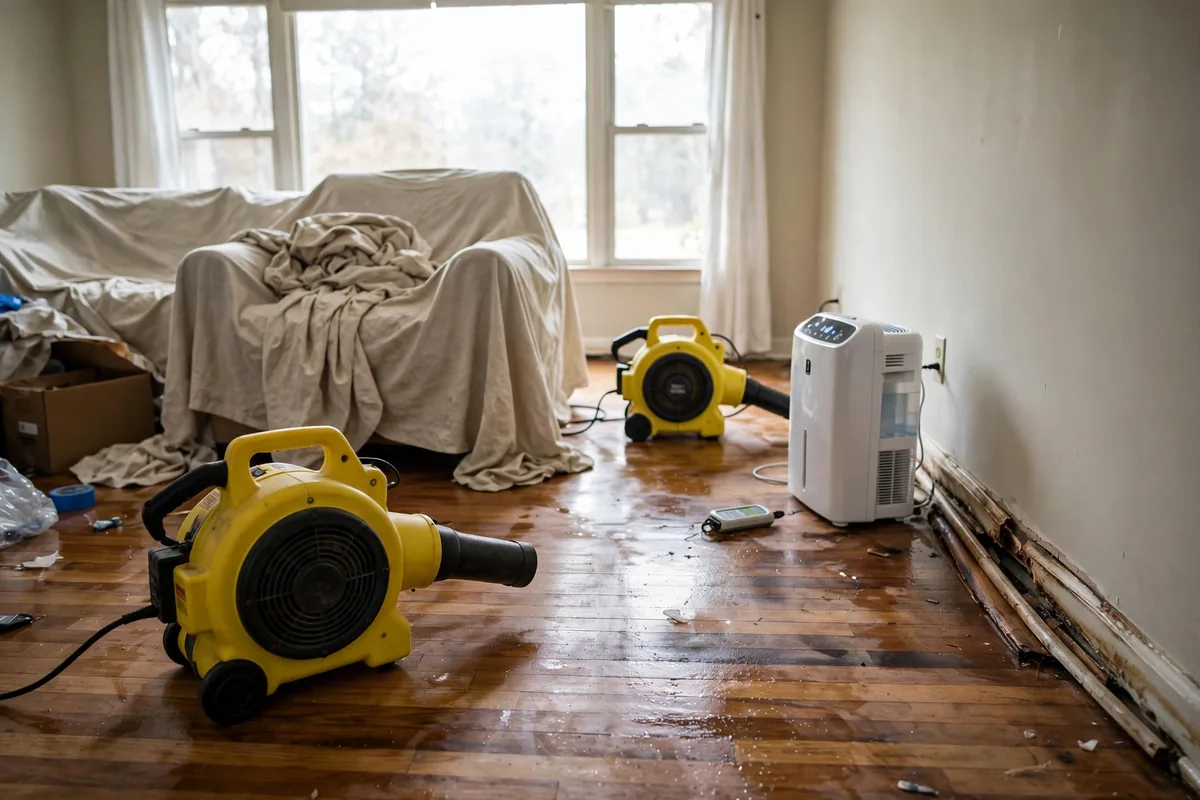
West Orange's housing runs the full range, from apartments to split-levels to large hillside estates, and no two jobs look alike. These are the services we bring to every one of them.
Stone foundations and aging plaster let black mold hide behind West Orange walls for years. We isolate the area, remove the growth under containment, and deal with the moisture source so it stays away.
View service →02Apartment in the valley or hillside colonial, every inspection starts the same way: moisture mapping and thermal imaging that find water before it grows into a colony.
View service →03Musty basements and stuffy attics rank among the most common complaints here. Air sampling shows whether what you are breathing is a nuisance or a real problem.
View service →04After remediation, clearance testing confirms the job is done. The documentation works for a buyer, a landlord, or an insurance adjuster.
View service →05After heavy rain, valley-side homes collect groundwater around the foundation. We handle the mold and recommend drainage fixes that keep the basement dry.
View service →06Wind-driven rain works through aging roofs on hillside homes, and their attics bake in summer humidity. We remove the growth and fix the airflow behind it.
View service →07Low crawl spaces trap damp air and hold it. We clean, dry, and seal them against the chronic moisture that troubles homes on both slopes of the hill.
View service →08Without exterior ventilation, a bathroom stays humid long after the shower ends. We remove the recurring growth and recommend practical fixes that hold.
View service →09Ducts that run through damp basements or hot attics spread mold through the whole house. We clean and treat the system end to end.
View service →Every job starts the same way: a conversation about what you've noticed, then a site visit. We map moisture, identify the source, and lay out a plan before anything is opened up. The work itself follows strict guidelines: containment first, removal second, drying and verification last. Scheduling is flexible, and we prioritize urgent calls.
We trace where the water is coming from, hillside runoff, valley seepage, or an aging plumbing line, because removing mold without fixing the source guarantees a callback.
Work areas are sealed under negative pressure so spores don't ride the HVAC into clean rooms. Your home stays livable while we work.
Materials are dried to measured targets, not guesswork, and clearance testing confirms the space is ready before containment comes down.
Walk enough West Orange properties and the same culprits show up again and again. These are the four we remediate most often.
Rain shed from higher ground presses against downhill foundations. Cracks and porous stone let it in, and basements stay damp for weeks after a storm.
Lower-elevation properties accumulate groundwater and sit in the path of everyone else's runoff. Without drainage, the soil around the foundation stays saturated.
Homes backing onto Eagle Rock or South Mountain Reservation sit in perpetual shade. Tree cover keeps siding, decks, and crawl spaces damp long after the rain stops.
The Thomas Edison National Historical Park anchors a neighborhood of older homes with stone foundations and limited ventilation, beautiful houses and a haven for hidden moisture.
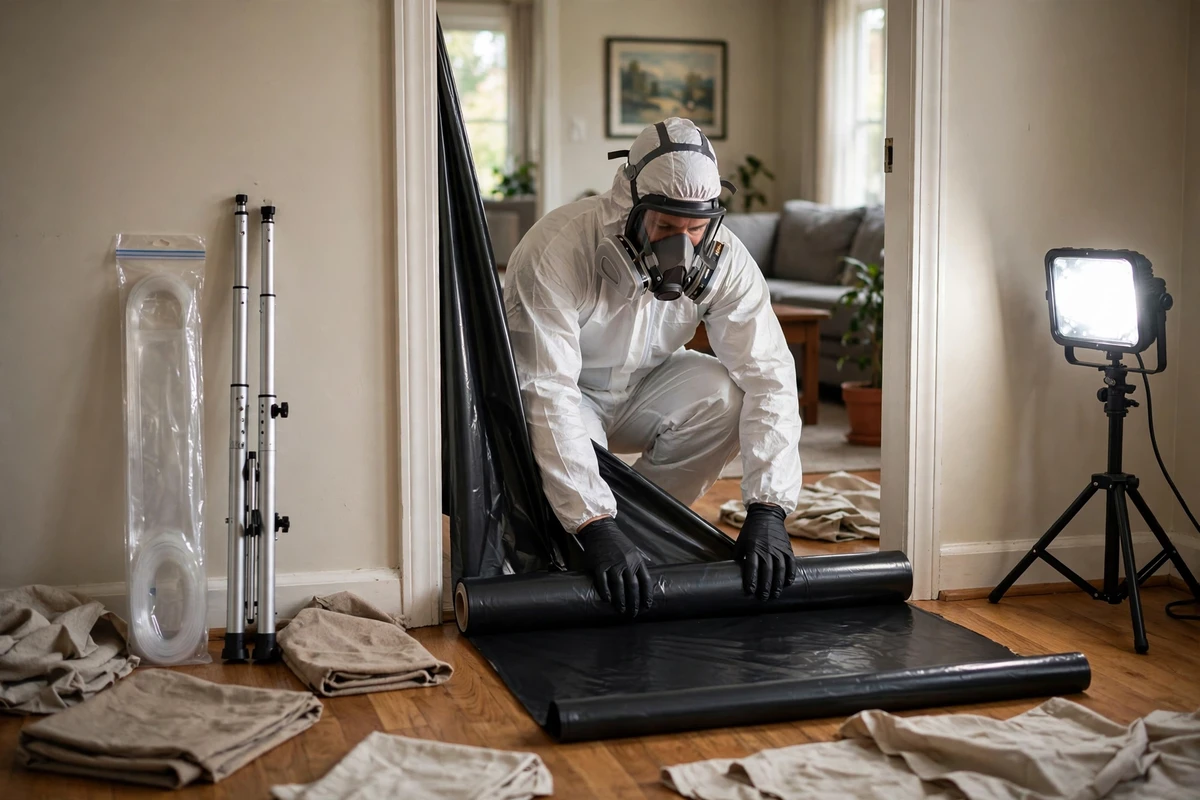
West Orange is built on a slope, and everything about mold here follows from that. Water runs downhill, it's that simple, and that consequential. Homes on the ridges shed stormwater toward the valley; homes at the bottom receive it. Add wooded edges along Eagle Rock and South Mountain Reservations that hold moisture in the air, and you get a township where drainage, not just humidity, is the real story.
Properties near the top of the slope push water downhill fast. If grading tilts toward the house instead of away from it, the foundation takes the hit every storm.
Lower homes inherit everyone else's water. Sump pumps and interior drainage aren't luxuries here; they're the difference between a dry basement and a chronic one.
Eagle Rock and South Mountain Reservations are West Orange's backyard, and a source of constant ambient moisture. Homes along the wooded borders stay damper, longer.
Around Llewellyn Park and the Thomas Edison National Historical Park, older homes sit on stone and mortar that wick water. Modern waterproofing meets 19th-century construction, carefully.
A garden apartment's mold problem is usually a plumbing or ventilation issue. A hillside estate's is usually a drainage issue. Same town, completely different playbooks.
Mature trees are part of West Orange's character, and they keep soil and siding damp. Gutters clogged with leaves make it worse, a small maintenance item with outsized mold consequences.
Most drainage failures we see are fixable: downspouts dumping at the foundation, soil pitched the wrong way, clogged gutters. We flag these on every inspection, because remediation without drainage is a loop.

From Llewellyn Park and Pleasantdale to Gregory and Hutton Park, no part of town sits outside our route. Our team knows the character of each area, from hillside stone foundations to valley lots that collect runoff, and shapes the work to match.
This busy area is known for its lively community and older buildings, often requiring mold inspections and remediation. Our team serves West Orange Town Center.
West Orange Heights features homes with basements prone to moisture issues, making mold removal essential. Our team covers West Orange Heights.
This neighborhood is surrounded by greenery, contributing to humidity levels that can lead to mold growth. Our team serves West Orange Park.
Homes near Eagle Rock Reservation often face moisture challenges, necessitating regular mold inspections. Our team serves Eagle Rock Reservation.
Every job teaches us something about this town. Here are three recent ones, described as patterns, because the addresses don't matter and the lessons do.
Storm runoff was finding its way through a foundation wall, feeding mold behind finished drywall. We opened the wall, removed the affected materials under containment, dried the structure, and gave the homeowner a clear explanation of the drainage fix needed outside.
Standing dampness in a low crawl space had spread mold across the joists. We cleaned and dried the space, then sealed it against the moisture that had been wicking up from saturated soil.
An older home near the Edison district had attic mold from years of poor ventilation and a slow roof leak. We remediated the growth and laid out ventilation improvements to keep the space dry.
West Orange's calendar of mold risk looks different from a flat town's. Here is how the year breaks down, and what to do about it.
West Orange homes deal with sticky summers and rainfall in all seasons, and the moisture pattern shifts but never stops. Summer brings humidity, winter brings condensation, and basements and bathrooms carry damp through both. Statewide climate data for New Jersey from the National Oceanic and Atmospheric Administration rounds out the local climate picture.
Snowmelt and spring storms saturate hillside soil, and runoff finds every foundation crack.
Humid air settles into shaded, wooded lots and poorly ventilated attics.
Leaf-clogged gutters overflow and dump water at the foundation, the single most preventable mold cause we see.
Freeze-thaw cycles open tiny foundation cracks wider, and condensation forms on cold stone walls.
Elite Mold Experts also extends its Mold Remediation services to nearby cities, ensuring complete coverage across the region.
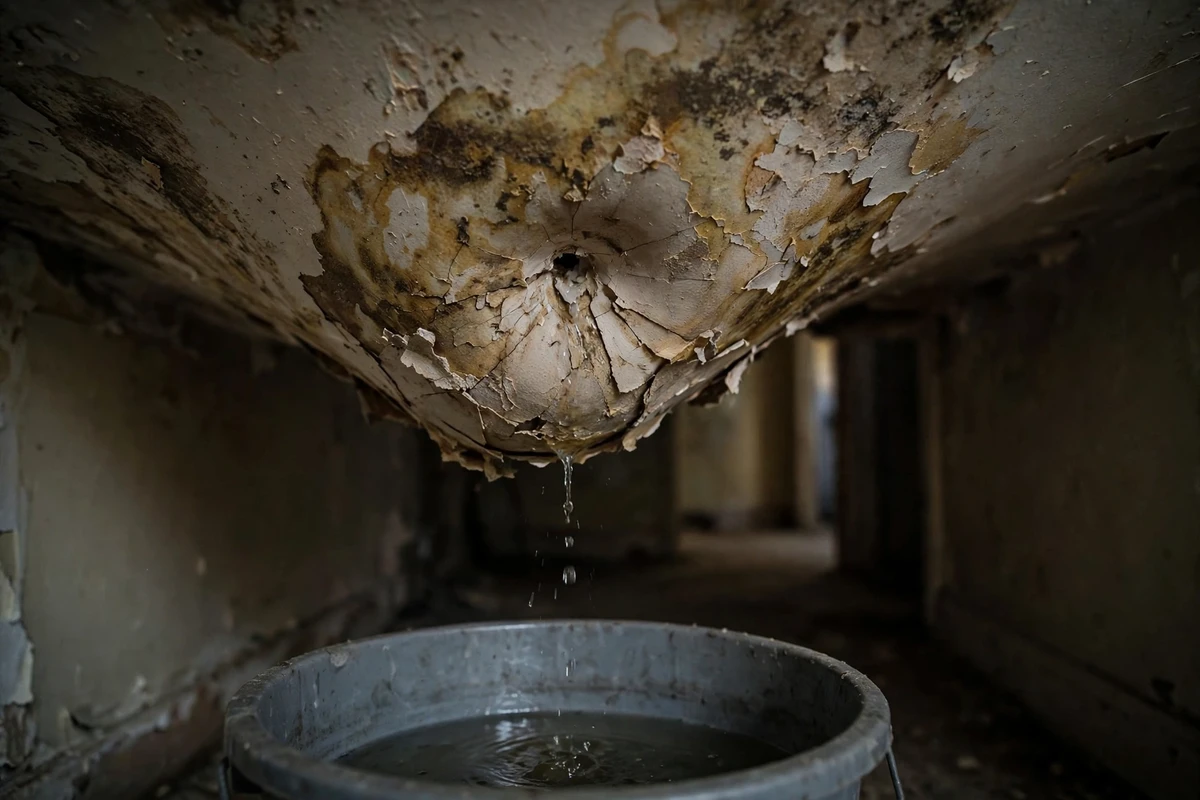
Close-set streets and century-old buildings shape mold work in Orange, and Elite Mold Experts plans for that density.
Local coverage and details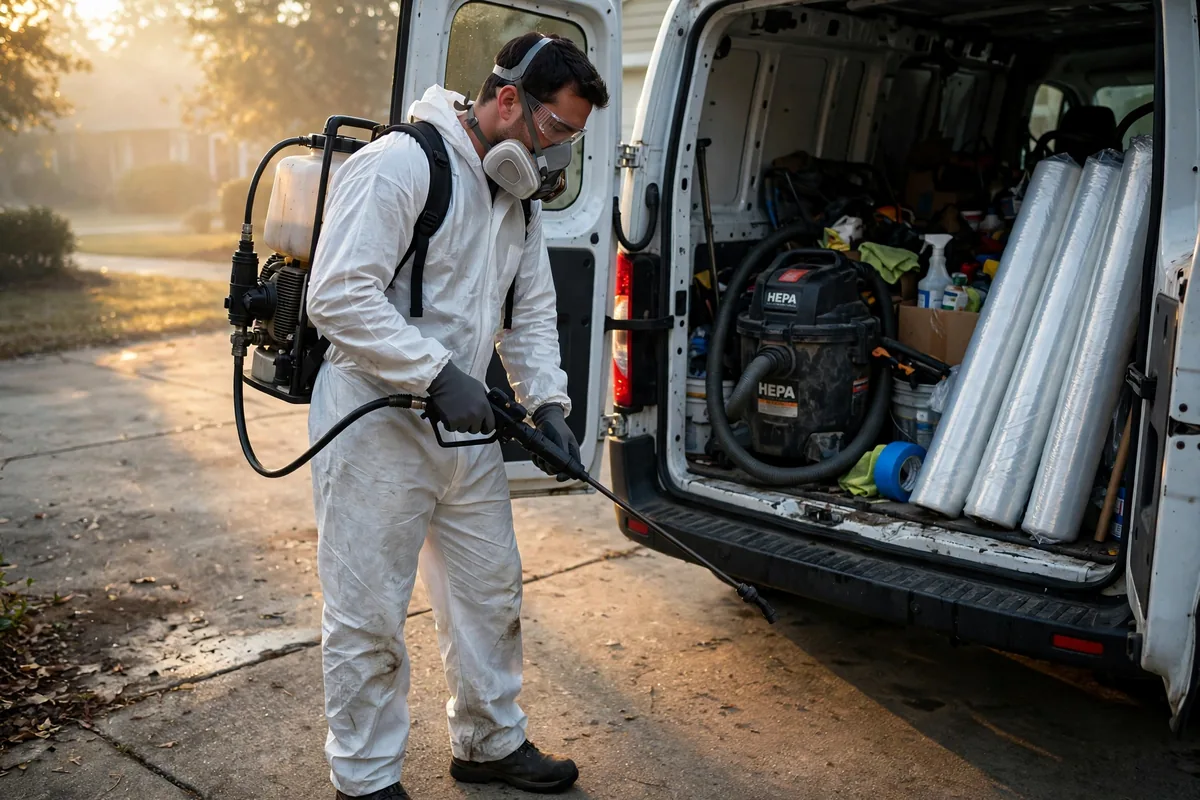
Montclair's Victorians, 1920s colonials, and carriage houses need mold remediation matched to century-old construction, and Elite Mold Experts provides it.
Local coverage and details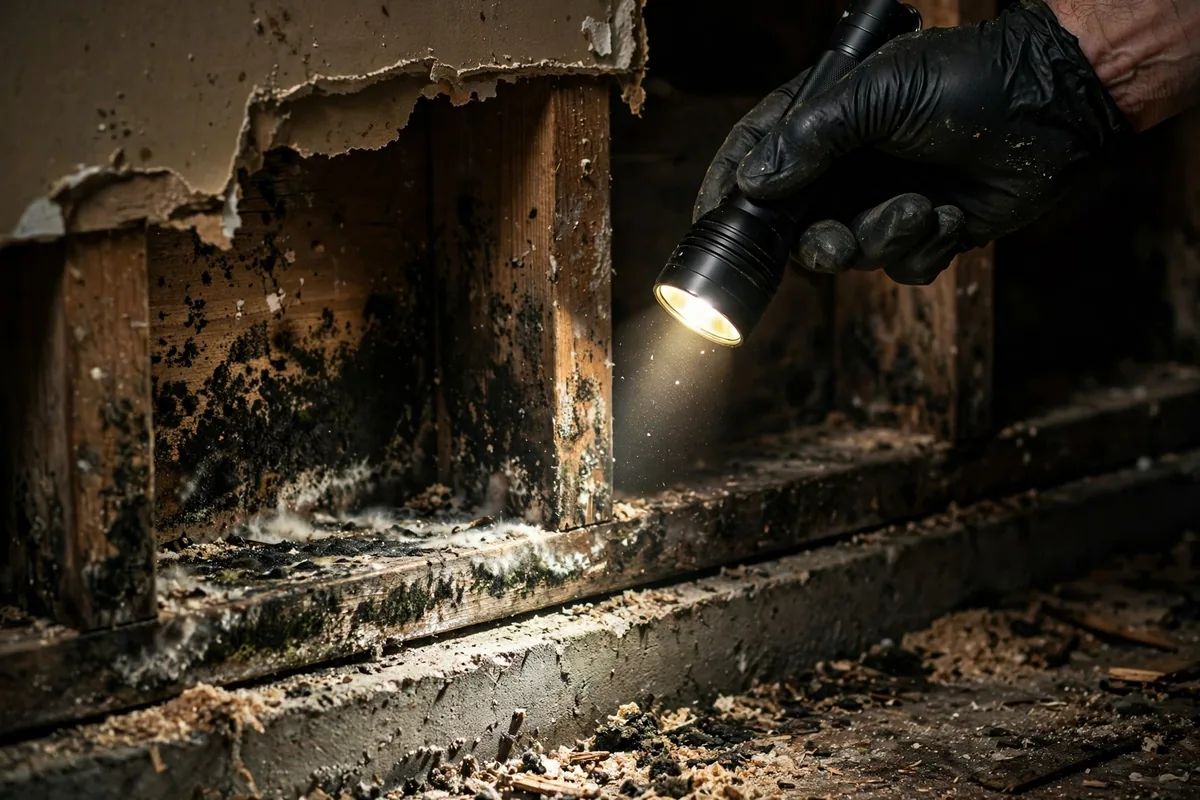
Verona mold grows from its setting, and Elite Mold Experts remediates homes shaped by Verona Park's lake and Hilltop Reservation's slopes.
Local coverage and details
Livingston mold remediation calls for unusual care, and Elite Mold Experts works around finished basements, custom built-ins, and hardwood floors.
Local coverage and details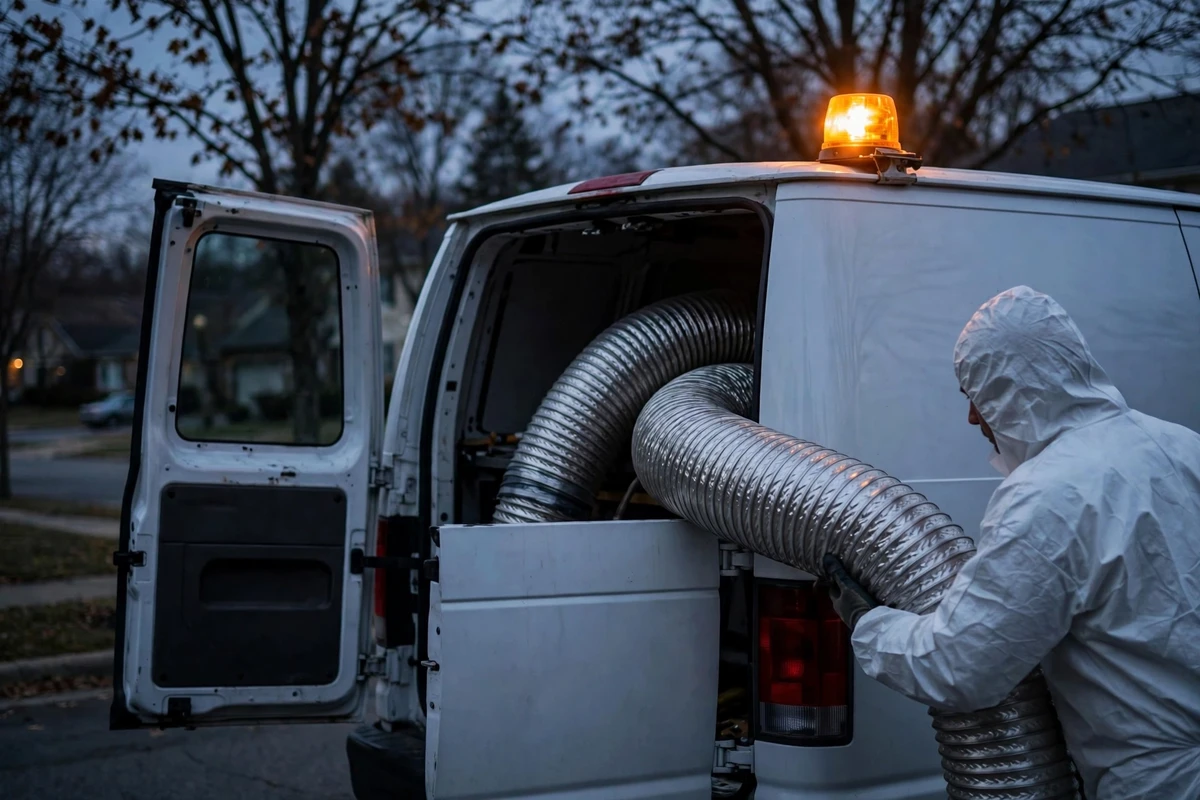
Mold in Millburn grows, and Elite Mold Experts finds it in stone-walled basements in Short Hills and along attic sheathing after August weather.
Local coverage and details
South Orange pairs village charm with century-old housing, and Elite Mold Experts remediates moisture that old houses hold.
Local coverage and details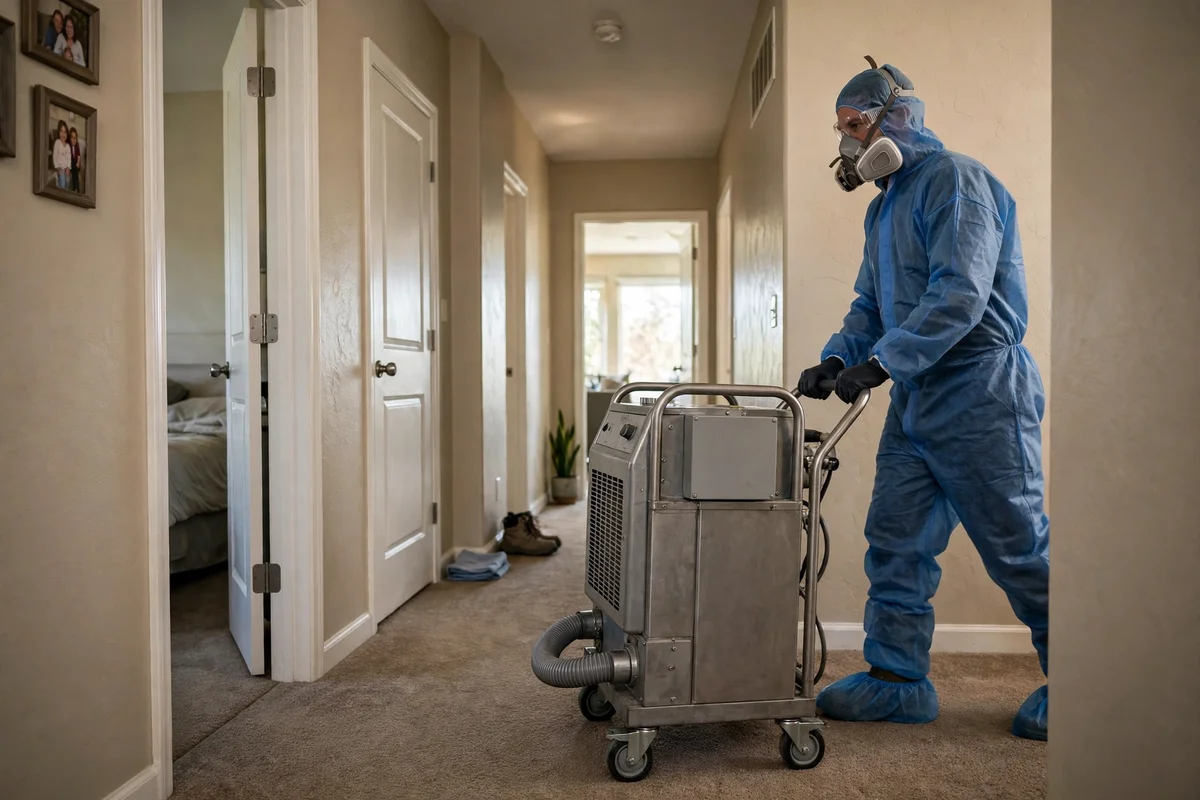
Yes, Elite Mold Experts remediates mold in Bayonne, where a narrow peninsula with water on three sides keeps air humid and the water table high.
Local coverage and details
Belleville's pre-war homes carry basements, plaster walls, and aging pipes that give mold steady openings, and Elite Mold Experts remediates them.
Local coverage and detailsZIP codes we serve in West Orange: 07052.
ZIP codes we serve in West Orange: 07052
Water runs downhill, your foundation sits in the path of everything above it. If the grading pitches toward the house or the downspouts dump at the foundation, every storm pushes water against your walls. We map the drainage path and remediate the mold, then tell you exactly what to fix outside so it stops recurring.
No. Valley-side homes collect groundwater and their neighbors’ runoff, but interior drainage, a working sump pump, and sealed entry points keep basements dry. Remediation handles the existing mold; the drainage work keeps it from coming back.
Yes. Older homes around Llewellyn Park often have stone foundations, plaster walls, and limited ventilation, which call for a gentler approach. We contain carefully, preserve original materials where possible, and account for the way these houses breathe differently than modern construction.
Wooded lots near Eagle Rock or South Mountain Reservation stay damper because tree cover blocks sun and airflow. That doesn’t make mold inevitable, it means gutters, grading, and ventilation matter more for you than for most. We build that into the plan.
Completely. Apartment mold is usually driven by plumbing leaks or poor ventilation, a building-systems problem. Hillside homes are usually driven by drainage and runoff, a water-management problem. The techniques overlap, but finding the source requires different thinking, and we do both.
No answer here for West Orange? Our team covers inspection, moisture causes, and the steps that follow.
Ask the local team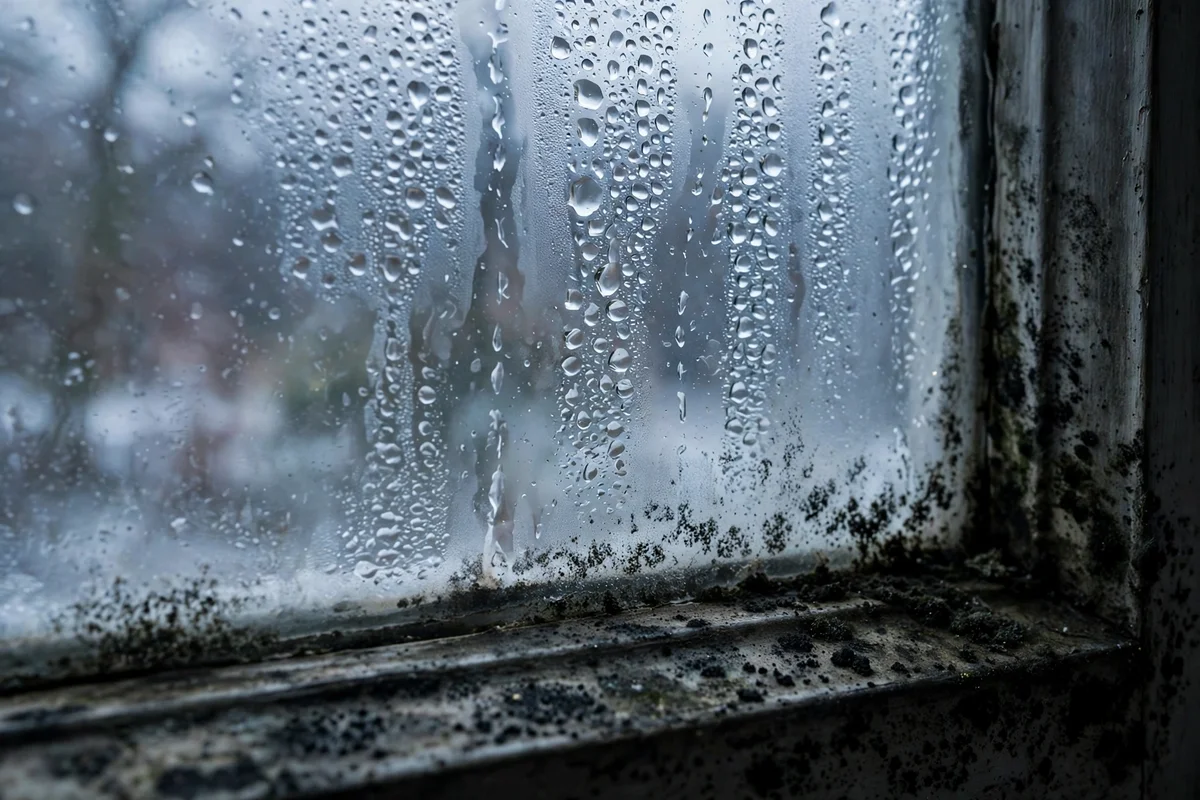
Why does mold spike every winter in New Jersey? Learn how condensation forms, the 5 spots to check, and…
Read article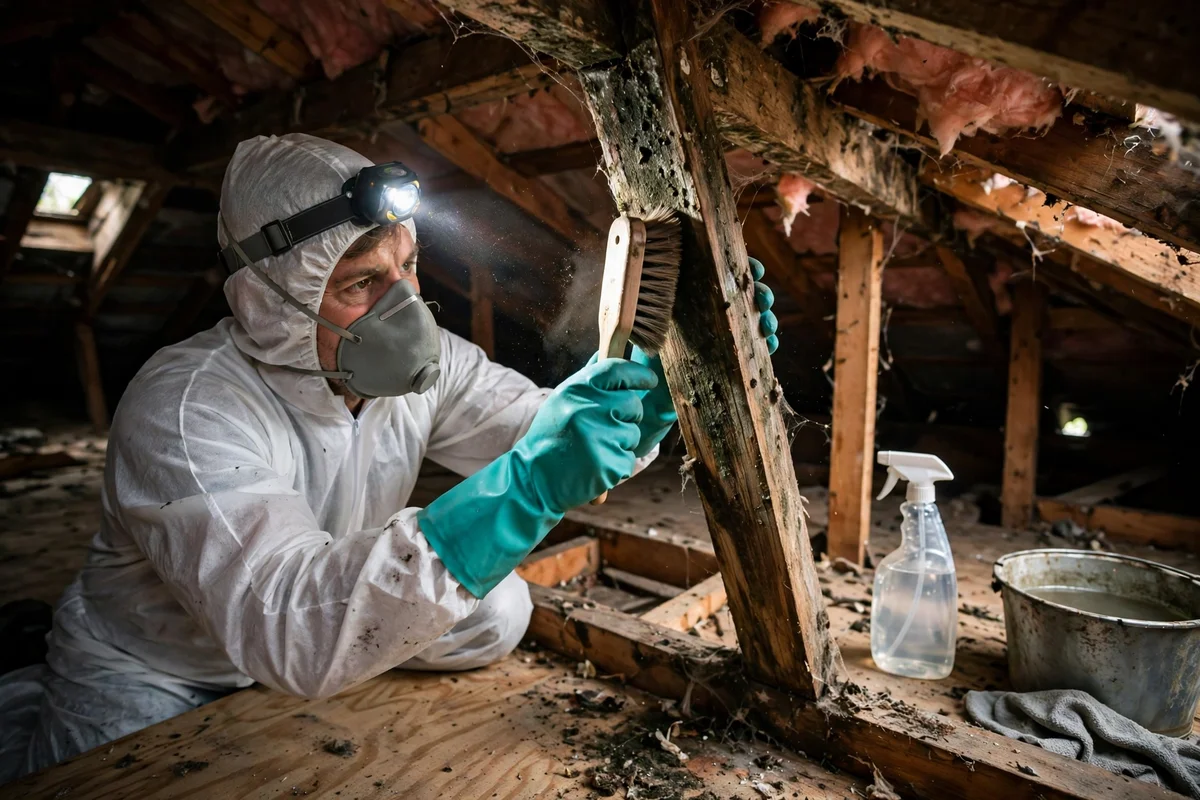
Discover the top causes of hidden attic mold in Newark homes and learn how to prevent it effectively.
Read article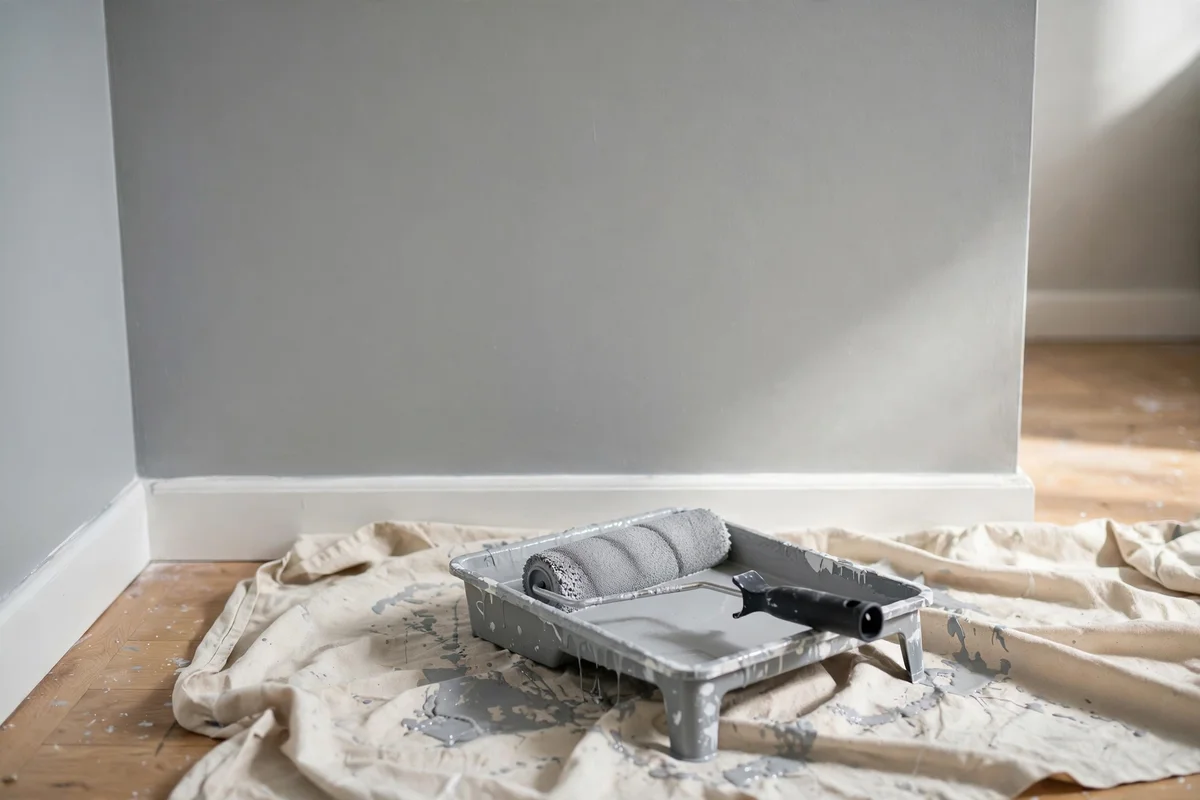
Thinking of painting over mold? Learn what mold-resistant paint and drywall actually do, where they help,…
Read article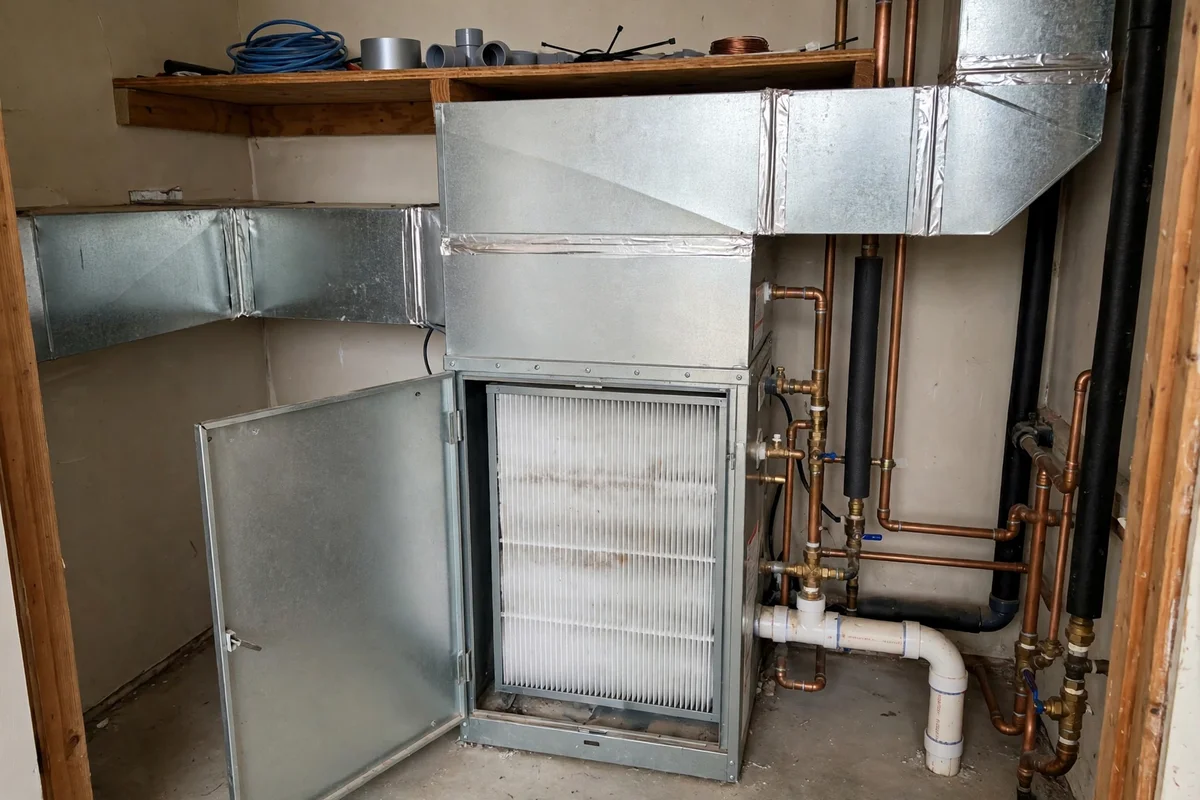
Discover what HVAC air duct cleaning can and cannot do about black mold in Newark. Understand the process…
Read article
A small spot does not stay small long in New Jersey humidity. Call now and we will line up your inspection.
Call (973) 400-5618